Komondor Match Quiz
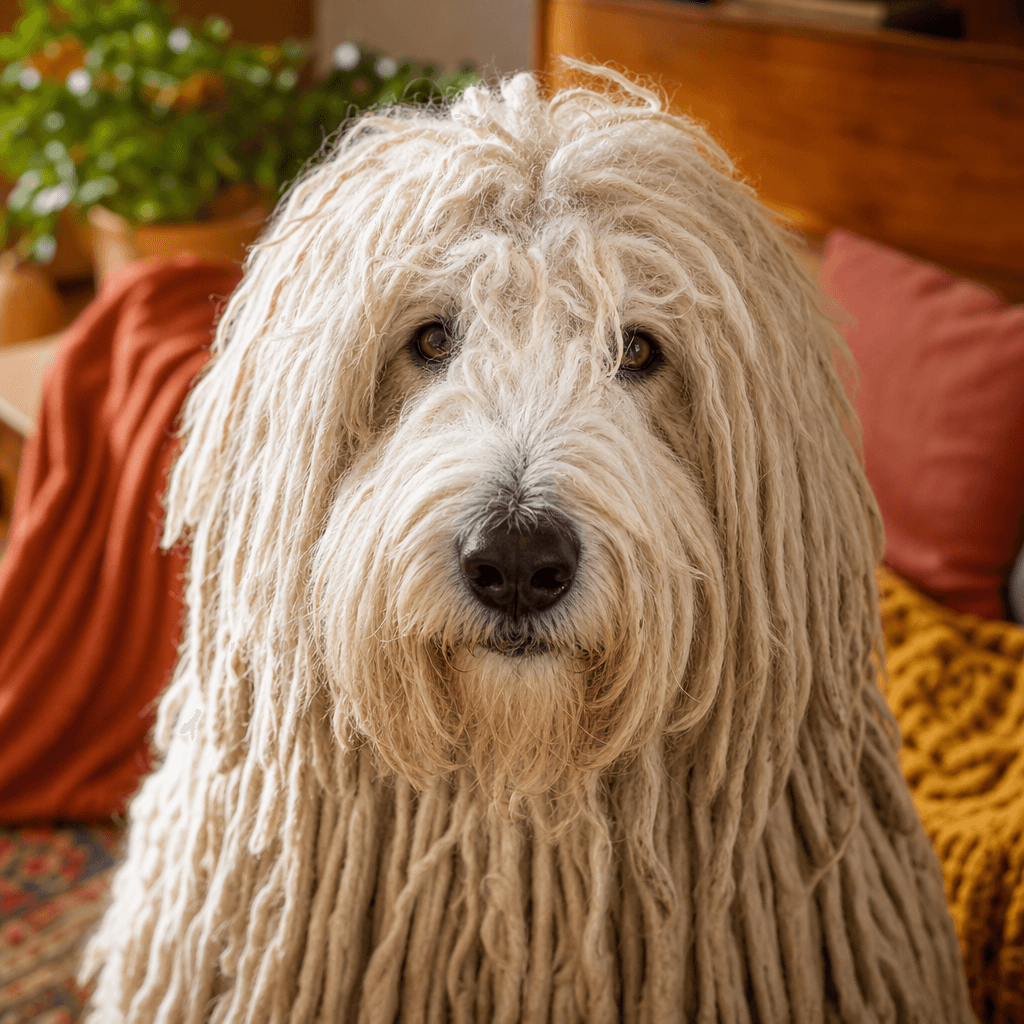
Is a Komondor right for you?
14 quick questions
Question 1of 14
Big picture: what do you want this dog to be?
The ideal answer: A steady property guardian who’s gentle with family
That’s the Komondor’s wheelhouse. You’ll be rewarded with a calm, serious dog that patrols the yard, settles quietly indoors, and becomes sweetly devoted to its people. Give clear rules, secure boundaries, and early socialization so “guardian” never slips into “liability.”
Question 2of 14
Where would a Komondor spend most days?
The ideal answer: Rural acreage or farm/ranch, securely fenced
Perfect. A Komondor understands acreage and thrives when it has a perimeter to patrol and a job to do—whether that’s livestock, a workshop, or simply your fence line. Keep gates locked, fencing stout, and night bark management in place and you’ll see the breed at its best.
Question 3of 14
What’s your containment plan?
The ideal answer: Solid 6 ft (or higher) fencing with secure gates
Ideal. You’re matching the dog’s instincts with responsible boundaries, which prevents roaming, confrontations at the sidewalk, and legal headaches. Add signage (“Dog on Premises”) and teach a rock-solid boundary routine, and you’re set.
Question 4of 14
How do you picture daily exercise?
The ideal answer: Two purposeful walks/patrols plus short training or chores
Bullseye. A guardian brain loves routine: perimeter walks, place work while you do yard chores, and a few problem-solving games. That mix meets needs without pounding joints or overheating the coat.
Question 5of 14
Be honest: how will you handle coat care?
The ideal answer: I’ll learn to separate cords and plan bath/dry days
Great—your choice fits the breed. You’ll separate cords weekly, keep the skin ventilated, and commit to marathon bath days with towels, fans, and patience. Done right, the coat protects the dog and surprisingly controls shedding to the cords themselves.
Question 6of 14
How busy is your front door?
The ideal answer: Quiet home, few visitors; we can do slow, structured hellos
Perfect. You’ll set up leash-on greetings, reward calm check-ins, and give guests instructions so the dog can observe and relax. With repetition, a Komondor learns that your “okay” means stand down.
Question 7of 14
How much guardian-style barking can your life handle?
The ideal answer: We’re rural or have tolerant neighbors; night noise is fine
That’s aligned with the breed. You’ll still teach a quiet cue and bring the dog in at night, but an occasional perimeter announcement won’t cause drama. Pair management with exercise and a job to keep the volume purposeful, not bored.
Question 8of 14
How do you handle a smart, independent dog?
The ideal answer: Calm, consistent, reward-based, with clear boundaries
Excellent match. Short sessions, meaningful rewards, and crystal-clear rules (doorways, guests, yard gates) bring out a Komondor’s cooperation. You’ll get polite, reliable behavior without erasing the guardian confidence you actually want.
Question 9of 14
Your plan for the critical first year?
The ideal answer: Weekly, structured outings with neutral, calm exposures
Perfect. Think hardware stores at off-hours, quiet park benches, and short sessions where your pup watches the world and earns rewards for relaxed choices. That “seen it before” file is what prevents teenage bravado from turning into adult reactivity.
Question 10of 14
What’s your vision for dog-to-dog time?
The ideal answer: Controlled, known-dog playdates or none at all
That’s the safe, breed-savvy route. Choose well-matched, respectful dog friends and skip chaotic public parks. Off-leash only in secure areas with a reliable recall—this dog’s job brain outranks your whistle around unknown dogs.
Question 11of 14
Who will share the space with the dog?
The ideal answer: Adults and/or dog-savvy kids 8+
Great match. Teach slow movement, no hugging the head, and proper leash handling for a very big dog. In return you’ll see calm loyalty and a natural preference to be near “their” people.
Question 12of 14
Your typical climate is…
The ideal answer: Cool to cold most of the year
Ideal. The coat shines in cold weather; you’ll still dry cords thoroughly after wet play to protect the skin. Winter exercise is often when this breed is most animated and comfortable.
Question 13of 14
An unexpected $1,200–$2,000 vet bill or $300/month in big-dog costs would be…
The ideal answer: Covered—savings and/or a solid insurance plan
You’re set up for the realities of a giant guardian. Insurance taken when the dog is young helps with ortho issues, eye problems, and emergencies; savings handle the rest. Add a “Komondor coat” line item—grooming days aren’t cheap in time or money.
Question 14of 14
On a typical weekday, the dog would be alone…
The ideal answer: Rarely—someone’s home most of the day
That’s ideal. You’ll get a calm housemate that snoozes near you by default, then clocks in for evening perimeter checks. The bond you build pays dividends when you ask for quiet during guest arrivals and night hours.
Your result
Answer the 14 questions above and your match score appears here.