Keeshond Match Quiz
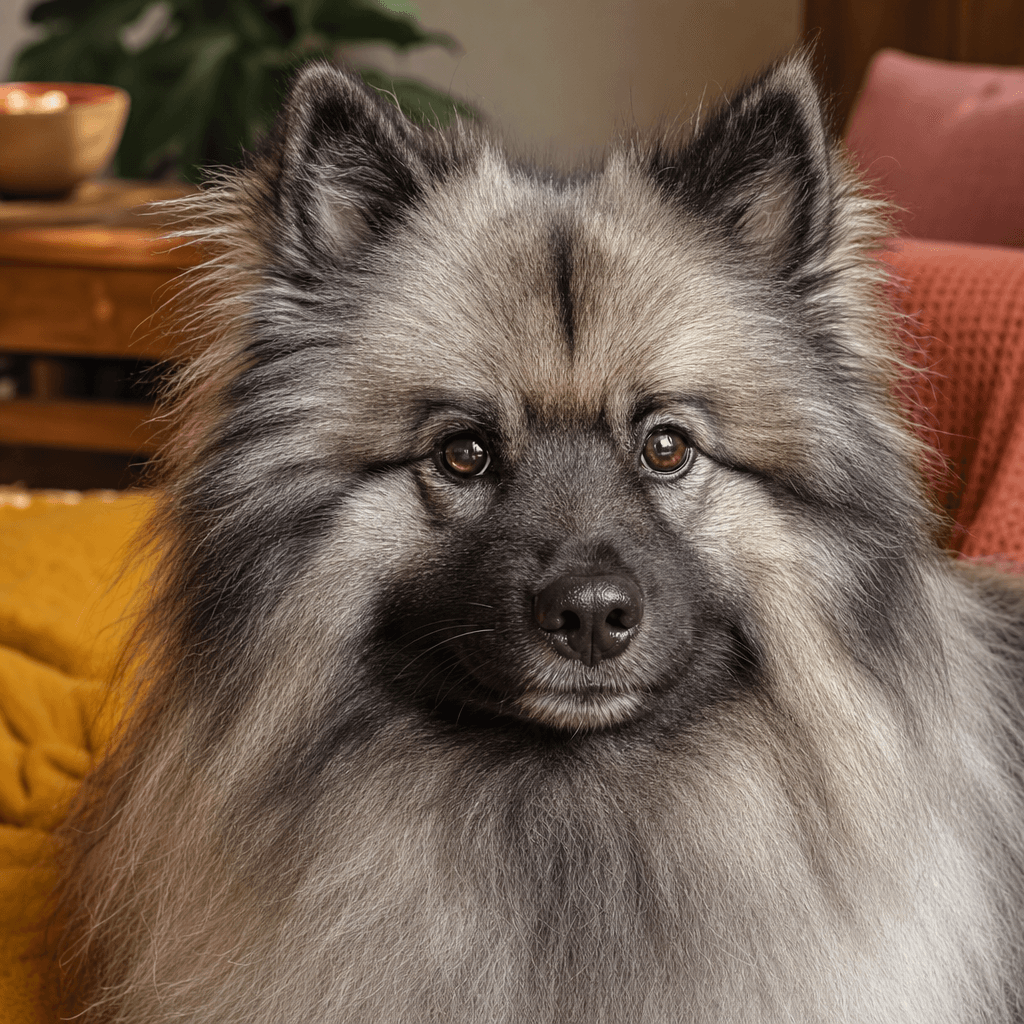
Is a Keeshond right for you?
14 quick questions
Question 1of 14
How active are you on a typical day?
The ideal answer: A couple of brisk walks and some play
Perfect match. Two good walks, some fetch or tug, and ten minutes of training is exactly a Keeshond’s sweet spot. You’ll see the best version of the breed: upbeat, affectionate, and relaxed at home because the needs box is ticked.
Question 2of 14
Where will your Keeshond live, and how noise-sensitive are the neighbors?
The ideal answer: Apartment with decent soundproofing and dog-friendly neighbors
Great — that setup pairs well with a Keeshond if you train a reliable “quiet” cue. Close blinds to cut window triggers, park a white-noise machine by the door, and reward calm when hall sounds happen. Many city Keeshond owners make it work exactly this way.
Question 3of 14
Brushing 2–3 times a week, with extra sessions during heavy sheds — are you in?
The ideal answer: Yes — I can commit to that
Perfect. With a pin brush, slicker, and metal comb, you’ll stay ahead of shedding and spot skin issues early. Bathe only when needed and dry to the skin after — a well-kept Keeshond coat is clean, plush, and surprisingly low-odor.
Question 4of 14
Dog hair on clothes and couch — how do you feel?
The ideal answer: I’ll embrace the fluff life
Love it. A lint roller by the door, a robot vacuum on a schedule, and a couch throw turn hair from headache to background. Most owners report that once the routines click, the glamour far outweighs the grooming.
Question 5of 14
Summers and winters where you live are…
The ideal answer: Cool to mild; AC is easy when needed
Ideal. You’ll enjoy long walks in brisk weather and keep summer outings to the cooler hours. The coat does its job, and you get to enjoy the plume tail without worrying about heat stress.
Question 6of 14
What training approach feels most like you?
The ideal answer: Positive, reward-based training — I enjoy it
That’s the sweet spot. Ten-minute sessions with treats and praise will show you how fast a Keeshond learns — and how eager it is to please. You’ll have a dog that offers behaviors and stays tuned to you.
Question 7of 14
Your feelings about a dog that announces visitors (and squirrels)?
The ideal answer: I’m fine with a chatty watchdog — I’ll teach “quiet”
Great attitude. Pair a doorbell mat with treat scatter for calm, reward silence after a single alert, and block window hotspots. You’ll keep the useful “someone’s here!” bark while dialing down the play-by-play.
Question 8of 14
On a normal weekday, your dog would be alone…
The ideal answer: Rarely — someone’s home most of the day
Perfect. Presence is this breed’s love language, and your setup delivers it. Expect a shadow in the best way: a dog that settles near you, checks in often, and thrives on routine.
Question 9of 14
Describe your household vibe.
The ideal answer: Adults only or kids 6+ who can be gentle
Ideal. With respectful handling and predictable routines, a Keeshond blossoms into a do-everything family companion. You’ll get the breed’s easygoing cuddle mode and playful side without preventable hiccups.
Question 10of 14
What’s the current (or planned) pet mix?
The ideal answer: We have dogs/cats and can do slow introductions
Great plan. Controlled meet-and-greets, scent swapping, and baby gates make for smooth transitions with this people-pleasing breed. Many Keeshonden end up as the glue of multi-pet households.
Question 11of 14
An unexpected $800–$1,200 bill (grooming gear, dental, or vet) would be…
The ideal answer: Covered — savings or pet insurance in place
Excellent. Enroll in insurance early to avoid pre-existing exclusions, and you’ll treat the rare big bill as a blip. That safety net lets you focus on training and fun instead of costs.
Question 12of 14
How will you handle outdoor freedom?
The ideal answer: Secure fence or long line — off‑leash only in safe areas
Smart and safe. You’ll give your dog room to zoom without gambling on wildlife or traffic. Reliability builds fastest when practice happens in secure spaces.
Question 13of 14
How often will you do training games or puzzles?
The ideal answer: Most days — 10–15 minutes
Fantastic. You’ll see faster learning, calmer behavior indoors, and a dog that checks in with you by default. Consider a class — many Keeshonden love agility or rally.
Question 14of 14
Which description sounds most like your ideal companion?
The ideal answer: A social family pal who sticks close and loves people
Bullseye. This is a breed that thrives on togetherness, greets guests like old friends, and still gives you a handy heads-up bark. You’ll get the sunny, Velcro shadow you’re picturing.
Your result
Answer the 14 questions above and your match score appears here.