Karelian Bear Dog Match Quiz
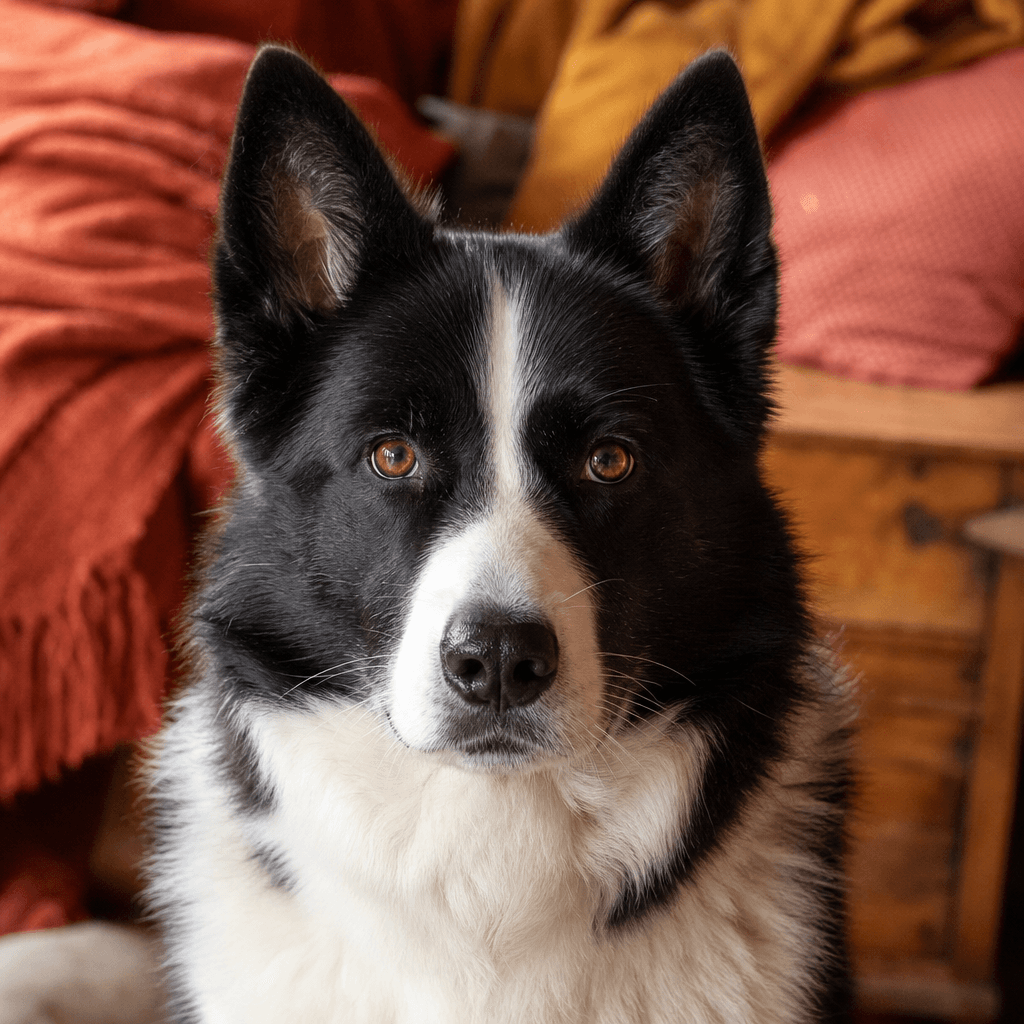
Is a Karelian Bear Dog right for you?
16 quick questions
Question 1of 16
How active are you most days?
The ideal answer: Daily runs/hikes plus structured work
Perfect — you’ve got the horsepower this dog expects. Pair those miles with nose work, tracking, canicross, or field time and you’ll see a focused, content partner at home. With your output, the edge comes off the breed’s intensity in all the best ways.
Question 2of 16
Where will this dog live?
The ideal answer: Rural or edge-of-town with a secure yard
That’s the sweet spot. Space for structured long-line work plus a secure yard lets you bleed off energy without constant commuting. Just remember: yard time is for decompression, not the whole exercise plan.
Question 3of 16
How secure is your setup?
The ideal answer: 6–8 ft solid fencing with dig guards; leash rules
Excellent — that’s the standard this breed deserves. Add locked gates and a long-line habit outside fences, and you drastically reduce the risk of wildlife chases and neighbor disputes. Management like this keeps instincts safe and legal.
Question 4of 16
Your background with intense, independent dogs?
The ideal answer: Handled hunting/working spitz or similar
Perfect — you already speak the language. You’ll set rules early, reinforce with things your dog truly values, and avoid power struggles that only harden a Karelian’s resolve. That calm, competent leadership is exactly what unlocks this breed.
Question 5of 16
What approach sounds most like you?
The ideal answer: Reward-based, long lines, accept imperfect recall
That’s the right frame. You’ll get solid functional behaviors and a workable recall in sane environments, and you won’t risk souring the dog. Management will do the heavy lifting when wildlife or chaos enters the chat.
Question 6of 16
Where do you picture real exercise happening?
The ideal answer: Fenced fields, long-lines, canicross/bikejor
Great plan. You’ll deliver speed, distance, and brain work without rolling the dice on wildlife, roads, or livestock. Dogs exercised this way come home tired and safe — the combo you’re after.
Question 7of 16
Which of these feels genuinely doable?
The ideal answer: Hunt or run real tracking/mantrailing weekly
That’s the bullseye. Regular field work channels the exact genetics this breed was built for, and you’ll see a calmer, happier dog the rest of the week. It also sharpens your handling — a satisfying partnership on both ends of the line.
Question 8of 16
Any small animals at home?
The ideal answer: No other pets
That’s the simplest path. Without small-animal temptations at home, you can focus on channeling drive productively and reinforcing calm around wildlife on walks. Management gets much easier.
Question 9of 16
What’s the dog-dog picture at home and out?
The ideal answer: Only dog, or opposite-sex well-matched companion
Smart choice. Opposite-sex pairings and clear household rules give you the best odds of harmony. You’ll still supervise play and advocate for your dog in crowded spaces.
Question 10of 16
Who’s in and out of your home?
The ideal answer: Adults or respectful kids 8+, predictable home
Ideal. Teach dog-safe handling, give the dog a quiet place to retreat, and coach guests to let the dog approach first. In this setup, Karelians relax into steady family life.
Question 11of 16
How much barking can you live with?
The ideal answer: Rural or tolerant neighbors; barking is fine
Great — you won’t be fighting the dog’s nature every day. You’ll still train an off-switch cue and manage window access, but you won’t sweat every woof. That breathing room reduces conflict.
Question 12of 16
Describe your climate and setup.
The ideal answer: Mostly cool/cold; lots of outdoor time
Perfect match. This coat was made for your weather, and you’ll enjoy longer, happier training days. Winter foot care and reflective gear will cover your main concerns.
Question 13of 16
Brushing and hair in the house — where do you stand?
The ideal answer: Weekly brushing; de-shed hard during blowouts
Perfect attitude. A slicker and an undercoat rake will keep mats and tumbleweeds in check, and you’ll spot burrs and scratches early. Bath only as needed to preserve the coat’s weatherproofing.
Question 14of 16
On a typical weekday, the dog would be alone…
The ideal answer: Rarely — someone’s around or a walker drops in
Great. Pair that with a serious morning workout and you’ll come home to a relaxed dog. Crate training and chew projects will make downtime easy mode.
Question 15of 16
An unexpected $1,000 vet bill would be…
The ideal answer: Covered — savings or insurance in place
Excellent. With field dogs, it’s not if but when you’ll need stitches, imaging, or a dental under anesthesia. A policy started young keeps premiums lower and sidesteps pre‑existing condition exclusions.
Question 16of 16
How often do you need an easy, go-anywhere dog?
The ideal answer: Mostly outdoor trips where the dog can work
Great fit. Trailheads, cabins, and field days play to this breed’s strengths. You’ll still mind leash laws and wildlife, but the environment supports your goals.
Your result
Answer the 16 questions above and your match score appears here.