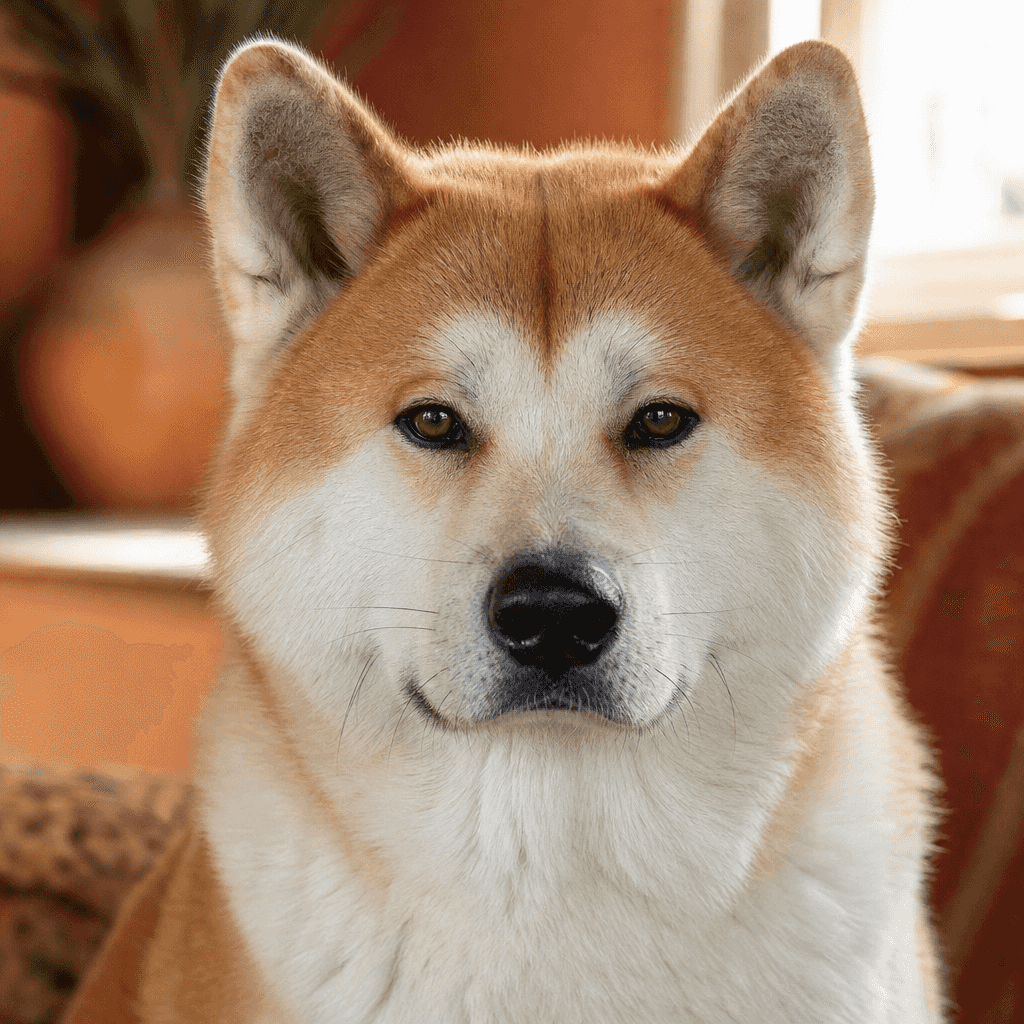
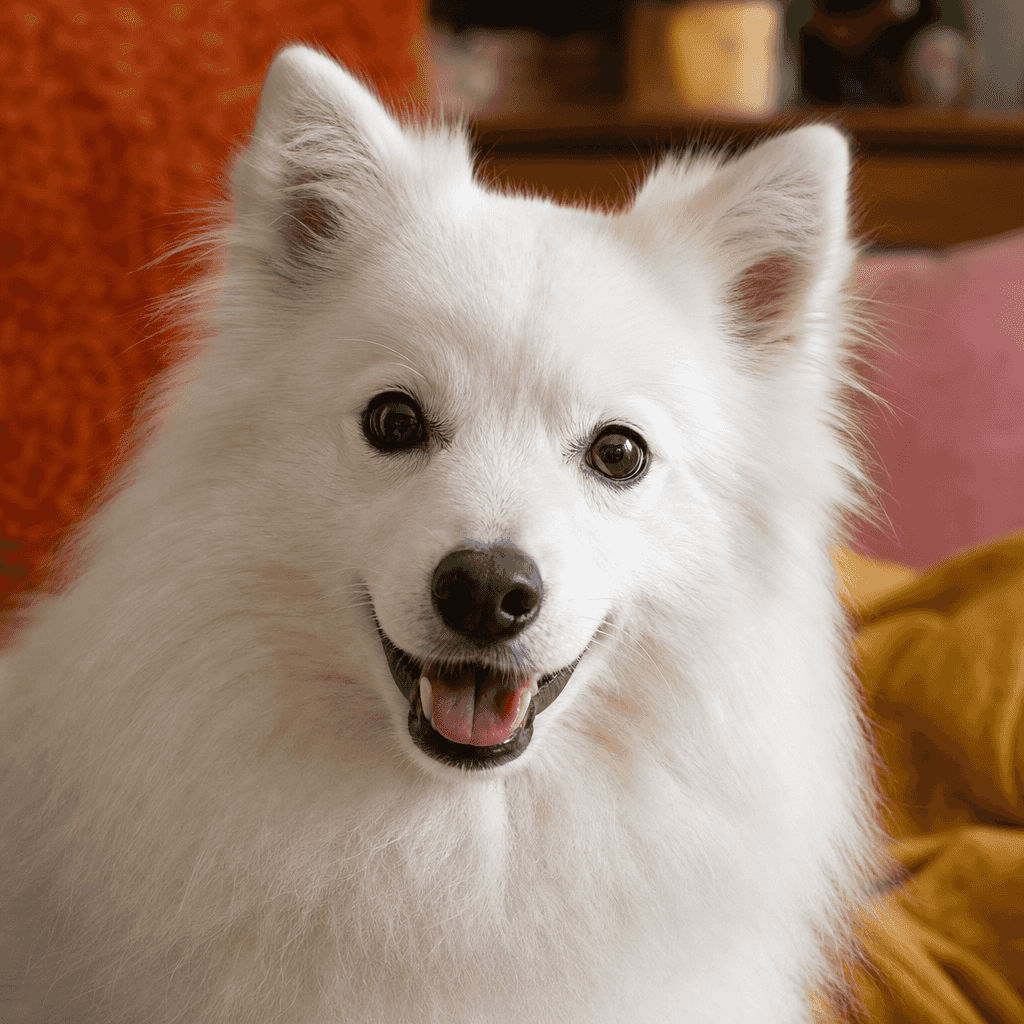
Japanese Akitainu Match Quiz
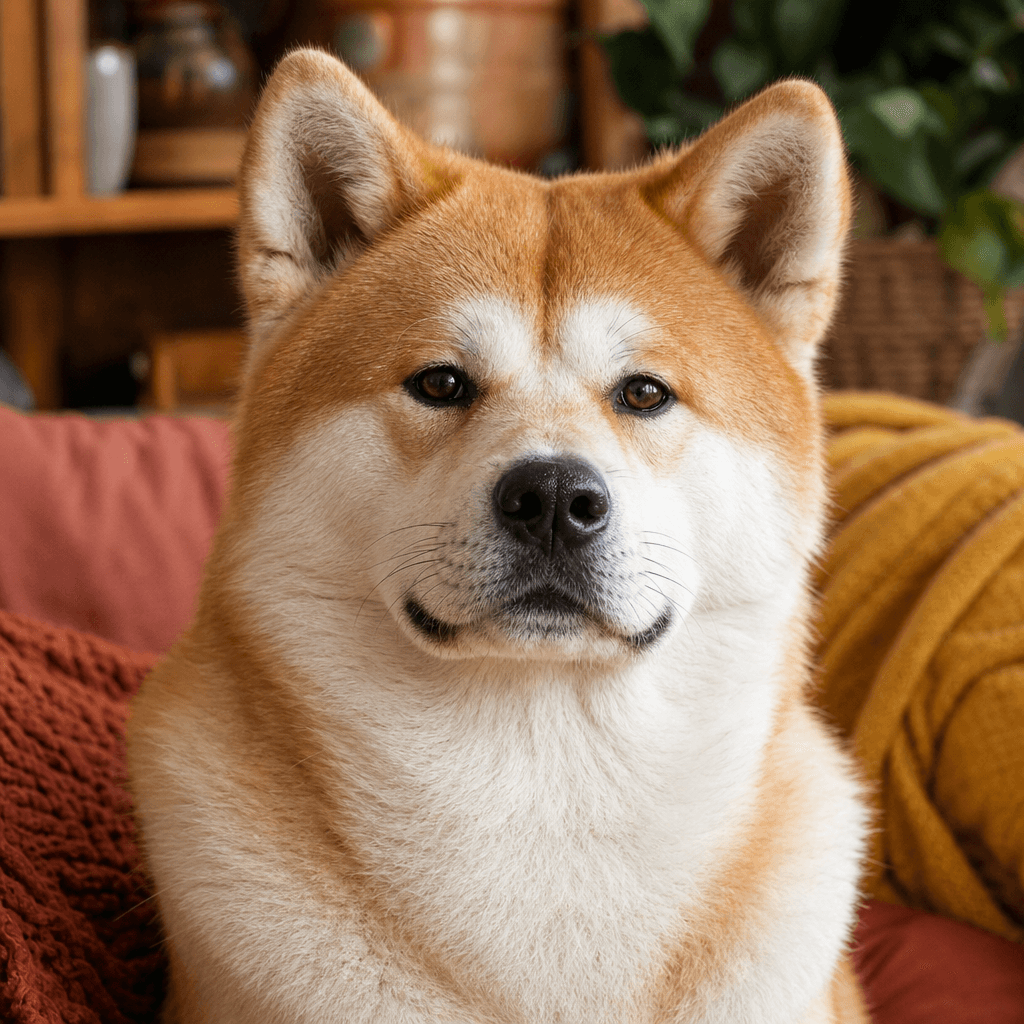
Is a Japanese Akitainu right for you?
16 quick questions
Question 1of 16
What kind of exercise routine are you genuinely up for, most days?
The ideal answer: Two solid walks and some brain work
That’s the sweet spot for this breed. Your plan matches an Akitainu’s preferences — purposeful walks, a bit of training, and time to relax with the family. Keep the pace brisk in cool hours and add a puzzle or scent game on rainy days to round it out.
Question 2of 16
Where will this dog spend most of its life?
The ideal answer: House with a securely fenced yard
Perfect. A 6-foot physical fence gives an Akitainu room to stretch without the temptation to patrol the neighborhood. Expect more porch-lounging than zoomies — the yard is for sniffing and sun, with real exercise coming from leashed walks.
Question 3of 16
Which description sounds most like you?
The ideal answer: I’ve owned independent/guardian or spitz breeds and liked the challenge
Great — you already speak this dog’s language. Clear rules, steady routines, and reward-based training with firm boundaries will bring out the Akitainu’s best: polite, steady, and deeply loyal. You’ll also recognize when to manage instead of "socialize it out."
Question 4of 16
How do you naturally handle rules and training?
The ideal answer: Calm, consistent, reward-based with clear boundaries
That’s exactly what works. Mark and pay the behaviors you want, prevent rehearsals of the ones you don’t, and keep sessions short so the dog stays engaged. This approach builds respect without eroding the breed’s dignity.
Question 5of 16
Be honest: what are you hoping for with off-leash time?
The ideal answer: Lifelong on-leash outside fenced areas is fine by me
Great — that mindset keeps this breed safe. Use long lines in open spaces when you want freedom, and swap variety (new routes, sniff breaks) for the off-leash dream. Your dog won’t miss what it never rehearses.
Question 6of 16
How busy is your front door, and what do you expect from your dog?
The ideal answer: Quiet home, few visitors — neutrality is enough
You’re aligned with the breed’s temperament. Teach a place command for door knocks, reward calm observation, and let the dog opt out by settling on a mat. A polite, aloof guardian is a win here.
Question 7of 16
What’s your vision for your dog’s canine social life?
The ideal answer: Happiest as my one-and-only
Great choice. Solo life lets an Akitainu relax, skip social politics, and focus on you. You’ll still socialize for neutrality, but you won’t be juggling inter-dog dynamics at home.
Question 8of 16
Any small pets in the picture?
The ideal answer: No small pets now or planned
That makes life simpler. You can channel prey drive into scent games and tug without worrying about household chases. Outdoor cats and wildlife will still require leash discipline.
Question 9of 16
How do you feel about regular brushing and coat maintenance?
The ideal answer: Weekly brushing; daily during coat blow is fine
Perfect. A slicker and undercoat rake keep the coat healthy, reduce mats behind ears and thighs, and catch most loose hair before it finds your couch. Bathe only when needed and never shave — it damages the coat’s structure and insulation.
Question 10of 16
Dog hair on clothes and furniture — what’s your tolerance?
The ideal answer: No problem — lint rollers and vacuums are part of life
You’ll be fine. A daily robot vacuum plus a weekly deep clean keeps most of the fluff in check, and a throw on the favorite sofa spot saves arguments. The trade for that glorious coat is simply… more of it on everything.
Question 11of 16
What climate will your dog live in?
The ideal answer: Cool to cold most of the year
Perfect match. Expect joyful winter walks and a dog that loves snow. Keep paw care and traction in mind, but otherwise the coat does the heavy lifting.
Question 12of 16
An unexpected $1,200 vet bill (eye, bloat scare, or thyroid workup) would be…
The ideal answer: Covered — savings or good insurance in place
Excellent — that safety net matters with this breed. Consider a policy started young and ask your vet about bloat prevention and when gastropexy makes sense. With predictable costs managed, you can focus on training and enrichment.
Question 13of 16
What kid situation best describes your home?
The ideal answer: Adults only or teens who follow rules
Ideal. You’ll set calm routines, teach the dog a place to settle, and avoid the kind of unpredictable grabbing that stresses many spitz guardians. Expect a devoted, quietly watchful companion.
Question 14of 16
On a typical weekday, how long would the dog be alone?
The ideal answer: Rarely alone — someone’s usually home
Nice setup. The dog gets company without being pestered, and you’ll see that calm, cat-like loyalty shine. Just keep departures and returns low-key so attachment stays healthy.
Question 15of 16
What’s your plan for keeping the dog safe at home?
The ideal answer: 6-foot solid fence or secure courtyard
Excellent. That height and structure deter climbing and reduce fence-fighting with neighborhood dogs. Combine it with door protocols and you’ve covered the big risks.
Question 16of 16
How much dog noise can your household (and neighbors) tolerate?
The ideal answer: I prefer a mostly quiet dog with purposeful alerts
That’s the usual Akitainu profile. Teach a cue to stop after one or two barks and reward settling on a mat. Manage windows and yard lines of sight to keep alerting from becoming a hobby.
Your result
Answer the 16 questions above and your match score appears here.