Icelandic Sheepdog Match Quiz
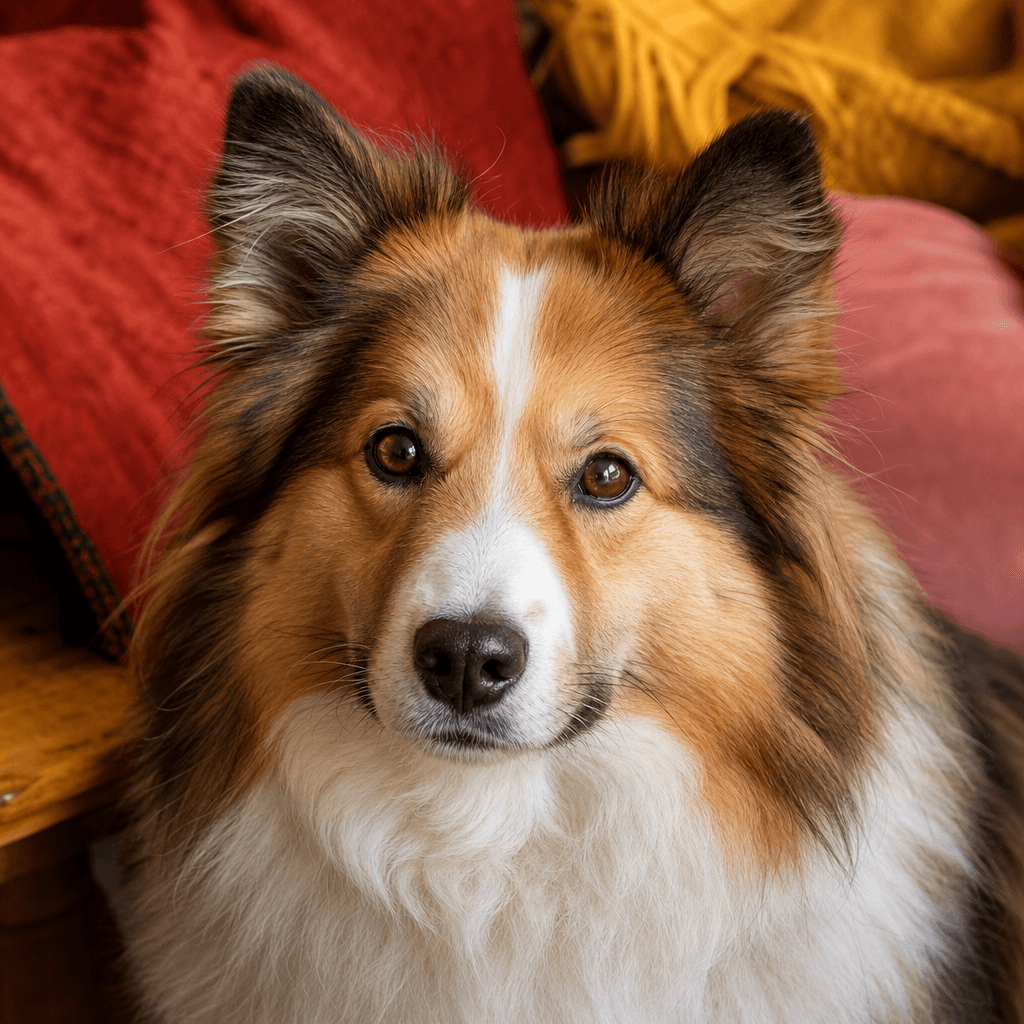
Is an Icelandic Sheepdog right for you?
17 quick questions
Question 1of 17
How active are you, most weeks?
The ideal answer: I’m out daily — hikes, runs, training or sports
If that’s your rhythm, an Icie will match it with a grin. This breed thrives on purposeful movement and will happily split the day between a solid outing and short training bursts. You’ll see their best temperament when their body and brain both get a job.
Question 2of 17
Where would this dog live?
The ideal answer: House with a securely fenced yard
Perfect — a yard isn’t a workout, but it’s great for training, decompression, and quick zoomies. With gates latched and a 5–6 ft fence, you’ll manage that motion-sensitive chase instinct safely. Just pair it with real walks; grass alone won’t tire this breed out.
Question 3of 17
How much barking can your life handle?
The ideal answer: I don’t mind a talkative dog and have no strict noise rules
Great — you’ll enjoy the commentary as part of the breed’s charm. Teach a “thank you, quiet” routine from day one and give your dog real jobs so boredom doesn’t fuel extra noise. Expect some narration to stick around; it’s baked into the Icie toolkit.
Question 4of 17
On a typical weekday, the dog would be alone…
The ideal answer: Rarely — someone’s around most of the day
That’s ideal for a people-oriented herder. You’ll see a relaxed, affectionate dog who settles nicely after exercise and training. Use that time together to build routines and your Icie will thrive.
Question 5of 17
What’s your training style, honestly?
The ideal answer: I enjoy daily 5–10 minute sessions and classes
Perfect match. This dog will repay your consistency with quick learning, great recalls, and manners that hold up in real life. Consider a beginner sport class — channeling that brain is half the fun with this breed.
Question 6of 17
How do you picture outdoor time?
The ideal answer: Securely fenced yard and off‑leash only in safe areas
Great plan. A 5–6 ft fence or long-line gives you safety while you build a recall you can trust. You’ll enjoy off‑leash privileges sooner because you never rehearsed bad habits.
Question 7of 17
How much coat care fits your life?
The ideal answer: Brush 2–3x weekly; daily during sheds
Perfect — that rhythm keeps the coat healthy and your home saner. Focus on friction spots (behind ears, pants, armpits) and use a slicker plus metal comb. Avoid shaving; it harms weather protection and rarely helps shedding.
Question 8of 17
Dog hair on clothes and floors?
The ideal answer: No problem — lint rollers are cheap
Then you’ll take the fluff in stride. A robot vacuum on a schedule and strategic throws on the couch make it painless. In return you get that gorgeous, weatherproof coat doing its job.
Question 9of 17
Describe your climate and home cooling:
The ideal answer: Cool climate or reliable AC; can time walks to mornings/evenings
That’s the sweet spot. Your Icie will revel in winter and stay comfortable in summer with smart scheduling. Expect snow‑zoomies and a dog that begs for one more frosty lap.
Question 10of 17
How would an unexpected $800–$1,500 dog expense land?
The ideal answer: Covered — savings or pet insurance in place
Great — that cushion lets you say yes to care without hesitation. Consider a policy early, before any issues become pre‑existing. Then routine wellness and the rare curveball stay manageable.
Question 11of 17
What describes your household best?
The ideal answer: Adults and/or kids 8+ who enjoy training and play
Great match. With respectful handling and shared training games, an Icie becomes a cheerful shadow and patient playmate. Teach kids "dog off-switch" skills and you’ll have a harmonious team.
Question 12of 17
Any other animals in the mix?
The ideal answer: No small pets; maybe another dog
Easy mode. Your Icie can focus on you and appropriate dog play. If you add a second dog, match energy levels so games stay friendly rather than frantic.
Question 13of 17
What do you want to do together?
The ideal answer: Classes or sports (agility, nose work, rally) plus adventures
Bullseye. You’ll channel drive into skills and see a focused, fulfilled dog. Sport foundation training also makes everyday life — recalls, impulse control — pleasantly easy.
Question 14of 17
Fast movement (bikes, joggers, running kids) near your home is…
The ideal answer: Common, and I’m ready to train impulse control
Perfect attitude. Reward calm watching, practice “leave it” and “look,” and give your dog legal outlets like fetch and structured tug. You’ll turn temptations into training wins.
Question 15of 17
Outdoor mess tolerance?
The ideal answer: No worries — towels by the door and a mat
Perfect. A quick towel-off and a post‑walk brush keep the house tidy and the coat healthy. You’ll appreciate how fast this coat dries compared to many long‑haired breeds.
Question 16of 17
Be honest about your experience level:
The ideal answer: I’ve trained dogs before or I’m eager to take classes
You’ll love this breed. With your mindset, the Icie’s smarts turn into quick wins and fun teamwork. A foundations class will fast‑track you both, even if you’re already experienced.
Question 17of 17
How will you choose your dog?
The ideal answer: Health‑tested breeder or breed‑savvy rescue — I’ll verify
Excellent. Asking for OFA/PennHIP, patella, and eye clearances (and meeting adult relatives) stacks the odds for a sound, stable dog. Good rescues do the same due diligence for dogs already waiting.
Your result
Answer the 17 questions above and your match score appears here.