Hokkaido Match Quiz
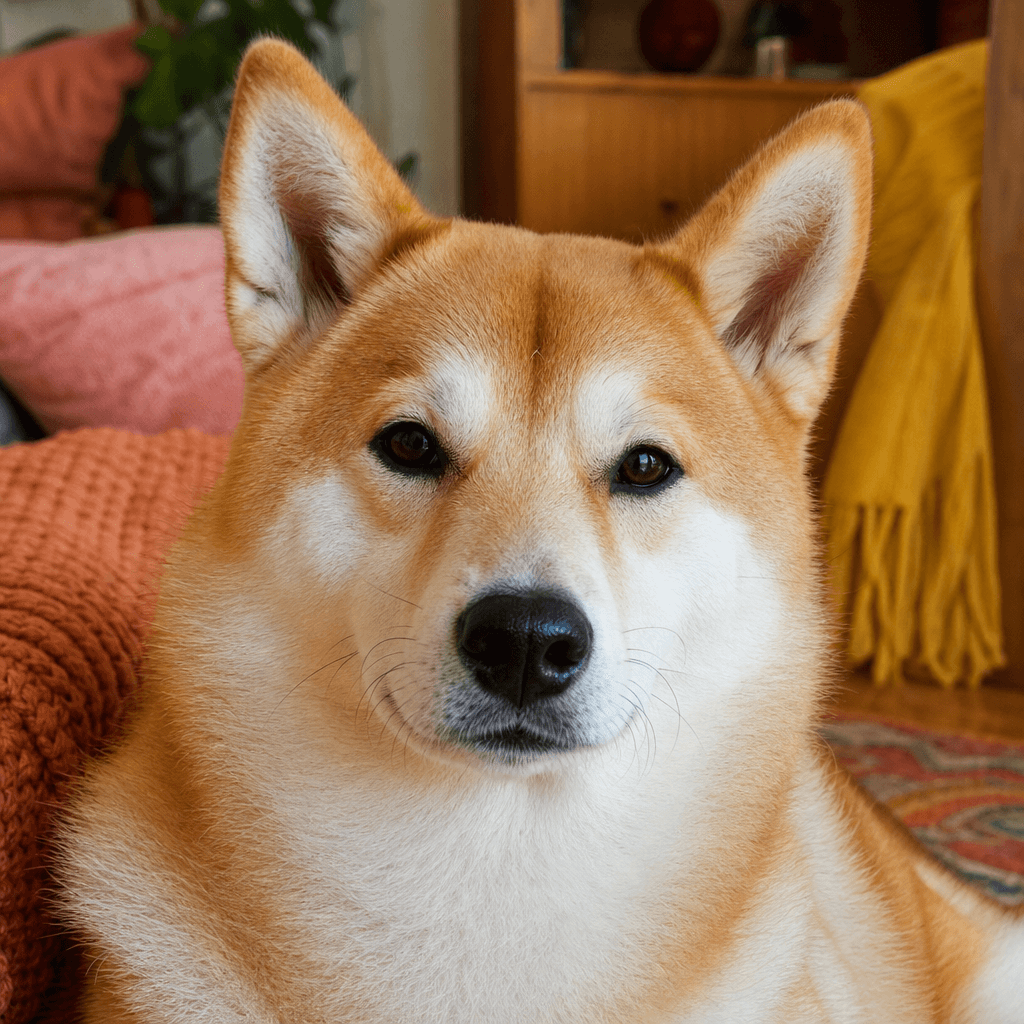
Is a Hokkaido right for you?
14 quick questions
Question 1of 14
How much real exercise can you give — every day?
The ideal answer: 90+ minutes — brisk walks, hikes, and training
That’s the sweet spot for this breed. With long power walks or trail time and a chunk of training or nosework, a Hokkaido’s body and brain both get fed — which is when the calm, thoughtful dog shows up at home. Keep the routine consistent and you’ll own one of the best adventure partners around.
Question 2of 14
What’s home base — and how secure is the yard?
The ideal answer: House with a 6-ft, secure fence
Perfect. A real fence gives a Hokkaido room to stretch without the risk of a deer, squirrel, or scent trail flipping the off switch on recall. Skip invisible fences — most spitz breeds push right through when drive kicks in, then won’t cross back.
Question 3of 14
How do you picture walks and freedom?
The ideal answer: Leashed hikes or long-line outings; off leash only in secure fields
Great plan. Long lines give a Hokkaido room to move without letting instinct take the wheel, and fenced fields scratch the free-run itch safely. With those rules, recall becomes a backup skill instead of a life-or-death gamble.
Question 4of 14
When a smart, independent dog pushes back, you…
The ideal answer: Stay calm, use clear rules and rewards
That’s exactly how this breed thrives. Short, upbeat sessions with food, toys, and real-life rewards (doors open, leash goes on) keep a Hokkaido engaged without triggering a battle of wills. You’ll get steady reliability built on trust, not compliance under pressure.
Question 5of 14
Is this your first independent/primitive breed?
The ideal answer: I’ve owned working/spitz or high-drive breeds
Perfect background. You already know how to channel energy into jobs, proof behaviors in the real world, and prevent rehearsal of bad habits. That toolkit fits a Hokkaido like a glove.
Question 6of 14
What vibe do you want when guests come over?
The ideal answer: Polite but measured — greet on cue, then settle
That expectation fits the breed. With clear routines (place cot, reward calm, release to sniff), a Hokkaido learns that visitors aren’t a threat and that you handle the door. You’ll keep the good watchdog while avoiding the suspicious escalations.
Question 7of 14
Who else would this dog live with?
The ideal answer: No other pets — this dog will be an only
That’s the easiest path. A solo Hokkaido channels all that focus into you, training, and outings, with no household politics to manage. It also simplifies feeding and toy rules for a breed that can be serious about resources.
Question 8of 14
Your tolerance for double-coat care and hair?
The ideal answer: Weekly brushing and de-shedding are fine
Perfect attitude. A slicker and undercoat rake once or twice a week — plus daily sessions during spring and fall — keep the coat healthy and your home sane. You’ll also spot skin issues or burrs before they become problems.
Question 9of 14
Your weather, most of the year?
The ideal answer: Cool/cold climate with real winters
Ideal. Snowy hikes and crisp air bring out this breed’s best, and paw care plus a post-walk towel are most of the maintenance. You’ll spend your management energy on summer, not winter.
Question 10of 14
On a normal weekday, how long would the dog be alone?
The ideal answer: 0–4 hours, most days (with a walk before/after)
Great. A well-exercised Hokkaido will nap hard between your comings and goings. Add a stuffed chew and a cozy crate or mat and you’ll return to a calm dog.
Question 11of 14
What kind of “job” can you offer?
The ideal answer: Real sport/training and big hikes each week
Bullseye. Nosework, tracking, agility, or canicross give this breed a channel for its focus and stamina, and long hikes scratch the adventure itch. You’ll see a calmer housemate and fewer mischief experiments.
Question 12of 14
How prepared are you for a rare breed’s costs?
The ideal answer: Savings/insurance and willing to wait or travel
Great stance. That patience lets you find health-tested lines (hips, elbows, and ophthalmologist eye exams) and a breeder who supports you for life. Insurance turns the occasional surprise into a shrug instead of a scramble.
Question 13of 14
Barking and “spitz talk” — where’s your comfort level?
The ideal answer: Fine with alert barking; I’ll train a solid “quiet”
Perfect. Teach a cue-based routine — bark to announce, then quiet for pay — and you’ll keep the watchdog without the neighborhood chorus. Enrichment and exercise knock the volume down, too.
Question 14of 14
How do you feel about preventive vet care and screening?
The ideal answer: Proactive — annual exams, screenings, weight control
Excellent. Keeping your Hokkaido lean, screening hips and eyes in breeding dogs, and maintaining dental care stack the deck for a long, sound life. Small habits now prevent big bills later.
Your result
Answer the 14 questions above and your match score appears here.