Hanoverian Scenthound Match Quiz
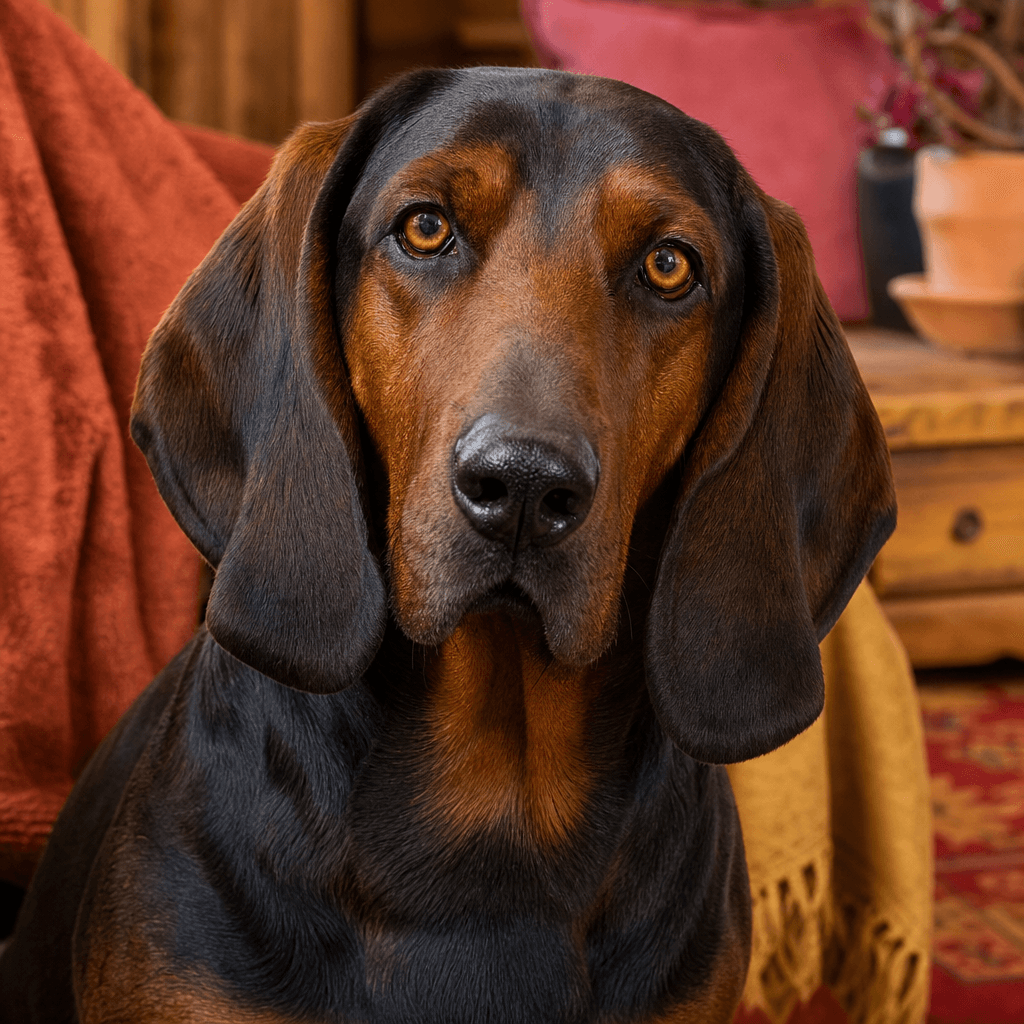
Is a Hanoverian Scenthound right for you?
14 quick questions
Question 1of 14
How much structured exercise can you promise most days?
The ideal answer: 90 minutes+ including real sniff-walks
That sounds right on target for a Hanoverian. Daily, nose-led mileage plus decompression time is how this hound settles into its famously calm house manners. Keep much of that time on a long line so the dog can work scent safely, and you’ll see the best version of the breed.
Question 2of 14
What's home base and yard security like?
The ideal answer: House with a securely fenced yard
Perfect — a solid, tall fence is how you give freedom without gambling on recall. Use the yard for potty breaks, training reps, and short scent games, and save real work for leashed woods walks. Secure gates and double-check latches; a hot trail is all the invitation this breed needs.
Question 3of 14
How do you picture letting this dog run?
The ideal answer: Long-line tracking and fenced fields — safety first
That’s the gold standard for this breed. A 10–15 m long line lets a Hanoverian work scent the way it was meant to while you stay in control near roads, wildlife, and livestock. It scratches the itch safely and keeps recall honest.
Question 4of 14
What kind of training pace suits you?
The ideal answer: Short, positive, food-rewarded sessions
That’s exactly how this breed blooms. Five-minute reps, frequent wins, and scent-based games will give you loose-leash walking, polite greetings, and a dog that wants to check in. Pair manners with a real job and you’ll be delighted by the dog’s problem-solving.
Question 5of 14
Realistically, how will you feed that tracking brain?
The ideal answer: Join tracking/mantrailing or game-recovery work
Brilliant — you’re speaking the breed’s language. Regular field days on a harness with aged tracks will drain energy and build an incredible partnership. You’ll also plug into a community that can mentor you through the finer points of handling.
Question 6of 14
What’s your background with independent working breeds?
The ideal answer: I’ve handled hounds/working dogs before
Great — you already speak "hound." You’ll anticipate when the nose will override manners and set up training that channels drive instead of fighting it. That head start matters with this breed.
Question 7of 14
Who will share the home?
The ideal answer: Adults and respectful kids 8+
That’s a good match. With supervision and clear rules about doors, leashes, and space, this hound becomes a gentle, steady family companion. Older kids often enjoy helping with scent games, which deepens the bond.
Question 8of 14
Any small animals at home?
The ideal answer: No small pets; maybe another sturdy dog
That’s ideal. Without small, fast-moving temptations, you can focus on leash manners and scent work instead of prevention. Slow, well-managed introductions with another dog usually go smoothly with this thoughtful breed.
Question 9of 14
On a typical weekday, the dog would be alone…
The ideal answer: 3–5 hours, most days
That’s a comfortable window. A solid walk before you leave, a food puzzle at departure, and a calm decompression stroll after work will keep this hound content. It’s a setup where the breed’s easy indoor side shines.
Question 10of 14
How do you feel about routine grooming?
The ideal answer: Weekly brushing, ear checks, nails monthly
Perfect — that’s the whole program. A rubber curry or hound glove keeps the coat healthy, ear wipes fend off infections, and monthly nail care protects joints and traction. After field days, add a quick tick-and-burr scan.
Question 11of 14
An unexpected $1,200 vet bill would be…
The ideal answer: Covered — savings or pet insurance
You’re set up for success. Insurance taken out young helps with big-ticket items like orthopedic imaging or emergency bloat surgery, while savings buffer the rest. With finances stable, you can focus on training and field days instead of invoices.
Question 12of 14
Your typical climate is…
The ideal answer: Cool/temperate — long shoulder seasons
Great — that’s home turf for a tracking hound. You’ll get long prime months for steady work, with simple adjustments like a drying coat and paw checks after soggy days. Expect a happy, tireless partner in this range.
Question 13of 14
How much hound music can your life handle?
The ideal answer: Some baying is fine; no close neighbors
Perfect — you’ve got room for a voice. Use it on cue during scent games and keep arousal low at fences, and you’ll enjoy the music without letting it become a habit. Content hounds sing less between jobs.
Question 14of 14
Most weekends you’ll be…
The ideal answer: Out on trails, fields, tracking practice
That’s the dream weekend for a Hanoverian. Pack a tracking harness, long line, and water, and your dog will give you miles of focus followed by a blissful nap. It’s the routine that keeps their indoor manners effortless.
Your result
Answer the 14 questions above and your match score appears here.