Greater Swiss Mountain Dog Match Quiz
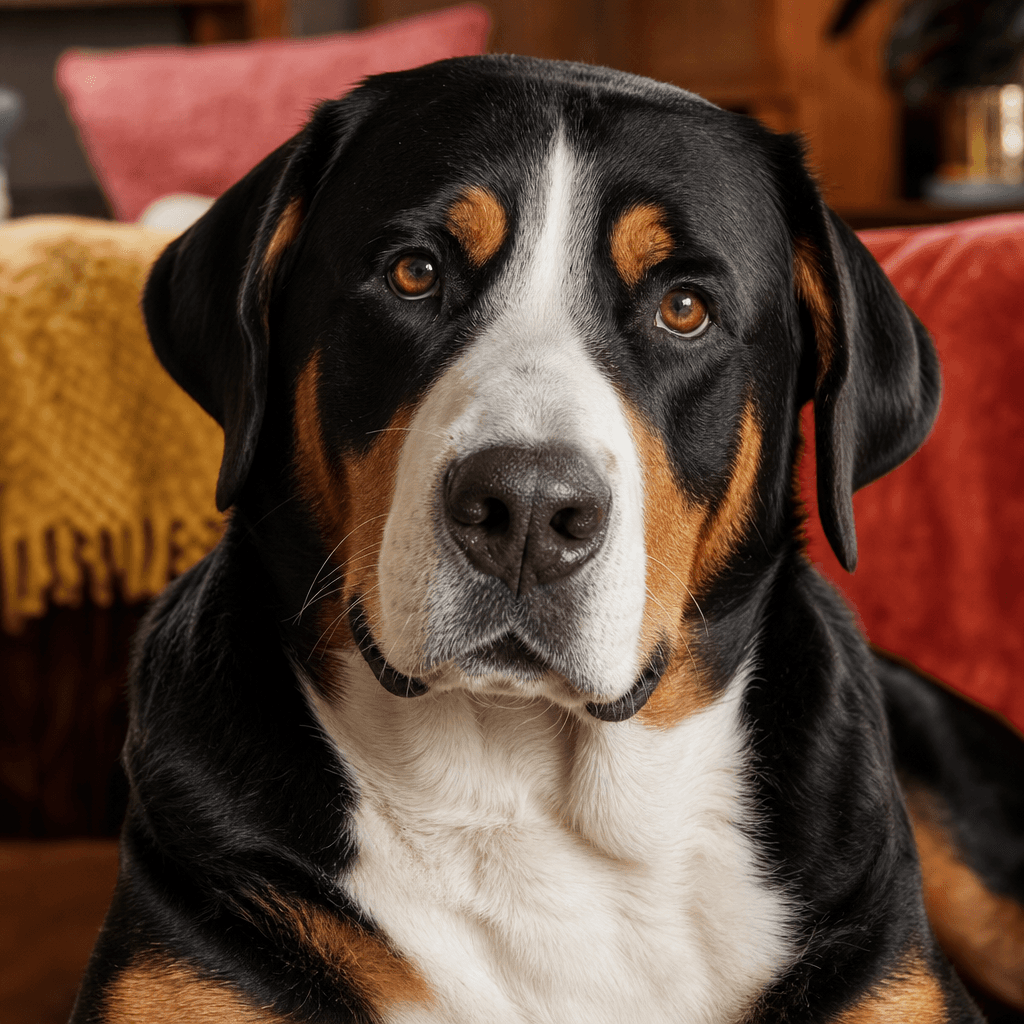
Is a Greater Swiss Mountain Dog right for you?
14 quick questions
Question 1of 14
What kind of exercise partner are you hoping for?
The ideal answer: Long, steady walks or cool-weather hikes
That’s the Swissy sweet spot. Think 45–90 minutes of steady movement, with extra sniffing and hill work when it’s cool. Add a training session or puzzle toy and you’ve covered both body and brain without pounding the joints.
Question 2of 14
Where will this big dog live and lounge?
The ideal answer: House with a fenced yard
Perfect. A yard won’t replace walks, but it makes bathroom breaks and training games easy. Add shade and non-slip paths, and you’ve got an ideal base for a cold-loving breed that prefers to loaf where its people are.
Question 3of 14
Be honest: handling a 100+ lb dog on leash feels…
The ideal answer: Comfortable — I can physically manage it
Great — that confidence will keep both of you safe. Start loose-leash skills early, use a well-fitted front-clip harness while learning, and reward calm at doors and curbs. A big dog handled well is a joy; handled poorly is a bowling ball.
Question 4of 14
Your typical summer looks like…
The ideal answer: Cool or temperate; summers are mild
Perfect territory for a Swissy. You’ll enjoy longer walks, some winter zoomies, and far fewer heat-related schedule changes. Still watch for overheating on unseasonably warm days and always carry water.
Question 5of 14
How do you feel about lots of hair, twice-a-year blowouts, and weekly brushing?
The ideal answer: No problem — lint rollers at the ready
Perfect attitude. A weekly brush plus a robot vacuum will handle most of it, and daily five-minute sessions during seasonal blowouts will save your sanity. Plan on dog hair as a neutral accessory.
Question 6of 14
About drool and water trails…
The ideal answer: Totally fine — I own towels
That’s the spirit. Keep absorbent mats near water bowls, stash a slobber cloth at the door, and you’ll barely notice. The payoff is a dry-mouthed giant most of the day with only episodic goo.
Question 7of 14
Your approach to training looks like…
The ideal answer: Calm, positive, and consistent
That’s exactly what this breed needs. Short, fun sessions build reliability without inviting a battle of wills, and a well-socialized Swissy becomes a confident, polite adult. Add a manners class early and you’ll be proud of the results.
Question 8of 14
How important is reliable off-leash freedom?
The ideal answer: Leash or fenced fields are fine by me
Great — that’s the safest and most realistic plan. You’ll enjoy stress-free walks, focused training, and controlled play, with occasional off-leash time only in secure areas.
Question 9of 14
Tell us about your household vibe
The ideal answer: Adults only, calm routine
That’s prime Swissy country. Expect an oversized shadow, strong watchdog instincts at the door, and a dog that settles exactly where you do. Guests will be greeted with presence first, friendship after you say hello.
Question 10of 14
On a typical weekday, the dog would be alone…
The ideal answer: Rarely — someone’s usually home
Ideal. A near-you lifestyle is exactly what a Swissy signs up for. You’ll get the velcro companionship without the separation stress that derails some big dogs.
Question 11of 14
An unexpected $1,500–$3,000 vet bill would be…
The ideal answer: Covered — savings and/or pet insurance
You’re set up well. Insure early to avoid pre-existing exclusions, and you’ll buffer the big-ticket risks — bloat surgery, orthopedic fixes, or emergency care. Budget for food and training, too; a big brain and body aren’t cheap.
Question 12of 14
Your home and routine during the first 18–24 months…
The ideal answer: I’ll protect joints and limit stairs/jumps
Excellent. Use runners on slippery floors, lift or ramp into cars, and keep exercise steady and low-impact. You’ll trade a little patience now for a sounder adult dog later.
Question 13of 14
Beyond walks, are you up for a purpose-driven activity?
The ideal answer: Yes — carting, pack hikes, or nosework sound fun
Perfect fit. Start with basic manners, then explore your local draft or carting group — Swissy clubs often host. Purposeful work lights these dogs up and deepens your bond.
Question 14of 14
Noise tolerance at home and with neighbors?
The ideal answer: Alert barking is fine; I’ll train “quiet”
Great match. Teach a cue, reward silence, and give the dog a spot away from windows during high-activity hours. You’ll keep the watchdog benefits without running afoul of neighbors.
Your result
Answer the 14 questions above and your match score appears here.