Great Pyrenees Match Quiz
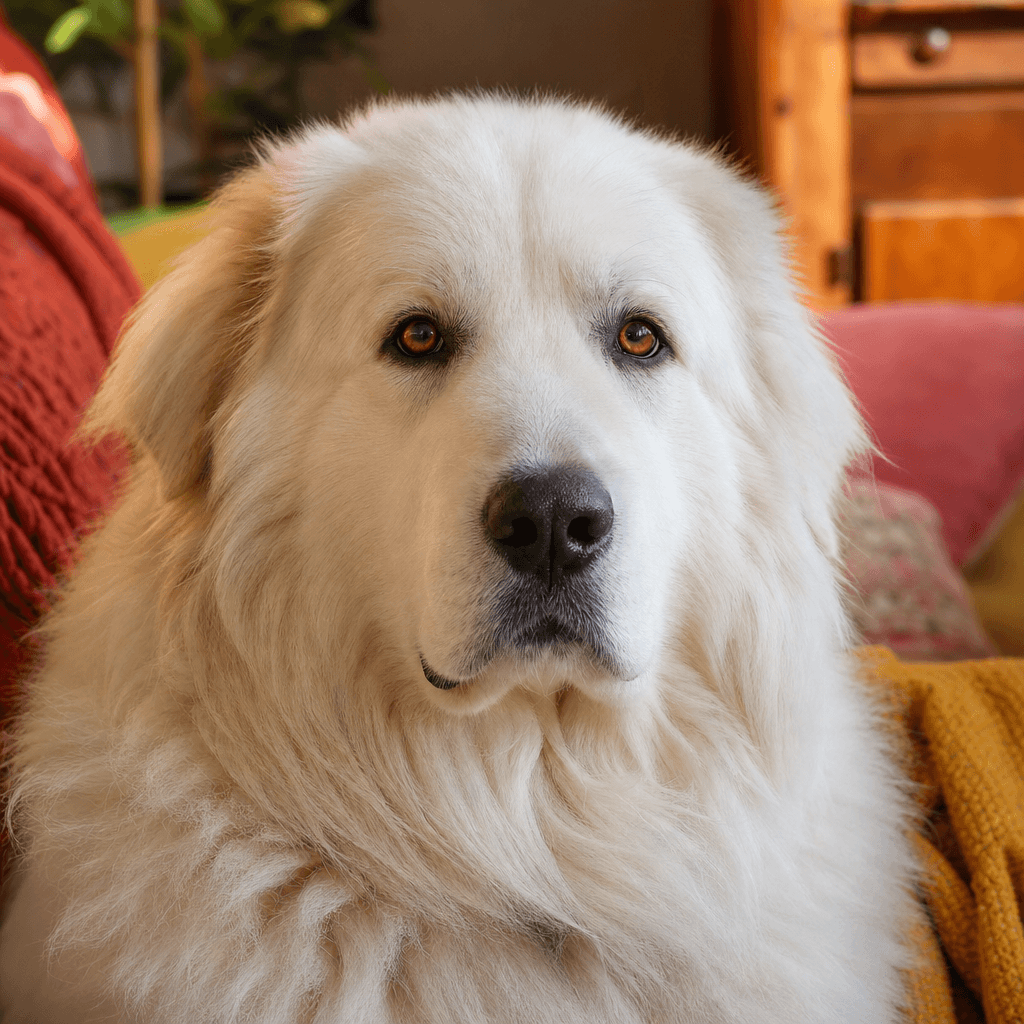
Is a Great Pyrenees right for you?
15 quick questions
Question 1of 15
What’s an ideal activity rhythm for you and your dog?
The ideal answer: Daily 45–60 minute strolls and a calm home base
That’s the Pyr sweet spot. Long, easy walks and plenty of time to supervise the yard give this guardian breed the outlet it expects. You’ll get a relaxed housemate who saves its energy for watch duty instead of bouncing off the walls.
Question 2of 15
What kind of containment do you have or plan to install?
The ideal answer: 5–6 ft solid fence with dig guards and tight gates
Perfect. Pyrs are talented at testing weak points, so height plus dig protection is exactly right. Add self-closing, latched gates and you’ll prevent most “tour of the block” adventures before they start.
Question 3of 15
How would your neighbors handle a dog that “works” at night?
The ideal answer: Rural or distant neighbors — noise isn’t a concern
Perfect for a Pyr. You can let the breed do quiet perimeter checks without starting a neighborhood committee meeting. Even so, bring your dog inside at night to cut the bark load in half — it’s the single best management tool.
Question 4of 15
Describe your typical summer and how you manage heat.
The ideal answer: Cool/mountain climate; summers are mild
Ideal. Your Pyr will thrive on early walks and long naps without a daily cooling project. You’ll still avoid midday exertion and never shave the coat — it insulates against heat as well as cold.
Question 5of 15
How do you feel about training a smart, independent dog?
The ideal answer: I’m patient and use calm, reward-based methods
Excellent fit. Short, upbeat sessions, clear boundaries, and rewarding quiet choices turn a Pyr into a thoughtful partner. You’ll teach “thank you, enough,” rock-solid doorway manners, and a default settle — all gold for this breed.
Question 6of 15
What are you hoping for off-leash?
The ideal answer: I’m fine keeping my dog leashed or in secure fields
That’s the safe, sane plan. Long lines, fenced parks, and recall games inside secure spaces give freedom without risk. You’ll avoid the heart-stopping “where did he go?” moments common with this breed.
Question 7of 15
What level of grooming are you truly up for?
The ideal answer: Weekly brushing; extra sessions during shed season
Spot on. A slicker and undercoat rake once a week, then 3–4 short sessions during blowouts, keeps the coat healthy. You’ll also catch hot spots, burrs, and those signature double-dewclaw nails before they become problems.
Question 8of 15
Dog hair on clothes, car seats, and corners of every room?
The ideal answer: Part of the deal — bring the lint rollers
That mindset makes Pyr life easy. Robot vacuums, couch throws, and a quick daily sweep turn the fluff into a background detail. You’ll barely notice it once the routines settle in.
Question 9of 15
An unplanned $1,200 dog expense (food bulk, emergency, GDV prevention) would be…
The ideal answer: Covered — savings and/or pet insurance
Great. Insurance early in life plus a vet fund turns big-dog surprises into inconveniences. Ask about hip screening on parents, discuss gastropexy with your vet, and budget for higher-dose meds and anesthesia.
Question 10of 15
Which best describes your household?
The ideal answer: Calm adults and/or respectful kids 8+
That’s a strong match. Teach kids to give space while the dog eats and to avoid climbing or hugging — giants have limits too. In return, you’ll get a patient, sofa-sized friend and a steady guardian presence.
Question 11of 15
Day-to-day, your Pyr will…
The ideal answer: Live indoors and have supervised yard access
Excellent. Indoor nights cut barking dramatically and reduce roaming impulses, and you’ll notice problems (heat stress, injuries) sooner. You still give the breed time to survey the yard — just on your terms.
Question 12of 15
On a typical weekday, your dog would be alone…
The ideal answer: Rarely — someone is around most of the day
Great. Presence keeps a guardian’s brain relaxed and reduces nuisance behavior. You’ll get the best of the breed: calm inside, watchful outside, no need to invent self-employment.
Question 13of 15
What animals will share the property?
The ideal answer: Livestock/poultry with secure pens; I’ll train and supervise
Excellent. Gradual introductions, secure enclosures, and experienced mentorship create a steady guardian. You’ll shape calm, protective behavior instead of learning the hard way with loose birds.
Question 14of 15
When you picture outings with your dog, you see…
The ideal answer: Long, cool-weather hikes and daily easy walks
Perfect fit. Keep puppies to controlled mileage until growth plates close (your vet will guide you), and pack water and shade. Your Pyr will happily amble for hours — then snooze like a pro.
Question 15of 15
Logistics check: moving a 90–120 lb dog through your world?
The ideal answer: Large vehicle, sturdy stairs, plenty of floor space
You’re set. Add a non-slip mat at home, a ramp if you want to protect joints, and a cargo liner for the fluff. Vet trips and road adventures will feel routine, not Tetris.
Your result
Answer the 15 questions above and your match score appears here.