Gordon Setter Match Quiz
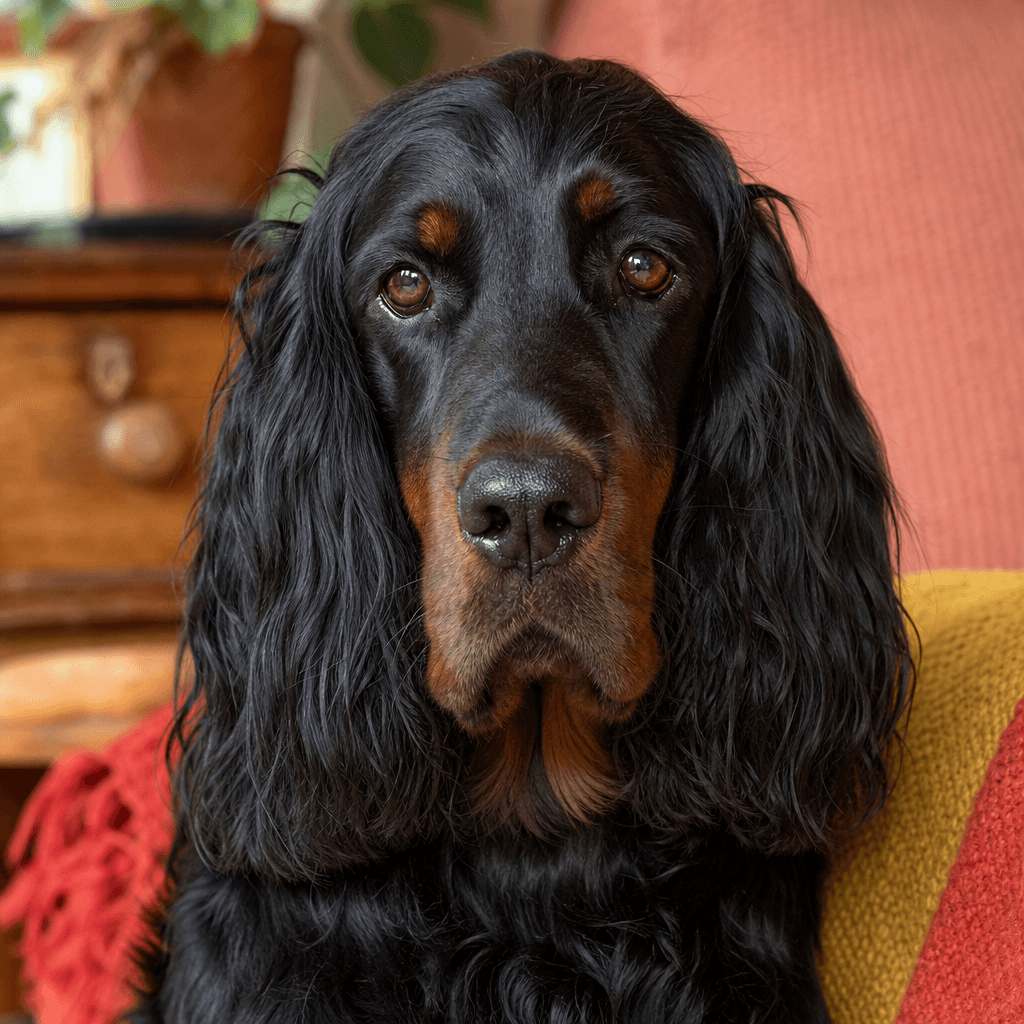
Is a Gordon Setter right for you?
16 quick questions
Question 1of 16
How much purposeful exercise can you give most days?
The ideal answer: 90–120+ minutes, split walks/runs and play
You’re speaking their language. With 1.5–2 hours of purposeful movement — brisk walks, off-leash play in safe spaces, or runs once grown — a Gordon’s brain and body settle into that wonderful, easy housemate mode. Keep hard running for after growth plates close (around 18 months) and mix in sniffing and training so it’s not just cardio.
Question 2of 16
What’s your home setup like?
The ideal answer: House with a securely fenced yard
Perfect. A solid fence gives a Gordon a safe place to stretch, potty, and do zoomies between real walks. Don’t mistake yard access for exercise, though — you’ll still do the miles — but it makes daily life smoother and training recalls easier.
Question 3of 16
What sounds closest to your training philosophy?
The ideal answer: Positive reinforcement, classes, short daily reps
That’s the winning formula. Keep sessions short and fun, pay generously for attention, and you’ll get a focused, thoughtful worker with a great off-switch. Field-bred brains love having a job; you’ll see faster progress than you expect when you make training the best game in town.
Question 4of 16
Your plan for off-leash time is…
The ideal answer: Mostly leashed/long line; off-leash only in fenced or safe areas
That’s the safe, realistic plan for a hunting breed. Long lines let them do the job they were bred for — quarter and sniff — while you keep veto power when a pheasant-sized distraction appears. In secure fields, work your recall like a sport and enjoy the big gallop.
Question 5of 16
Beyond walks, how will you tire the mind that powers that nose?
The ideal answer: Weekly class or sport (field, scentwork, agility, obedience)
Perfect choice. A standing class channels drive, builds teamwork, and smooths life at home. Even a monthly field training day plus weekly homework turns "busy" into "brilliantly settled."
Question 6of 16
Your feelings about brushing and basic grooming:
The ideal answer: Brush/combing 3–4x a week, trims as needed
That’s exactly what this coat wants. A slicker and metal comb through feathering, a quick sanitary/foot trim every few weeks, and weekly ear checks keep things easy. Field days mean a post-walk burr check — your future self will thank you.
Question 7of 16
Dog hair on clothes and furniture is…
The ideal answer: Part of the deal — lint rollers at the door
Great attitude. A quick weekly de-shed session plus your regular brushing keeps tumbleweeds at bay, and a couch throw saves your sanity. Most owners stop noticing the hair by month two — the dog remains impossible to miss.
Question 8of 16
Your local climate looks like…
The ideal answer: Cool to mild; summers are gentle
Ideal. You’ll get long, happy working seasons and a dog that recovers fast after exercise. In shoulder seasons, carry water and watch for foxtails in that feathering, but otherwise you’ve got the easy setting.
Question 9of 16
How comfortable are you managing large-breed risks like hip dysplasia and bloat (GDV)?
The ideal answer: Proactive — research, insurance, maybe prophylactic gastropexy
That’s the mindset that keeps crises manageable. Feed in measured meals, use a slow feeder if gulping, rest around mealtimes, learn bloat signs now, and consider gastropexy when the dog is under anesthesia for a spay/neuter. Add OFA/CERF-savvy breeders and annual checks to stack the odds.
Question 10of 16
An unexpected $1,200 vet bill would be…
The ideal answer: Covered — savings or pet insurance in place
Excellent. With a safety net, you can make health decisions based on best care, not wallet triage. Insure early (before any diagnoses) and your premiums stay reasonable while hips, bloat, and eye issues are still covered.
Question 11of 16
On a typical weekday, the dog would be alone…
The ideal answer: Rarely — someone’s usually home
Lovely. Presence plus proper exercise is the Gordon’s happy place; they’ll nap near you and take their job — companion-in-chief — seriously. Use that time to reinforce calm settles so company doesn’t equal pressure to entertain.
Question 12of 16
Tell us about your household vibe:
The ideal answer: Adults or kids 8+, calm-ish home
Great match. With guidance, older kids become favorite playmates and training partners, and the dog’s steadiness shines. Set one house rule — no tackling or rough grabby games — and everyone wins.
Question 13of 16
What other animals share your life?
The ideal answer: No small pets; maybe another dog
Easy mode. Many Gordons love canine company and do best with a playmate matched for size and energy. Supervise initial intros and feed separately until everyone’s routines are solid.
Question 14of 16
How much barking can your setting tolerate?
The ideal answer: A bit of watchdog talk is fine
Perfect. Teach a cue to thank-and-quiet, pair it with a treat on a mat, and you’ll have a polite doorman instead of a town crier. Adequate exercise keeps commentary from expanding into hobby-barking.
Question 15of 16
When the weekend hits, you’re most likely to…
The ideal answer: Hike, camp, explore new trails
Dream scenario. Bring a long line for wildlife zones, pack water and a tick comb for that feathering, and you’ll have the happiest trail buddy around. Expect content snoring by sundown.
Question 16of 16
Real talk: which life stage fits your bandwidth?
The ideal answer: An adult with basics installed
Great call if your schedule is tight. Many adult Gordons in rescue or from responsible breeders retiring a dog are house-trained, crate-savvy, and past the teething tornado. You still get miles and training — with fewer sharp puppy opinions.
Your result
Answer the 16 questions above and your match score appears here.