Giant Schnauzer Match Quiz
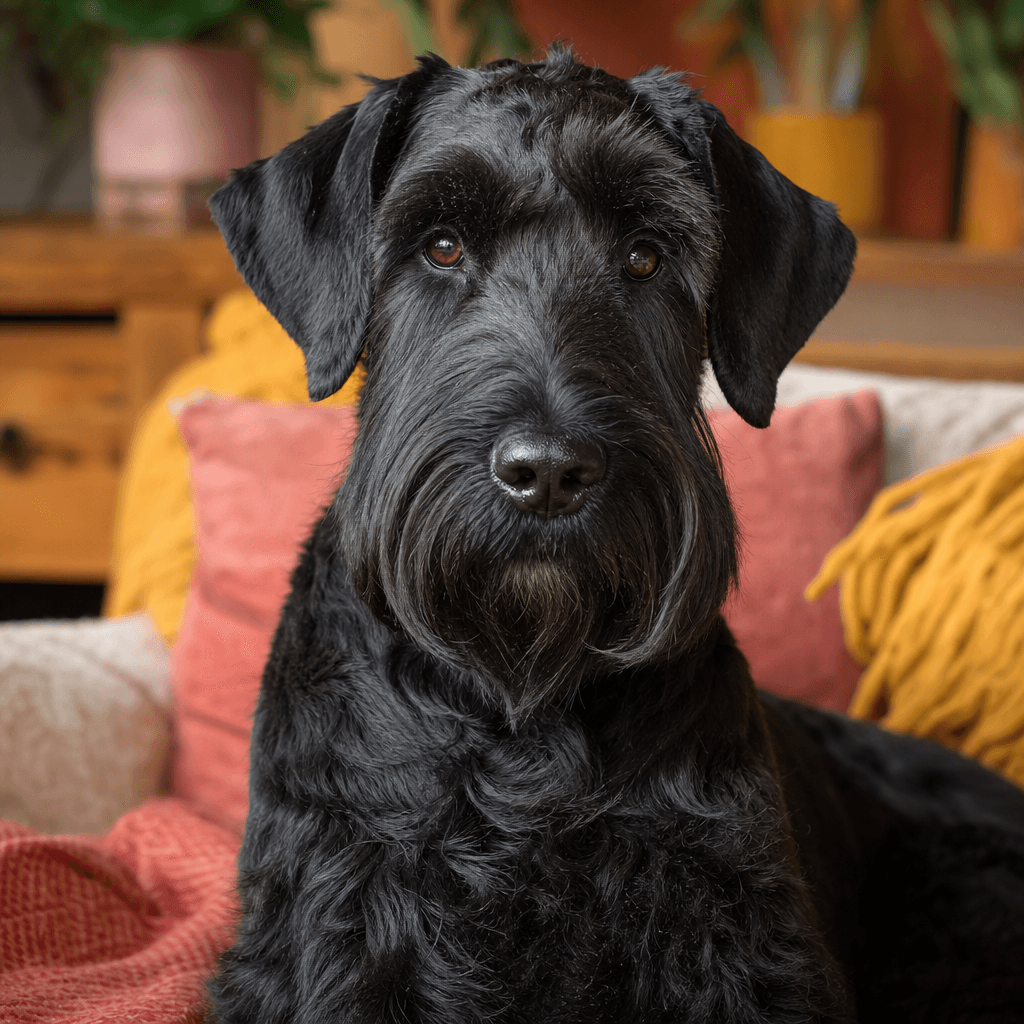
Is a Giant Schnauzer right for you?
16 quick questions
Question 1of 16
How much real exercise can you deliver most days?
The ideal answer: 90–120 minutes of structured work and walks
That’s the bullseye for a Giant. With a long, purposeful walk plus a training or play session every day, you’ll channel their stamina into good habits and come home with a calm housemate. Owners who hit this mark rarely see the destructive side of the breed.
Question 2of 16
What’s your training background?
The ideal answer: I’ve trained working/sport dogs or advanced obedience
Perfect — your timing, criteria setting, and calm structure are exactly what this breed thrives on. With your background, you’ll shape the raw drive into precision and keep adolescence from going feral. You’ll likely enjoy the ride as much as the results.
Question 3of 16
How will you tire out that big brain?
The ideal answer: Join a club and train sports a few times a week
That’s the gold standard. Regular sport work gives clear outlets for drive and teaches impulse control under excitement — exactly what turns a Giant into a steady citizen. You’ll also inherit a support network when adolescence gets spicy.
Question 4of 16
What’s your setup outside?
The ideal answer: Secure 6’+ fenced yard they’ll use daily
Ideal. A secure yard makes training and decompression simple, and a Giant given supervised off‑leash time between structured walks settles better indoors. You’ll still train recall and door manners — the fence is a tool, not a substitute for work.
Question 5of 16
Giant Schnauzer coat care looks like…
The ideal answer: Brush 3–4x/week, wipe beard daily, pro grooming on schedule
Perfect — that’s exactly what keeps the coat healthy and the skin happy. You’ll catch tangles in the furnishings, keep the beard clean, and avoid the snowball of mats that forces shave‑downs. Pick a groomer experienced with schnauzer coats and eyebrows.
Question 6of 16
After a drink, that famous beard…
The ideal answer: No problem — towels by the bowl, mat on standby
You’re speaking Giant. A quick beard squeeze after water and a bowl mat keep splatter to a minimum, and wiping paws at the door saves your rugs. With those habits, the mess becomes background noise.
Question 7of 16
Who’s at home, and how rowdy is it?
The ideal answer: Adults/teens, calm and dog‑savvy
That’s a sweet spot. Clear rules, predictable routines, and confident handling let a Giant relax and show off their off‑switch indoors. You’ll get cuddles, not chaos.
Question 8of 16
At the door or on walks, you want your dog to…
The ideal answer: Be neutral and controlled — I’ll train place and calm greetings
Excellent. Teaching a “place” cue for doorbells, rewarding neutrality, and using management when guests arrive turns guardian instinct into steady confidence. That’s what keeps a Giant safe and welcome in public.
Question 9of 16
On a normal weekday, the dog would be alone…
The ideal answer: 3–5 hours, plus a walker or midday check‑in
Great plan. A workout before you leave, a food‑stuffed chew at crate time, and a midday break keep a Giant’s brain and bladder happy. You’ll come home to a dog ready for your next activity, not a guilt trip.
Question 10of 16
Your stance on off‑leash freedom is…
The ideal answer: Fenced fields/long line; I don’t trust off‑leash near wildlife
Smart and safe. Managed freedom lets you practice recalls without risking a chase scene. This approach prevents bad habits and keeps everyone — including the dog — out of trouble.
Question 11of 16
How much alert barking can your world handle?
The ideal answer: Detached home — some barking is fine
Perfect. You can channel that voice into a brief alert, then “quiet” on cue. With windows managed and mental work done, most Giants keep commentary to a useful minimum.
Question 12of 16
Your weather most of the year is…
The ideal answer: Cool or temperate — shade and water are easy
Great. You’ll get long working seasons and comfortable training sessions. Keep an eye on warm spikes and you’ll mostly focus on mileage and manners, not heat management.
Question 13of 16
$1,500+ per year for care, plus the occasional big bill, would be…
The ideal answer: Covered — savings and/or pet insurance
You’re set. Insure early before anything is “pre‑existing,” budget for regular grooming, and plan for quality food and classes. With the big costs predictable, you can focus on training and fun.
Question 14of 16
What sounds most like your ideal activities?
The ideal answer: Compete in a sport or train seriously each week
Bullseye. Regular, challenging work is the antidote to boredom and the shortcut to a steady, impressive partner. You’ll see the breed’s best qualities bloom under pressure and praise.
Question 15of 16
Be honest: can you manage an 80‑lb athlete on leash?
The ideal answer: Yes — I’ll train loose leash and use proper gear
Perfect. A front‑clip harness or head collar plus reward‑based leash work will turn power into manners. Start young, pay for calm, and you’ll enjoy those eyebrows at the end of a slack lead.
Question 16of 16
How do you feel about proactive, lifelong health care?
The ideal answer: All in — preventive care and learning emergency plans
Excellent. You’ll keep them lean, fit, and screened, and you’ll know the signs of GDV and have an emergency plan. That mindset adds comfort and years to a Giant’s life.
Your result
Answer the 16 questions above and your match score appears here.