German Wirehaired Pointer Match Quiz
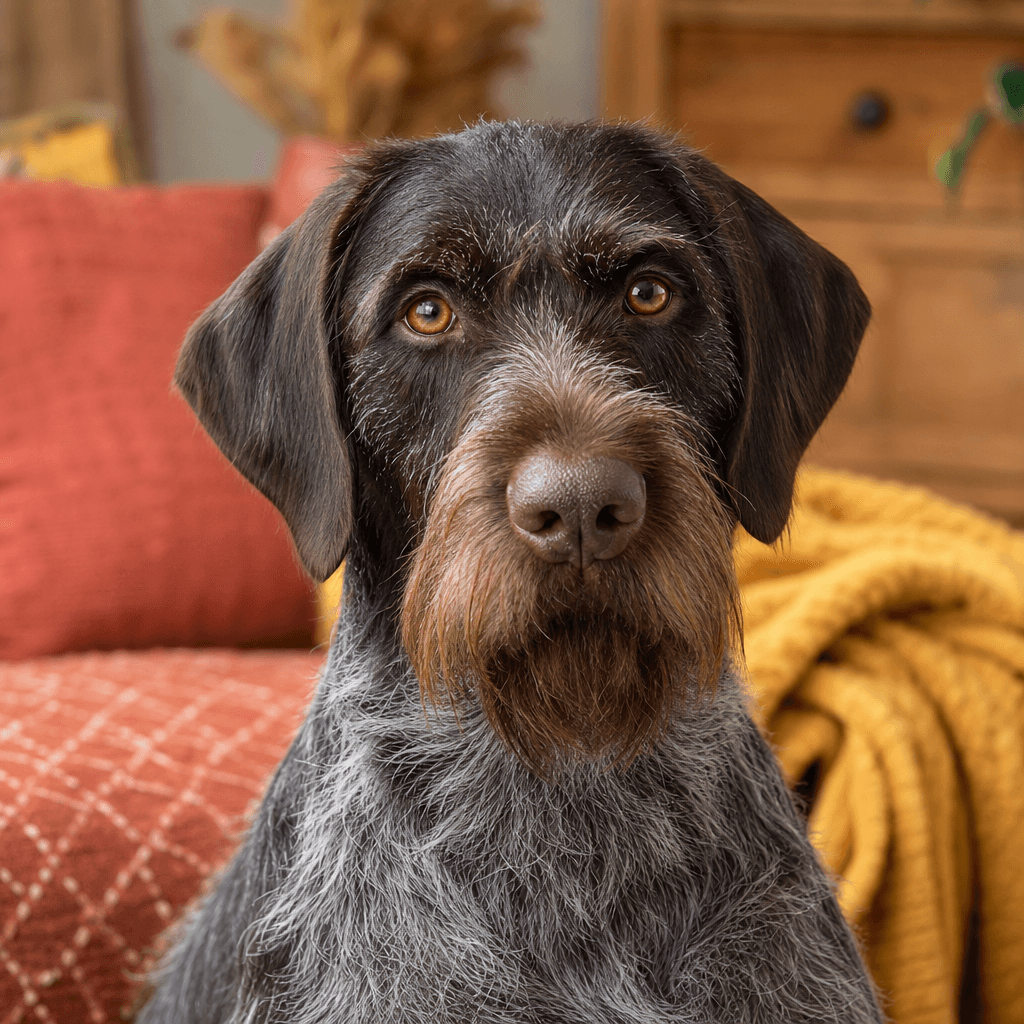
Is a German Wirehaired Pointer right for you?
17 quick questions
Question 1of 17
On a typical weekday, how much real exercise can you give a dog?
The ideal answer: 90–120+ minutes, split into real workouts
That’s the sweet spot for a GWP. With your plan, you can cycle in runs, field drills, and vigorous play so the dog comes home satisfied instead of restless. Dogs in homes like yours stay focused in training and relaxed indoors.
Question 2of 17
Beyond walks, what mental work will you offer?
The ideal answer: Hunting or dog sports (field work, tracking, nose work) several times a week
Perfect. You’re speaking this breed’s language, and that structure channels drive into skills. Expect a calmer housemate and a partner who becomes shockingly biddable once it knows how to win the game you’re playing together.
Question 3of 17
Which best describes where you live and how the dog would be contained?
The ideal answer: House with a large, secure 6-ft fenced yard
Great choice. A secure yard gives you a training field for recalls, steadiness, and fetch without testing your leash laws. You’ll still plan real workouts, but the fence buys sanity between them.
Question 4of 17
What’s your plan for keeping a bird-mad athlete with legs on the ground?
The ideal answer: Secure fence, long-line work, and ongoing recall training
That’s the mature plan. With layers of safety, you can build a rock-solid recall through staged distractions and still give your dog the freedom to run. Owners who do this rarely deal with scary “gone over the hill” moments.
Question 5of 17
Any small pets at home now—or likely soon?
The ideal answer: No cats or small pets
That’s the easiest path. Without tiny housemates to trigger chase, you can focus on wildlife-proofing outside and impulse control games inside. Life gets simpler for everyone.
Question 6of 17
What’s the household vibe with children?
The ideal answer: Adults or teens who enjoy training
Nice fit. Older handlers can help burn energy and keep rules consistent, which brings out the breed’s best manners. Expect a shadow dog who chooses favorite people and takes the job seriously.
Question 7of 17
How do you approach training a strong-willed working dog?
The ideal answer: I’m experienced with drivey breeds and train daily with rewards
Perfect match. Your timing and consistency will channel intensity into polished behaviors—steadiness, recall, and manners. You’ll enjoy the dog you’ve built as much as the miles you’ve logged together.
Question 8of 17
How long would your dog be alone on a normal workday?
The ideal answer: Rarely alone—someone’s home or can take the dog along
Great. Presence plus exercise is the recipe for a settled wirehair. Expect a devoted partner who spends off-hours asleep at your feet.
Question 9of 17
What do you actually want to do together?
The ideal answer: Run, hike, or bike hard most days; weekends in the woods
Bullseye. That lifestyle keeps a GWP tuned and happy, and it gives you a partner who can go sunrise to sunset. Just add conditioning and heat management, and you’ve got your co-pilot.
Question 10of 17
How do you feel about wet dogs, muddy beards, and towels by the door?
The ideal answer: Love it—hose, towels, and a dog bath are ready
You’re set for this breed’s happiest days. Rinse after swims, dry the ears, and comb out burrs so the coat stays functional. With your attitude, the mess becomes part of the fun instead of a fight.
Question 11of 17
Be honest: what grooming routine fits your life?
The ideal answer: Weekly brushing plus hand-stripping or a pro groom every few months
Perfect. That schedule keeps the coat functional, reduces shedding, and avoids the soft, fuzzy look. Add quick beard wipes and ear checks and you’ve nailed GWP maintenance.
Question 12of 17
Shedding and trail souvenirs in the house—where do you stand?
The ideal answer: Fine—lint rollers and a robot vacuum are standard
Great outlook. Toss a washable throw on favorite furniture, schedule the robot vacuum, and you’ll barely notice the wires. The trade buys you a hardy, go-anywhere companion.
Question 13of 17
What weather will your GWP live and work in?
The ideal answer: Cool or temperate climate; I’m out in all weather
Ideal. Your GWP’s coat will shine in drizzle and cold, and you’ll get more months of prime work. You’ll still watch paws and hydration, but weather won’t slow you much.
Question 14of 17
How much barking can your situation tolerate?
The ideal answer: Some watchdog bark is fine; I’ll train a quiet cue
Good balance. With real exercise and reinforcement for quiet, most GWPs keep their commentary to useful alerts. You’ll redirect that energy into work instead of window duty.
Question 15of 17
An unexpected $1,000–$2,000 dog expense (vet, training, travel) would be…
The ideal answer: Covered—savings or pet insurance in place
Smart planning. For a GWP, a solid budget or policy means eye/ear issues, dental needs, and sprains stay inconveniences instead of crises. Insure early, before any problems become exclusions.
Question 16of 17
What role do birds and field work play in your plans?
The ideal answer: I hunt upland/waterfowl or train for it regularly
Perfect fit. Field time channels everything this dog is into something constructive, and the house manners follow. Join a local club and you’ll have mentors and grounds to train on.
Question 17of 17
How will you choose where your GWP comes from?
The ideal answer: Only from health-tested, working lines or a vetted rescue
That’s the way. You’ll get a clearer picture of drive, stability, and health, plus mentorship for training. The upfront homework pays dividends for the next decade.
Your result
Answer the 17 questions above and your match score appears here.