German Spitz Match Quiz
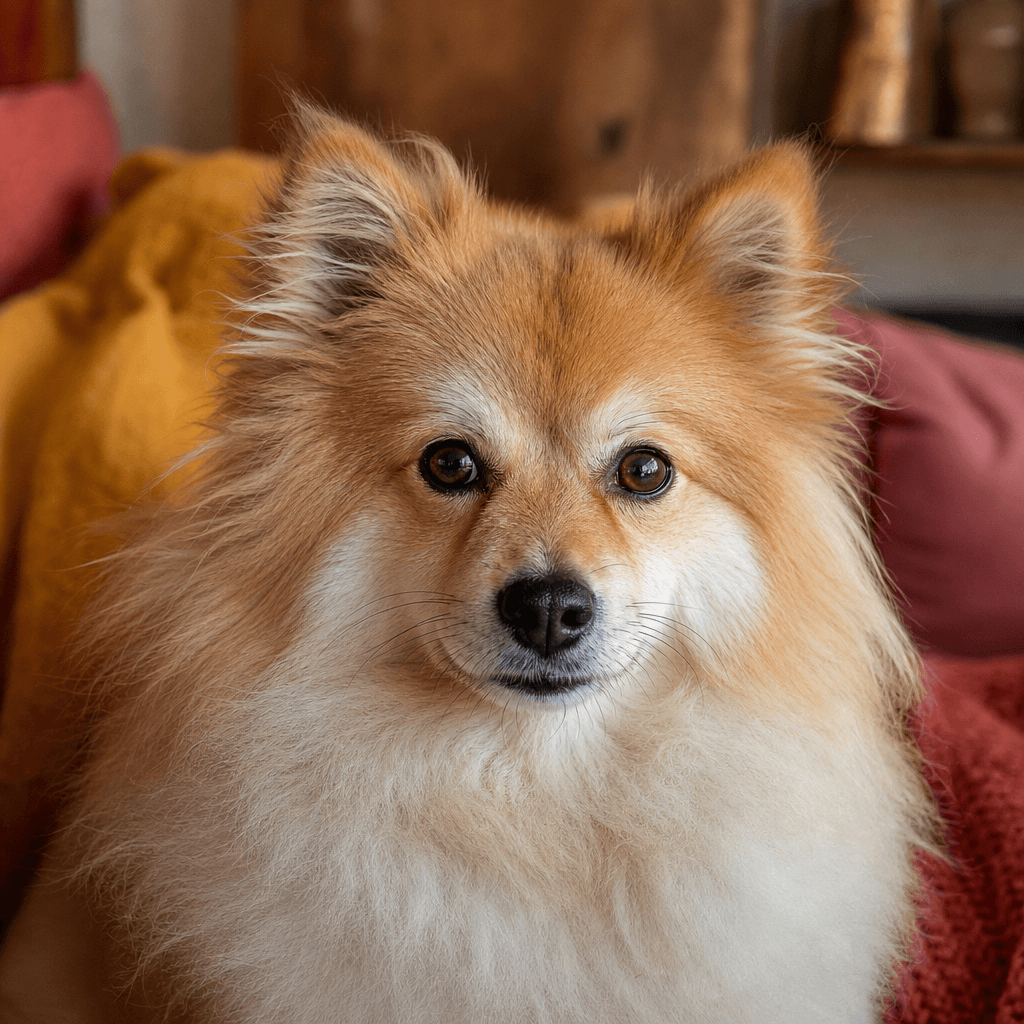
Is a German Spitz right for you?
13 quick questions
Question 1of 13
What kind of exercise rhythm do you want to keep?
The ideal answer: Two brisk 20–30 minute walks plus play/training
Perfect — that’s the bullseye for a German Spitz. With solid daily walks and a little brain work, this breed channels its spark into good manners and settles nicely at home. Add a few short training games and you’ll see just how clever that foxy face really is.
Question 2of 13
What’s home base?
The ideal answer: An apartment — I’m ready to train and soundproof
Great — a Spitz can be a terrific city dog when you plan for the voice. White-noise machines, window film, and early “quiet/thank you” training make apartment life smooth, and exercise needs fit neatly into leash walks. Your prep turns the bark into a feature, not a feud.
Question 3of 13
How do you feel about a naturally vocal watchdog?
The ideal answer: I’m fine with alert barking and will train a quiet cue
Perfect attitude. We’ll put that voice on a light switch: mark a few barks with “thank you,” then cue “enough” and pay silence. Pair it with good windows, white noise, and enrichment, and you’ll keep the watchdog talent without the constant play-by-play.
Question 4of 13
How does 2–3 thorough brushes a week sound (daily during shedding)?
The ideal answer: No problem — I keep a brush by the couch
Love it. A pin brush, slicker, and metal comb will keep the coat in great shape, and those sessions are when you’ll spot burrs, hot spots, or foxtails early. During seasonal blowouts, switch to quick daily passes and a deshedding rake so the undercoat lands in the bin, not your vents.
Question 5of 13
Dog hair on clothes and furniture…
The ideal answer: Small price for the plume
That’s the spirit. A robot vacuum on a daily run and a designated couch blanket make shedding a background detail. During seasonal blowouts, a high‑velocity dryer (or groomer who has one) is a miracle — ten minutes can replace hours of loose fluff.
Question 6of 13
How do you like to train a smart, opinionated dog?
The ideal answer: Short, positive sessions and I enjoy tricks
You’re speaking their language. Five‑minute games, food rewards, and novelty will unlock a stunning repertoire — from impulse‑control to circus tricks. That fun-first approach also builds the bond that makes your “quiet” and recall cues matter when it counts.
Question 7of 13
Your plan for socializing a naturally alert, sometimes reserved breed?
The ideal answer: I’ll actively socialize from day one
Perfect — controlled meet‑and‑greets, treat‑tossing to guests, and happy field trips grow a confident, polite watchdog. Pair that with cooperative care at home (handling paws, teeth, and ears) and you’ll breeze through real‑world moments like groomer visits.
Question 8of 13
What’s the kid situation at home?
The ideal answer: Adults only or calm teens
Easy match. A predictable household lets a Spitz relax into its best self — attentive, funny, and ready to train. You’ll get the full charm offensive without having to referee boisterous play.
Question 9of 13
What animal roommates would your Spitz have?
The ideal answer: Another dog and/or a cat, well-managed intros
Nice — that’s a common, successful setup. Do slow, scent‑first introductions and supervise early play while you teach calm behavior. Once house rules are clear, most Spitz enjoy a buddy and even enlist them in hallway patrols.
Question 10of 13
How do you picture your dog’s time off leash?
The ideal answer: Fenced yard or long line; recall trained with rewards
Perfect plan. That setup lets your Spitz sprint and sniff without gambling on traffic or squirrels, while recall games build real-world reliability. Many owners keep this arrangement for life and never miss the off‑leash stress.
Question 11of 13
On a typical weekday, your dog would be alone…
The ideal answer: Rarely — someone’s around most of the day
Lovely — that access to people lets a Spitz relax and simply be your shadow. You’ll see fewer protest barks and easier manners when presence is the norm. Expect a very devoted little sidekick.
Question 12of 13
Your local climate is mostly…
The ideal answer: Cool/temperate with real winters
Perfect — this is where the coat shines. You’ll get joyous snow zoomies and an easy grooming rhythm outside of the spring/fall molts. A rinse and dry after salty walks is the main extra chore.
Question 13of 13
An unexpected $800 vet or grooming month would be…
The ideal answer: Covered — savings or insurance in place
Excellent. With a cushion, the occasional dental, patella check, or eye consult stays a hiccup, not a crisis. Lock in insurance young (before anything is “pre‑existing”) and you can focus on fun instead of bills.
Your result
Answer the 13 questions above and your match score appears here.