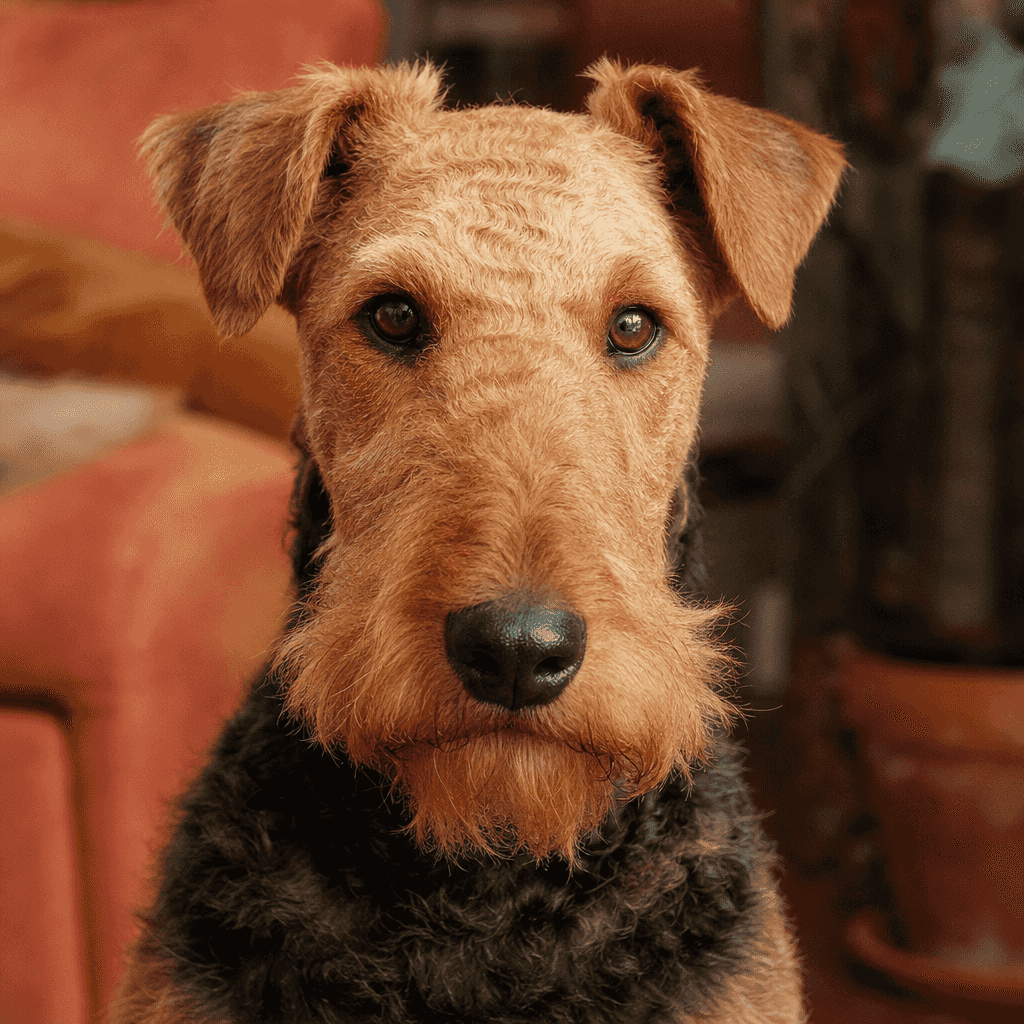
German Pinscher Match Quiz
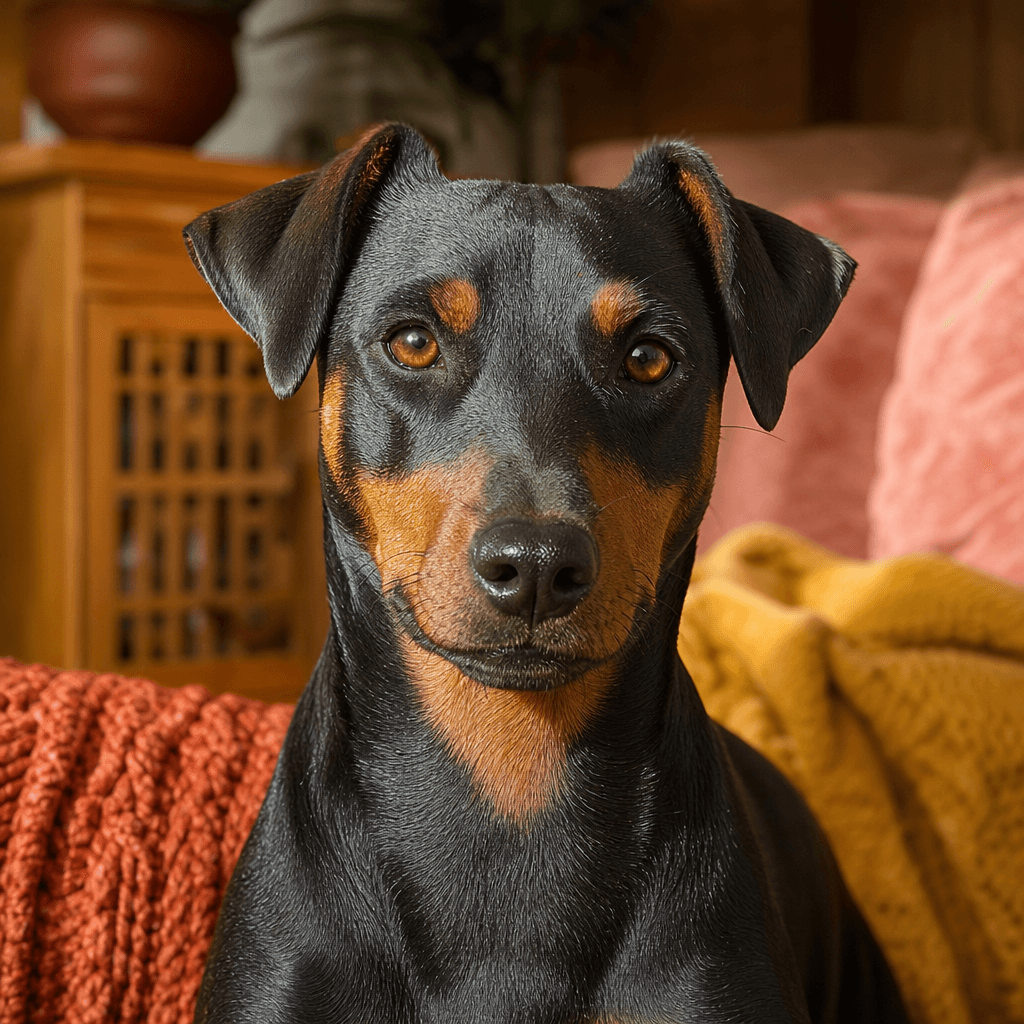
Is a German Pinscher right for you?
15 quick questions
Question 1of 15
How active are you most days?
The ideal answer: I’m out daily — runs, hikes, fast walks
Perfect — this breed is built to keep up. With a sensible conditioning plan and good leash manners, a German Pinscher makes a fantastic running or hiking partner. Add 10–15 minutes of training games after workouts and you’ll see the calm, cuddly side come out at home.
Question 2of 15
Where will this dog spend most of its time?
The ideal answer: House with a securely fenced yard
Great — a safe yard makes life easier without replacing walks. Use it for recall practice, toy games, and training between outings, and make sure the fence is solid and 5–6 feet; this is a springy, chase-prone athlete. With structure, the yard becomes a classroom, not just a bathroom.
Question 3of 15
What’s your preferred outlet for a dog’s energy?
The ideal answer: Structured runs, fetch, agility or obedience
Bullseye — that’s the German Pinscher sweet spot. Keep sessions upbeat and short, mix in impulse-control drills, and you’ll see a quick learner who loves to show off. These dogs excel when the activity has rules and a job to do.
Question 4of 15
When a smart, willful dog pushes back, you…
The ideal answer: Stay calm, consistent, and train with rewards
Excellent — that’s exactly how this breed learns. Short, focused sessions and high-value rewards keep a Pinscher engaged, and your steady rules prevent the daily negotiations they love to start. You’ll enjoy the process as much as the results.
Question 5of 15
Your ideal stranger policy at the door is…
The ideal answer: A confident watchdog who settles on cue
That’s a great fit. Teach a go-to-mat routine and reward quiet after one or two barks, and you’ll have a solid alarm system without a meltdown. Your dog gets a job, your guests get to breathe — everybody wins.
Question 6of 15
How much watchdog barking can your home handle?
The ideal answer: Some barking is fine — we’ll train a quiet cue
Perfect — that attitude makes a big difference. Mark and reward silence after the first alert, and give your dog a job like going to a mat when the doorbell rings. With practice, you’ll keep the watchdog feature without living in a soundtrack.
Question 7of 15
What’s your plan for yard time and off-leash freedom?
The ideal answer: Solid 5–6 ft fence and long-line for training
Excellent — that’s exactly the setup this breed needs. Use the yard for recall drills and decompression, and keep the long line on until your dog proves bombproof around wildlife. Safety first lets you enjoy that athleticism without white-knuckle moments.
Question 8of 15
Any small pets or cats in the home?
The ideal answer: No cats or small pets
That’s the easiest path. Without small prey-typed housemates, you can channel that drive into toy play, scent games, and sports without worrying about indoor conflicts. It also makes management at doors and stairs much simpler.
Question 9of 15
Who will be sharing the space?
The ideal answer: Adults and/or kids 8+ who follow rules
Great match. Teach polite greetings, no rough play, and how to park the dog on a mat during homework or meals. In homes like this, Pinschers become devoted shadows and enthusiastic teammates.
Question 10of 15
On a typical weekday, the dog would be alone…
The ideal answer: Rarely — someone’s around most of the day
Ideal. A German Pinscher will nap, supervise, and match your rhythm, then be ready to move when you are. You’ll still want a pre-work walk and a few mini training breaks to keep the engine purring.
Question 11of 15
How much time will you put into training games or dog sports?
The ideal answer: Weekly class or sport plus daily mini-sessions
Fantastic — that’s this breed’s happy place. Rotate skills (heeling, stays, tricks, nosework) and you’ll watch the off-switch appear at home. Dogs with this routine are the ones everyone compliments in public.
Question 12of 15
Your grooming expectations are…
The ideal answer: Weekly brush and routine care is easy
Perfect — that’s the whole program. A rubber curry or grooming mitt plus nail and dental care keeps a Pinscher looking sharp. The time you save here can go straight into training and exercise.
Question 13of 15
Your winters and summers look like…
The ideal answer: Temperate, or I use coats/booties and plan walks
Great — you’ve got the system this breed needs. In winter, a fitted coat and short sessions keep things pleasant; in summer, shift workouts to cool hours and bring water. With that care, weather stops being a limiter.
Question 14of 15
An unplanned $1,000 training or vet expense would be…
The ideal answer: Covered — savings/insurance are set
Smart — you’ll be able to act fast when it matters. Consider pet insurance early to lock in coverage before anything is labeled pre-existing, and earmark funds for classes and sport entry fees. Prepared owners get to focus on care, not calculators.
Question 15of 15
What’s your vision for life with other dogs?
The ideal answer: Solo dog or well-matched opposite-sex companion
That’s a solid plan. Slow introductions, parallel walks, and clear house rules keep harmony high. You’ll get the best of the breed without forcing them into chaotic group play.
Your result
Answer the 15 questions above and your match score appears here.