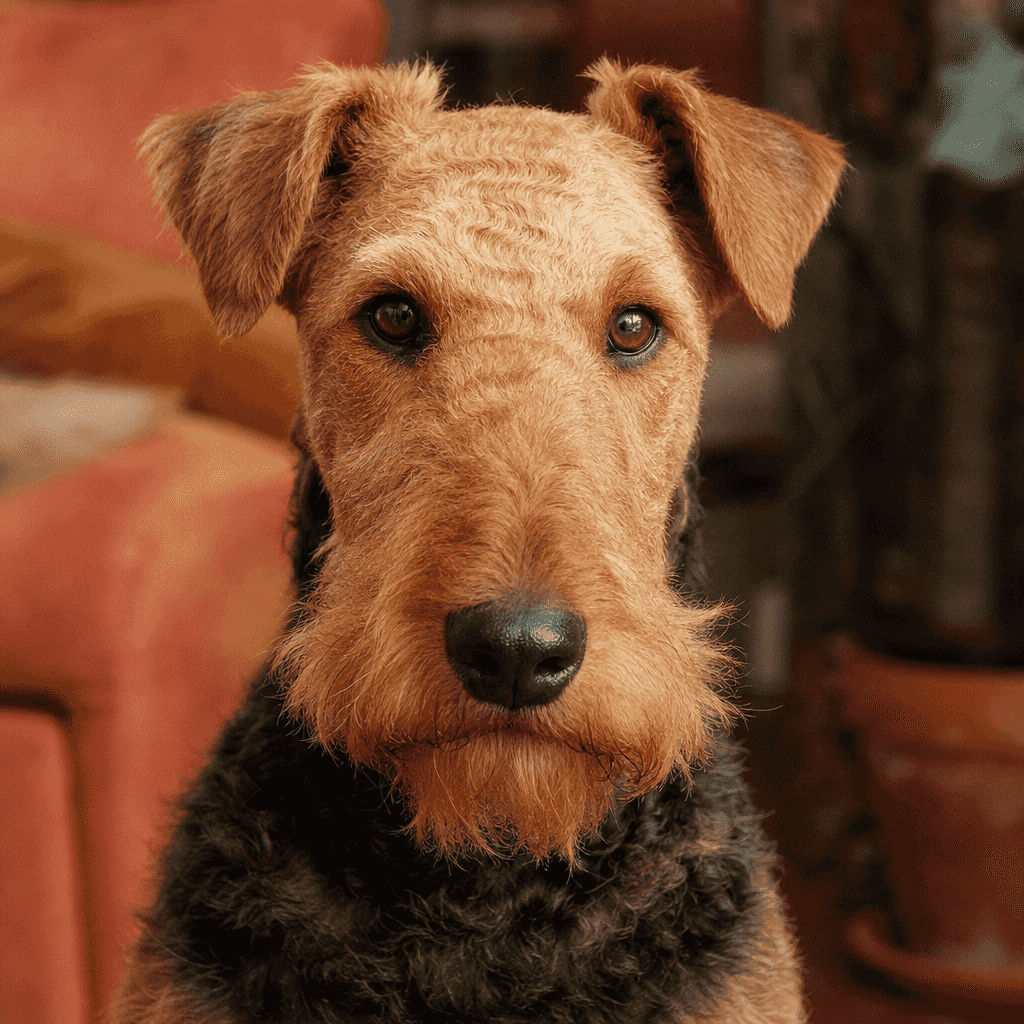
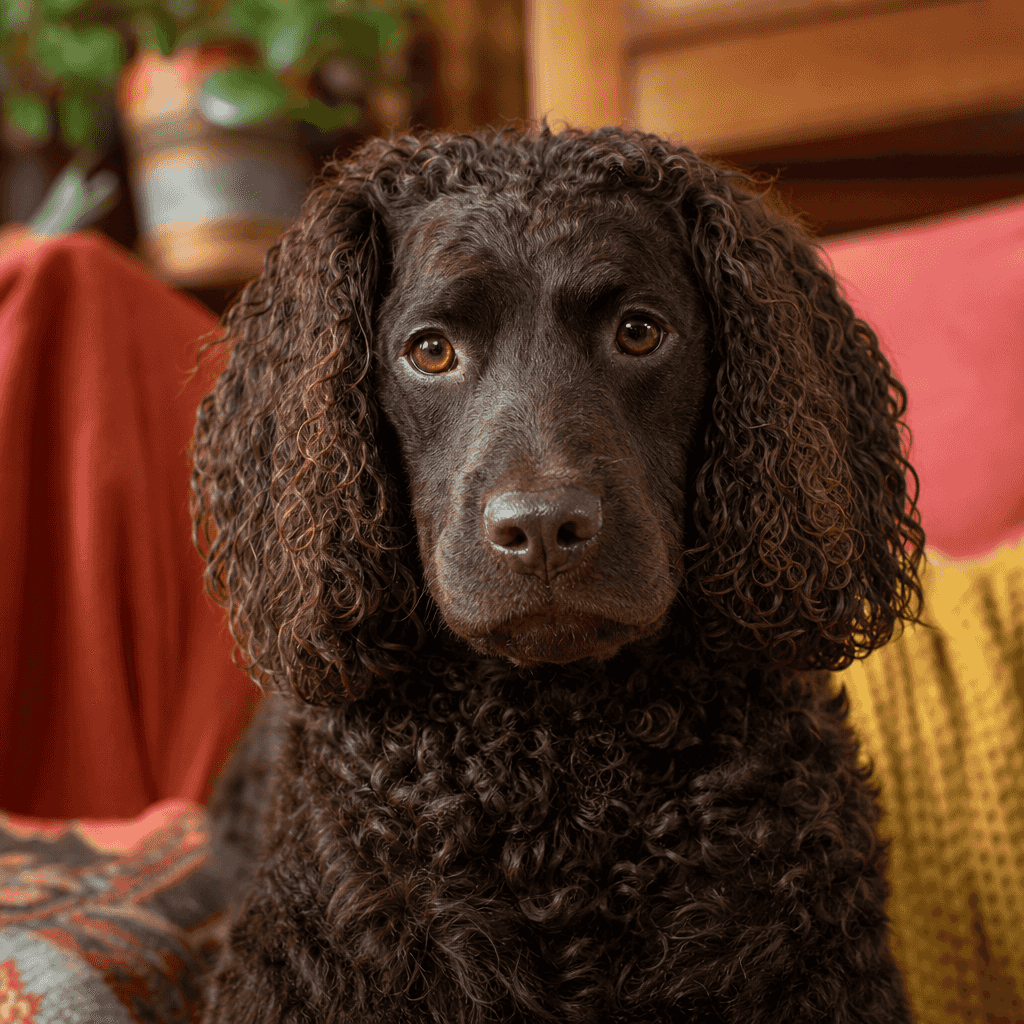
German Longhaired Pointer Match Quiz
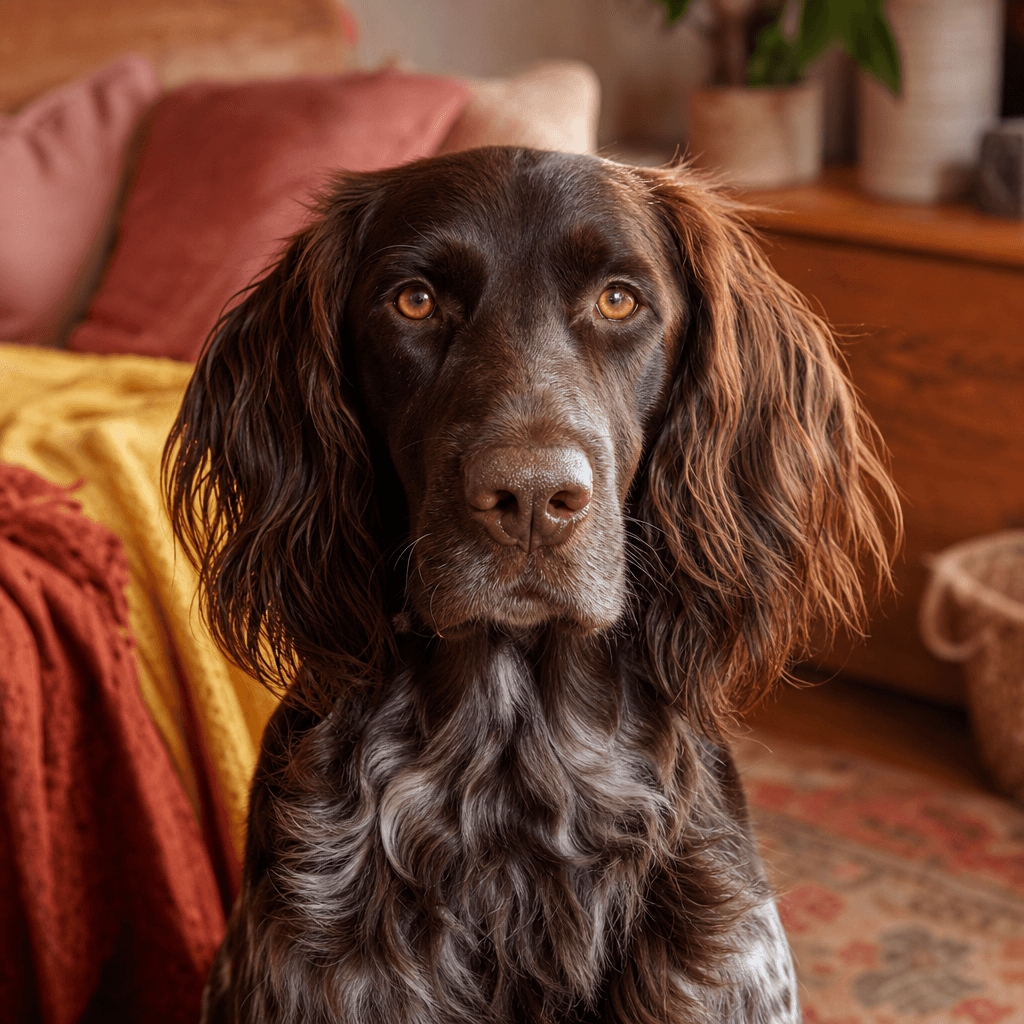
Is a German Longhaired Pointer right for you?
14 quick questions
Question 1of 14
How much purposeful exercise will you provide?
The ideal answer: 90+ minutes daily, with running or field work
That’s the commitment this breed blossoms under. With a long run, vigorous off-leash search in safe spaces, and a bit of training, a GLP comes home content and easy. Keep rest days active-light with sniff walks, and you’ll see the best of this dog’s biddable nature.
Question 2of 14
What “job” will your dog have?
The ideal answer: Hunting or weekly field sports (hunt tests, tracking, nosework)
Perfect. You’re speaking this breed’s native language, and the payoff is huge: easier manners at home, a deep partnership in training, and a dog that sleeps like a stone after real work. Field days also give you a community that makes the learning curve fun.
Question 3of 14
What’s home base?
The ideal answer: House with a yard or easy access to fields
That suits this breed well. The yard won’t replace real exercise, but it’s great for training reps, decompression, and quick bathroom breaks. Pair it with daily outings and you’ve got an ideal setup.
Question 4of 14
How will you handle that built-in prey drive outside?
The ideal answer: Long line or fenced fields until recall is proofed
Smart plan. Using a long line, high-value rewards, and wildlife-aware routes keeps everyone safe while you build a rock-solid recall. You’ll prevent bad habits and turn the outdoors into a classroom, not a chase scene.
Question 5of 14
What best describes your approach to training?
The ideal answer: Calm, consistent, reward-based
That’s exactly what this breed thrives on. Short, upbeat sessions and clear criteria will have your GLP offering behaviors with tail wags and eye contact. You’ll get steadiness in the field and manners at home without denting trust.
Question 6of 14
Your background with high-drive dogs?
The ideal answer: I’ve trained or hunted with pointing/retrieving breeds
Great — you already speak the language. You’ll likely enjoy polishing steadiness, lining, and tracking with a dog that’s built for it.
Question 7of 14
Be honest: brushing and post-adventure cleanup?
The ideal answer: Brush 3–4x/week, de-burr after fields, clean/dry ears
Perfect. That level of care keeps the coat beautiful and comfortable, prevents ear problems, and turns mud into a non-issue. A metal comb, a slicker, and a quick ear rinse/dry routine are your best friends.
Question 8of 14
Dog hair and muddy pawprints?
The ideal answer: Bring it on — I own a good vacuum
That attitude makes life easy. A doormat, a towel by the door, and a weekly brush keep the chaos civilized — and your dog gets to be a dog.
Question 9of 14
Your local climate and how you’ll adapt exercise:
The ideal answer: Cool/temperate most of the year
Ideal. You can work the dog hard without battling the thermometer, and water retrieves become safe conditioning. Winter is prime time for longer midday outings.
Question 10of 14
On a normal weekday, time alone is…
The ideal answer: Rare — someone’s usually around or I use a walker
Great — this breed values company and routine. With a pre-work workout and a check-in, you’ll come home to a relaxed dog instead of a demolition crew.
Question 11of 14
Who’s around and how lively is the home?
The ideal answer: Adults/teens who like training and long outings
That’s a strong fit. Expect a shadow in the kitchen, a partner on the trail, and a dog that learns your routines fast. Shared training makes everyone’s life easier.
Question 12of 14
Any critters that move like prey?
The ideal answer: No small pets; maybe a dog-savvy cat
That’s ideal. With careful introductions and clear rules, many GLPs learn to ignore the household cat and save their intensity for legal game.
Question 13of 14
How much alert barking can your setting absorb?
The ideal answer: Detached home — some barking is fine
Great — a little watchdogging won’t ruffle feathers. Keep the dog tired and practice quiet-for-treats at the window, and alerts stay brief.
Question 14of 14
An unexpected $1,200 bill or ongoing training fees would be…
The ideal answer: Planned for — savings or pet insurance in place
You’re set up for success. Insurance started young and a vet fund turn eye/ear issues, injuries, or a surprise surgery into solvable problems. That peace of mind lets you focus on training and fun.
Your result
Answer the 14 questions above and your match score appears here.