Dutch Shepherd Match Quiz
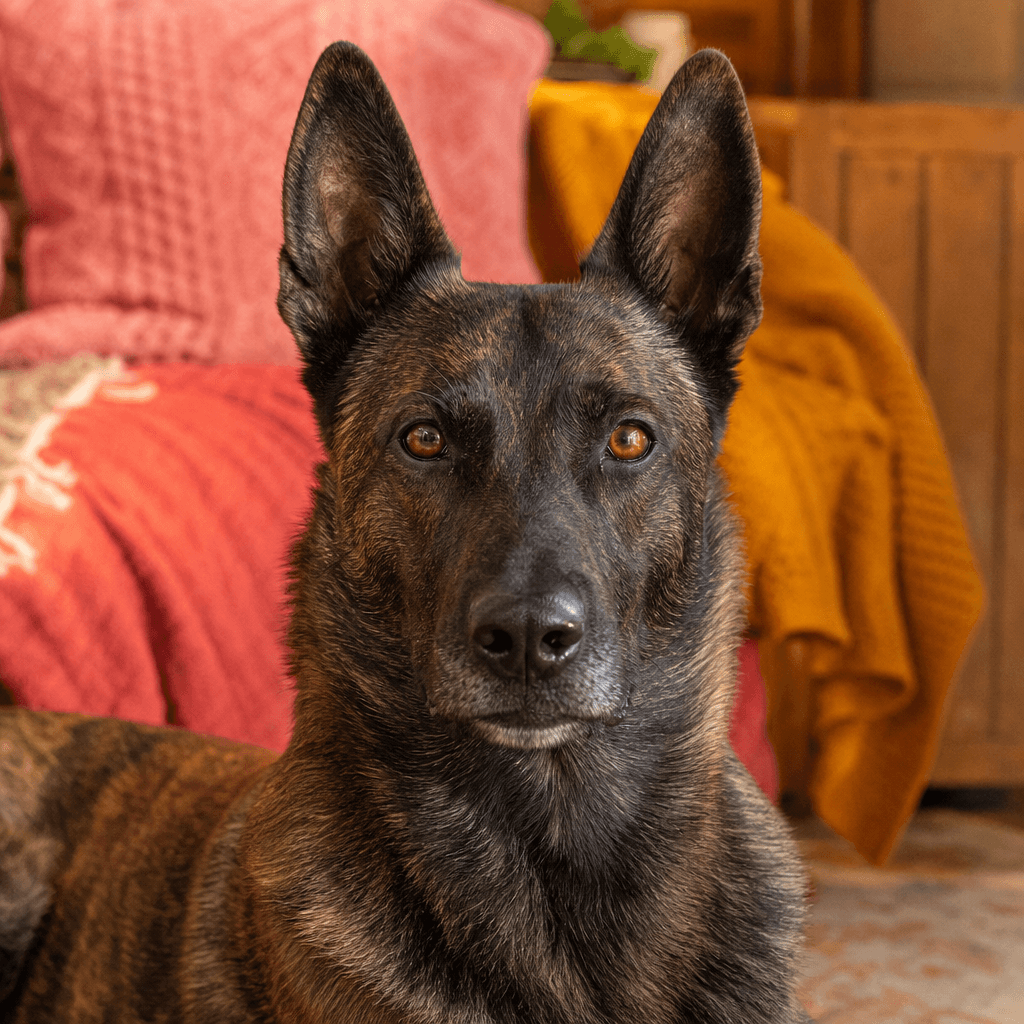
Is a Dutch Shepherd right for you?
16 quick questions
Question 1of 16
How much real exercise will happen most days?
The ideal answer: 90–120 minutes of real work (running, fetch, training)
That’s the sweet spot for this breed. With a solid hour or two of structured exercise and training, a Dutch Shepherd settles beautifully at home and channels that drive into you instead of the couch. Plan on mixing cardio with obedience or games that make the brain work.
Question 2of 16
Where will this dog live and play?
The ideal answer: House with a secure yard
Perfect. A fenced space won’t replace training or walks, but it gives you an easy place for short training bursts, tug, and decompression. Just expect to be out there with your dog — Dutchies play with people, not alone.
Question 3of 16
Where will all that brainpower go?
The ideal answer: Weekly sport (agility, IGP, nose work) plus daily practice
That’s exactly what lights this breed up. With regular classes and short daily reps, you’ll get a tuned‑in partner who learns fast and loves the work. Expect the bond to deepen in step with your training habit.
Question 4of 16
What’s your background with high‑drive dogs?
The ideal answer: I’ve trained working/herding dogs in sports or serious obedience
Great — you already speak this breed’s language. With your timing and structure, you’ll find the Dutchie’s balance of biddability and push fun to channel. Expect to invest in proofing around distractions — they learn fast, but they test honestly.
Question 5of 16
What’s your approach to raising a steady adult?
The ideal answer: I have a checklist and weekly outings planned
Perfect — that’s how you build the solid nerves this breed is famous for. Pair calm exposure with neutrality training so your dog learns to work around distractions without needing to greet everything. Keep it steady through adolescence when many dogs wobble.
Question 6of 16
Who’s in the mix at home?
The ideal answer: Adults/teens, predictable routine
Ideal. A steady home lets you channel energy into training and sport instead of constant management. Expect a focused shadow who settles well after work and happily watches you between sessions.
Question 7of 16
Any cats, small pets, or livestock in the picture?
The ideal answer: No small pets; dog‑savvy household
That’s the easiest path. You can focus on manners and training without juggling management around prey triggers. Expect to supervise early play with other dogs until rules and impulse control are fluent.
Question 8of 16
On a typical weekday, the dog would be alone…
The ideal answer: Rarely — someone’s home or we have midday help
Great. With human contact spaced through the day, your Dutchie will relax between sessions instead of stewing. Add a stuffed Kong or sniffy scatter to make departures boring.
Question 9of 16
How do you feel about heavy seasonal shedding?
The ideal answer: It’s fine — I’ll brush weekly and vacuum often
Perfect attitude. A slicker or pin brush plus a de‑shedding tool during coat blows keeps things sane, and rough coats look best with occasional hand‑stripping. Expect hair on black pants and plan accordingly.
Question 10of 16
How proactive can you be about screenings and surprise bills?
The ideal answer: I have insurance or savings and will seek health‑tested lines
Excellent — that’s how you keep a working dog thriving. Verify hip/elbow results, keep your dog lean and fit, and insure early to cover accidents and the occasional specialist visit. Preventive care is cheaper than fixing problems later.
Question 11of 16
Your local climate is…
The ideal answer: Temperate or cool — winters don’t scare me
Great match. This breed handles cool weather well with normal precautions for ice and paw care. You’ll get more daylight training windows and a happier athlete.
Question 12of 16
What keeps your dog safely at home?
The ideal answer: 6‑ft solid fence; gates latched; crate trained
Ideal. That gives you a safe space for training reps and decompression without escape drama. Crate skills also help with travel, vet visits, and impulse control at home.
Question 13of 16
What are you picturing on hikes?
The ideal answer: Long‑line first; recall proofed before freedom
That’s the responsible route. With systematic recall work and distraction proofing, you’ll earn real off‑leash privileges and keep wildlife and trail users safe. Expect to maintain the habit with regular tune‑ups.
Question 14of 16
How much alert barking can your setting handle?
The ideal answer: Some barking is fine — I’ll train a quiet cue
Perfect. You’ll channel that natural alertness into a brief ‘thank you’ and calm. Pair it with good enrichment and exercise so boredom barking never starts.
Question 15of 16
Bikes, joggers, skateboards — what’s your plan?
The ideal answer: I’ll actively train neutrality and engagement
Great — pattern games, treat‑and‑retreat, and strategic distance build calm around triggers. With reps, your dog will default to you instead of the motion, making city walks and trails pleasant.
Question 16of 16
How do you feel about tug, fetch, and teaching soft mouths?
The ideal answer: I enjoy structured games and teaching rules
Perfect — you’ll turn tug and fetch into paychecks for good behavior. Clear start/stop cues and trading for food keep arousal in the sweet zone and mouths respectful.
Your result
Answer the 16 questions above and your match score appears here.