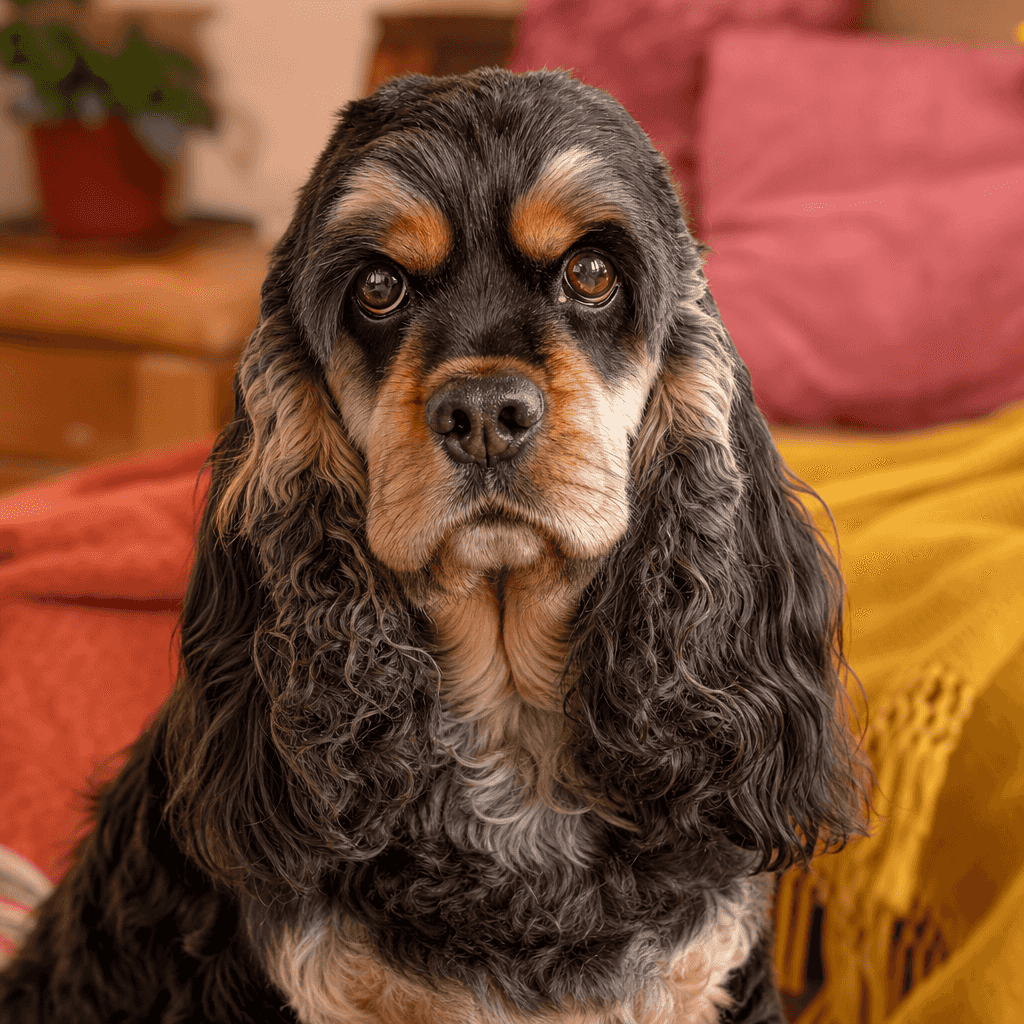
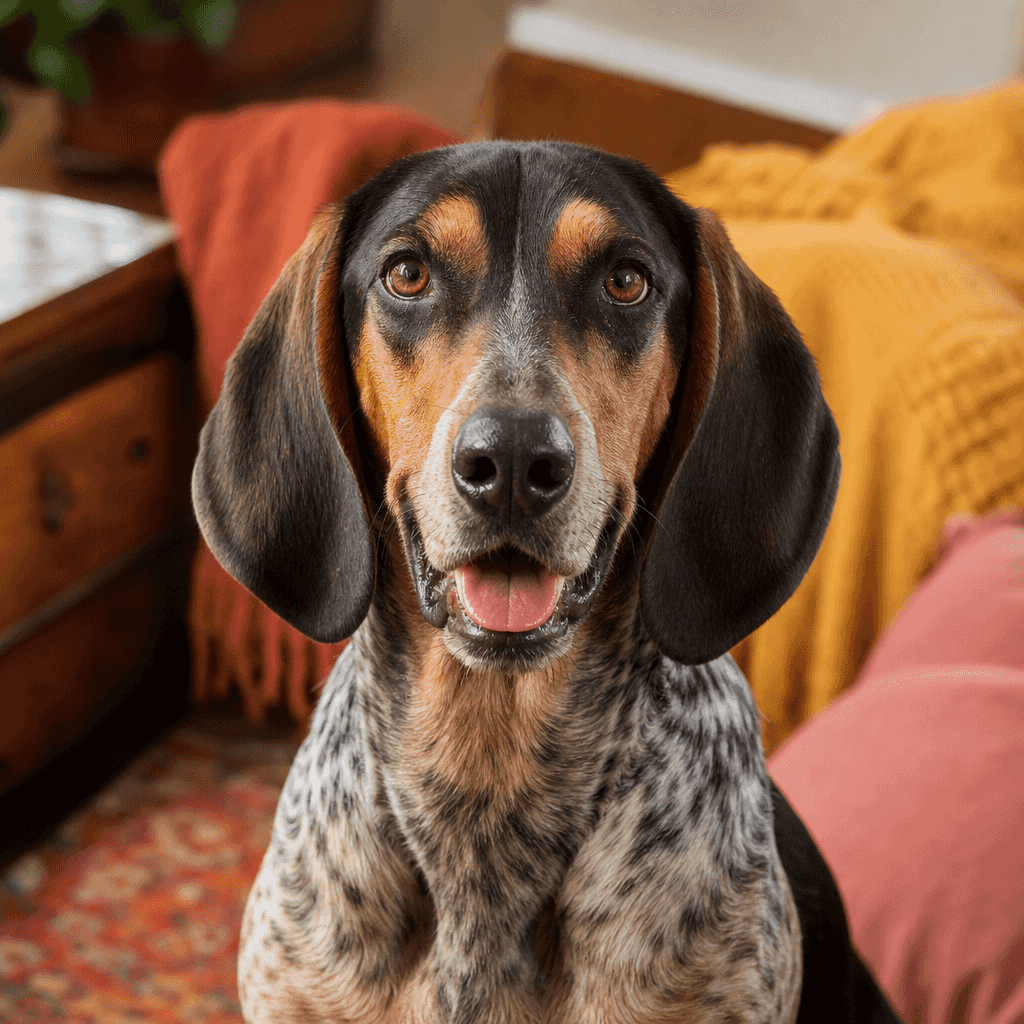
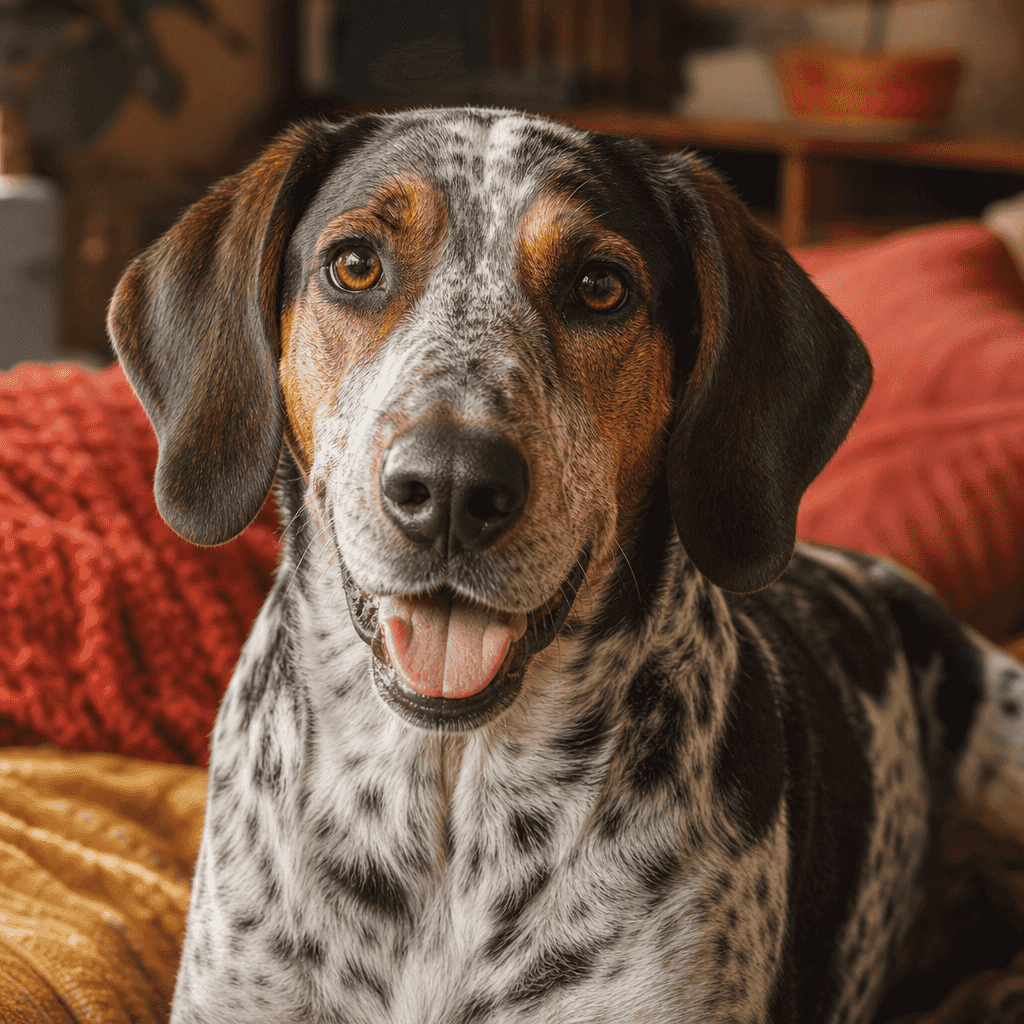
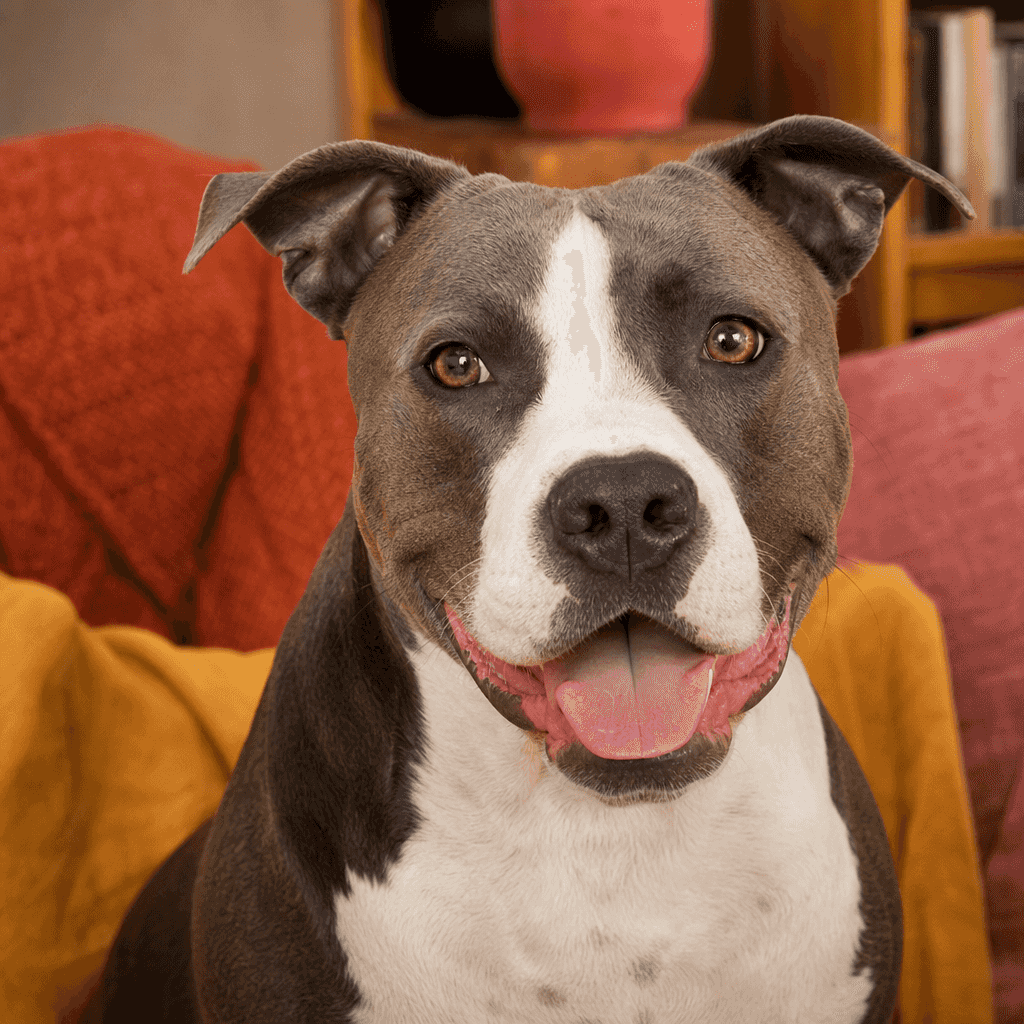
Drever Match Quiz

Is a Drever right for you?
15 quick questions
Question 1of 15
What does an ideal weekend with your dog look like?
The ideal answer: Long hikes, woods time, and a purposeful walk daily
Perfect — that’s the Drever’s lane. With one to two hours of mixed walking, hiking, or field time (plenty of it on a loose, sniff-friendly pace), this hound will be content and cuddly at home. Build in a few sniff-stops and you’ll see the best version of the breed.
Question 2of 15
Where will this dog spend most of its time?
The ideal answer: House with a securely fenced yard
Lovely — a fenced yard makes bathroom breaks and short sniff sessions easy. Just remember yards are not workouts for a Drever; plan real walks and field time, and use the fence to keep that powerful nose from turning into a neighborhood tour.
Question 3of 15
How do you feel about a dog that ‘gives tongue’ (bays) when excited or on scent?
The ideal answer: I like a talkative hound — it’s part of the charm
Great — you’ll appreciate the Drever’s musical side. Channel it with plenty of nose work and teach cues like “enough” and “settle” so you can dial it down when needed. With needs met, most Drevers reserve their big voice for real reasons.
Question 4of 15
Off-leash expectations in unfenced areas?
The ideal answer: I’ll use long lines/fenced areas and proof recall patiently
Perfect mindset for a scenthound. Long lines let the dog do real work safely while you build a recall that survives wildlife and wind. Add a distinctive recall cue and high-value rewards, and you’ll get reliable-enough freedom in the right places.
Question 5of 15
What small animals share your orbit?
The ideal answer: No small pets at home
That’s the simplest setup for a scenthound. You’ll still manage wildlife triggers outdoors, but inside life stays easy. It lets you focus training energy on recall and manners instead of cat diplomacy.
Question 6of 15
What kind of training relationship do you want?
The ideal answer: Positive, patient, and I like short, fun sessions
Perfect — that’s how a Drever shines. Use scent-based rewards, five-minute sessions, and lots of real-life reinforcement (sniff breaks as payment). You’ll get a responsive, mannerly hound who still thinks for itself.
Question 7of 15
How often will you do hunting or nose-forward activities?
The ideal answer: Weekly hunting or nosework sessions
Excellent — a weekly “real job” keeps this breed balanced. Rotate activities (tracks, trails, searches) and you’ll see calmer behavior at home, faster training progress, and less random baying.
Question 8of 15
Grooming comfort check: ears, nails, and a quick brush?
The ideal answer: I’m comfortable with basic grooming at home
Perfect. A weekly five-minute brush, ear checks after muddy or wet days, and monthly nail trims keep a Drever in great shape. Add a tick check after woods time and you’ll avoid most vet visits in this department.
Question 9of 15
Dog hair on clothes and floors?
The ideal answer: No problem — lint rollers are a way of life
Great attitude. A weekly rubber curry or bristle brush and a robot vacuum keep things tidy, and seasonal blowouts pass quickly. You’ll spend far more time exercising this dog than cleaning it.
Question 10of 15
Your local climate is mostly…
The ideal answer: Cool to cold most of the year
Ideal. A Drever’s coat and pacing shine in chilly weather — just add a reflective vest for dark months. You’ll likely get your best, longest outings in this climate.
Question 11of 15
Describe your household vibe:
The ideal answer: Adults or older kids who handle dogs well
Bullseye. With gentle handling and predictable routines, a Drever settles quickly and becomes a cheerful shadow. Expect easy affection, good house manners, and a dog that’s happy to join whatever you’re doing.
Question 12of 15
On a typical weekday, the dog would be alone…
The ideal answer: Rarely — someone’s usually around
That’s ideal. A well-exercised Drever will snooze the day away if company is nearby and outings happen on schedule. You’ll see their best temperament with this rhythm.
Question 13of 15
How outdoorsy are you, really?
The ideal answer: Weekly hikes/camping and frequent nature walks
Perfect fit. Keep a long line, GPS tag, and high-value snacks in your kit, and you’ll have a focused, happy partner. Expect a calm, content housemate after big trail days.
Question 14of 15
What’s your plan for keeping a scenthound secure?
The ideal answer: Secure 5'+ fence or reliable containment system
Excellent — that’s the single best safety net for a scenthound. Pair it with gate etiquette and ID/GPS and you’ll sleep better when wildlife wanders by.
Question 15of 15
An unexpected $700–$1,200 vet bill would be…
The ideal answer: Covered — savings or pet insurance in place
Great plan. A modest policy on a healthy young dog covers the odd injury, ear issue, or dental without drama. It lets you say yes to treatment instead of hesitating over cost.
Your result
Answer the 15 questions above and your match score appears here.