Drentsche Patrijshond Match Quiz
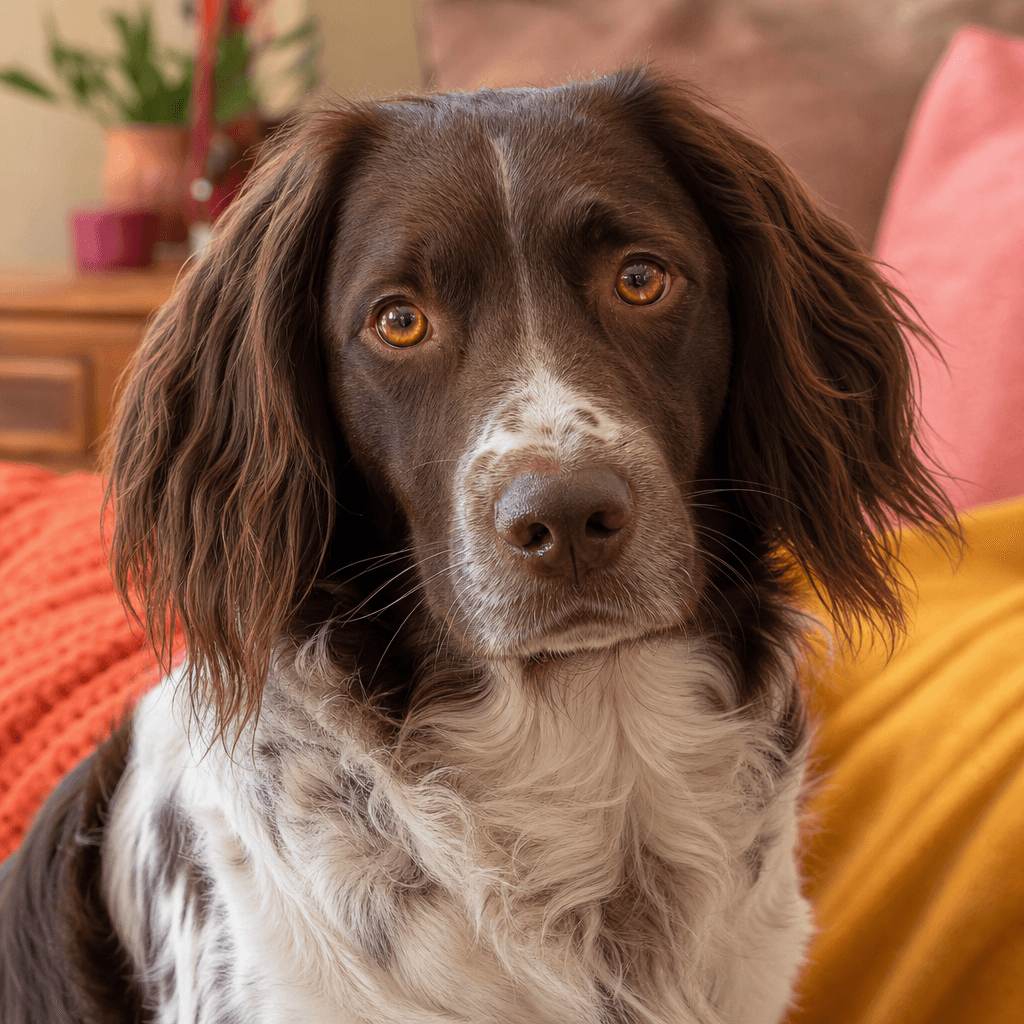
Is a Drentsche Patrijshond right for you?
14 quick questions
Question 1of 14
How much real exercise can you reliably give, most days of the week?
The ideal answer: 90+ minutes of purposeful activity most days
Fantastic — that’s the range where a Drent shines. Split the load between brisk hikes or runs and focused training or field work, and you’ll get a content, cuddly dog at home. This level keeps bodies fit and brains satisfied, which prevents the classic adolescent mischief.
Question 2of 14
What will you do to work that nose and mind on a regular basis?
The ideal answer: Hunt, or train field/nose work weekly
Perfect — giving a Drent its original purpose pays off everywhere else. Regular field training, tracking, or scent work scratches the deepest itch and turns your dog into the calmest version of itself at home. Clubs and trainers can help you structure those sessions if you’re new to it.
Question 3of 14
Where will a Drent live and stretch its legs?
The ideal answer: House with a securely fenced yard
Ideal — a yard makes bathroom breaks and short training bursts easy, and fencing helps manage prey drive. You’ll still want daily outings beyond the fence for mileage and variety. With that rhythm, a Drent becomes an easy housemate.
Question 4of 14
Which small-animal situation describes your home best?
The ideal answer: No small pets, or a dog-savvy cat only
Great — you’re setting the dog up for success. With clear house rules and controlled introductions, many Drents coexist nicely with a confident cat. You’ll still want a secure fence and a solid leave‑it outdoors.
Question 5of 14
How do you picture off‑leash time with your dog?
The ideal answer: Mostly leashed/long‑line; off‑leash only in safe areas
Smart plan. Long lines let you practice recalls and contacts without gambling, and safe fields keep success high while the dog learns. Owners who think this way end up with the most freedom later on.
Question 6of 14
What describes your training style best?
The ideal answer: Patient, positive reinforcement and consistency
Perfect fit. This approach turns a sensitive Drent into a try‑hard partner who offers behaviors and loves the game. Keep sessions short and varied, and you’ll see how quickly this breed connects the dots.
Question 7of 14
On a normal weekday, your dog would be alone…
The ideal answer: Rarely or 2–4 hours, most days
Lovely — that suits a Drent’s social nature. Pair short absences with a stuffed Kong and a post‑nap walk, and you’ll keep independence muscles strong without stressing the dog. Many owners in your situation never see separation problems at all.
Question 8of 14
How do you feel about routine coat care and cleanup?
The ideal answer: Weekly brush, post‑hike comb‑outs, ear care — no problem
Perfect attitude. A slicker brush and metal comb after outings prevent mats in feathering, and ear drying drops reduce infection risk. Keep nails short and trim foot hair for better traction and cleaner floors.
Question 9of 14
Dog hair on the floor and clothes is…
The ideal answer: A fair trade for a great dog
Right mindset. A robot vacuum, a couch throw, and a lint roller by the door make shedding a non‑issue quickly. Those simple habits keep the home tidy while you enjoy the fluff.
Question 10of 14
Which climate best describes your area (and plan)?
The ideal answer: Temperate or cool; we’re outdoors in all seasons
Great match. This coat shrugs off drizzle and cold with a towel‑dry after. You’ll get more working hours comfortably through fall, winter, and spring.
Question 11of 14
Which best describes your home life?
The ideal answer: Adults, calm routines
Lovely fit. Predictable days and steady company let a Drent relax fast and bond deeply. Expect a quiet shadow indoors and eager partner outside.
Question 12of 14
How much barking can your home (and neighbors) tolerate?
The ideal answer: A few alerts are fine; we’ll train a quiet cue
Perfect stance. Pay the first quiet second after an alert and give a job like “place” to reset. With exercise handled, most Drents keep commentary brief and useful.
Question 13of 14
An unexpected $800–$1,200 vet bill would be…
The ideal answer: Covered — savings or insurance in place
You’re set up well. Insurance on a young, healthy dog tends to be affordable and pays off with ear issues, injuries, or eye work. With finances handled, you can say yes to treatment instead of hesitating.
Question 14of 14
The Drent is uncommon outside the Netherlands. How do you feel about the process of finding one?
The ideal answer: Happy to work with the breed club and wait/travel
Excellent — that’s how most good Drent stories start. The club can connect you with health‑tested litters and adult prospects, and the wait gives you time to prep training and exercise plans. You’ll likely meet several adults before committing — a huge bonus.
Your result
Answer the 14 questions above and your match score appears here.