Doberman Match Quiz
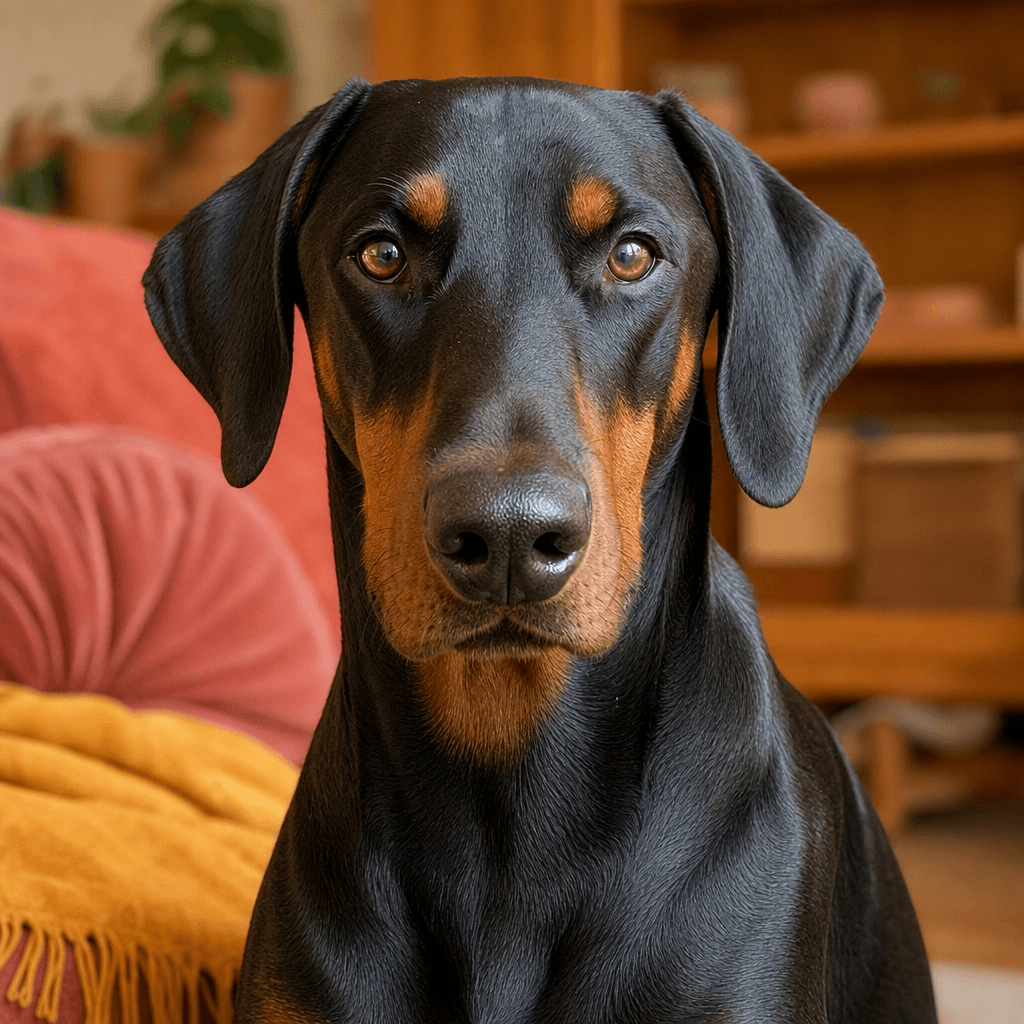
Is a Doberman right for you?
15 quick questions
Question 1of 15
How much real exercise can you give most days?
The ideal answer: 90+ minutes, most days
Great — that’s the lane where Dobermans shine. With brisk walks or runs plus structured play and training, you’ll see a focused, relaxed dog at home. Keep some variety in the mix (interval runs one day, tracking or fetch the next) to meet both body and brain needs.
Question 2of 15
How do you feel about short daily training sessions and problem-solving games?
The ideal answer: I enjoy it — daily is fine
Perfect — this breed eats up structure and clarity. Two five-minute sessions sprinkled into your day will turbocharge manners and keep that working brain content. You’ll likely find the dog offers behaviors before you even ask once it learns the game.
Question 3of 15
Are you looking for a running or hiking companion?
The ideal answer: Yes — 3–6 mile runs a few times a week
That’s right in this breed’s wheelhouse when built up slowly and kept weather-aware. Since you’re keen, plan joint strength by adding hills and core work, and wait for full physical maturity before serious mileage. A cooling strategy in summer and a fitted jacket in winter keep it safe.
Question 4of 15
Where will this dog live day-to-day?
The ideal answer: Apartment, but I’m committed to exercise
That can work beautifully with your commitment. Multiple purposeful outings plus indoor training and enrichment will keep a Doberman settled even in a small space. Be proactive with elevators and hallways; neutrality to neighbors is a trained skill.
Question 5of 15
On a typical weekday, the dog would be alone…
The ideal answer: 0–4 hours, most days
Great — that closeness pays off with a calmer, easier Doberman. Build independence with crate or place training so your dog can settle even when you’re home. This setup is where the breed’s deep bond feels like a superpower rather than a liability.
Question 6of 15
Who’s at home and what’s the general energy?
The ideal answer: Adults, predictable routine
That’s a natural fit. With steady structure, a Doberman becomes a considerate housemate who reads your routine and relaxes accordingly. You’ll likely get a 70–90 lb “leaner” shadowing you from room to room.
Question 7of 15
How often do you have visitors, and what are your expectations?
The ideal answer: Frequent visitors, and I’ll train for neutrality
Perfect — you’ll shape the classic Doberman presence: aware, silent, and settled. Practice place-stays, calm greetings, and off-switch games so guests feel welcome while your dog feels secure. A confident, neutral Doberman protects by composure, not theatrics.
Question 8of 15
What’s the current pet situation?
The ideal answer: No other pets
Simple is often best. You’ll focus on building a tight partnership without managing inter-pet dynamics. If you add a second dog later, opposite-sex pairings and careful intros typically go smoother.
Question 9of 15
Be honest: what’s your dog-handling experience and support system?
The ideal answer: Experienced or committed to working with a trainer
Excellent — with structure and coaching, you’ll unlock how easy this breed can feel. Choose reward-based pros who know high-drive dogs, and start early to prevent habits you’ll later have to undo. You’ll enjoy the feeling of a partner who “gets it.”
Question 10of 15
How comfortable are you handling a strong, reactive-capable dog in public?
The ideal answer: Confident and committed to training it early
Perfect — front-clip harnesses, engagement games, and lots of rewardable choices make public life smooth. Start in low-distraction areas and layer difficulty so your dog learns to check in with you automatically. You’ll look and feel like a team.
Question 11of 15
What’s your climate and winter plan?
The ideal answer: Mild weather, or cold winters with coats and short outings
Great — you’re thinking like a Doberman owner. A fitted jacket below about 40°F, limited ice time, and warm-up walks keep things comfortable. In summer, shift workouts to mornings and watch humidity during runs.
Question 12of 15
Short coat, steady shedding, frequent nail care — how does that land?
The ideal answer: Totally fine — I’ll handle nails and lint rollers
Perfect. A quick rubber curry and wipe-down keeps the coat glossy, and weekly nails protect joints and floors. You’ll still find hair on black pants — a small price for easy upkeep overall.
Question 13of 15
An unexpected $1,500 vet bill would be…
The ideal answer: Covered — savings or solid insurance
You’re set up for this breed’s realities. Insurance started young can help with pricey cardiology, emergency care for bloat-like symptoms, or orthopedic surprises. Ask breeders about DCM history, Holter/echo results, vWD DNA status, and longevity in the line.
Question 14of 15
What’s the main role you want your Doberman to play?
The ideal answer: A true partner — training, sports, adventures, then couch
Bullseye. That balance lets a Doberman flex its talents and then settle hard at home. You’ll likely love advanced obedience or scentwork as much as your dog does.
Question 15of 15
Housing, insurance, and local rules — where do you stand?
The ideal answer: Own my home or already confirmed no restrictions
Excellent — one big potential hurdle removed. Still keep good records: training certificates, vaccination history, and a clean neighborly track record help in future moves or insurance changes.
Your result
Answer the 15 questions above and your match score appears here.