Chesapeake Bay Retriever Match Quiz
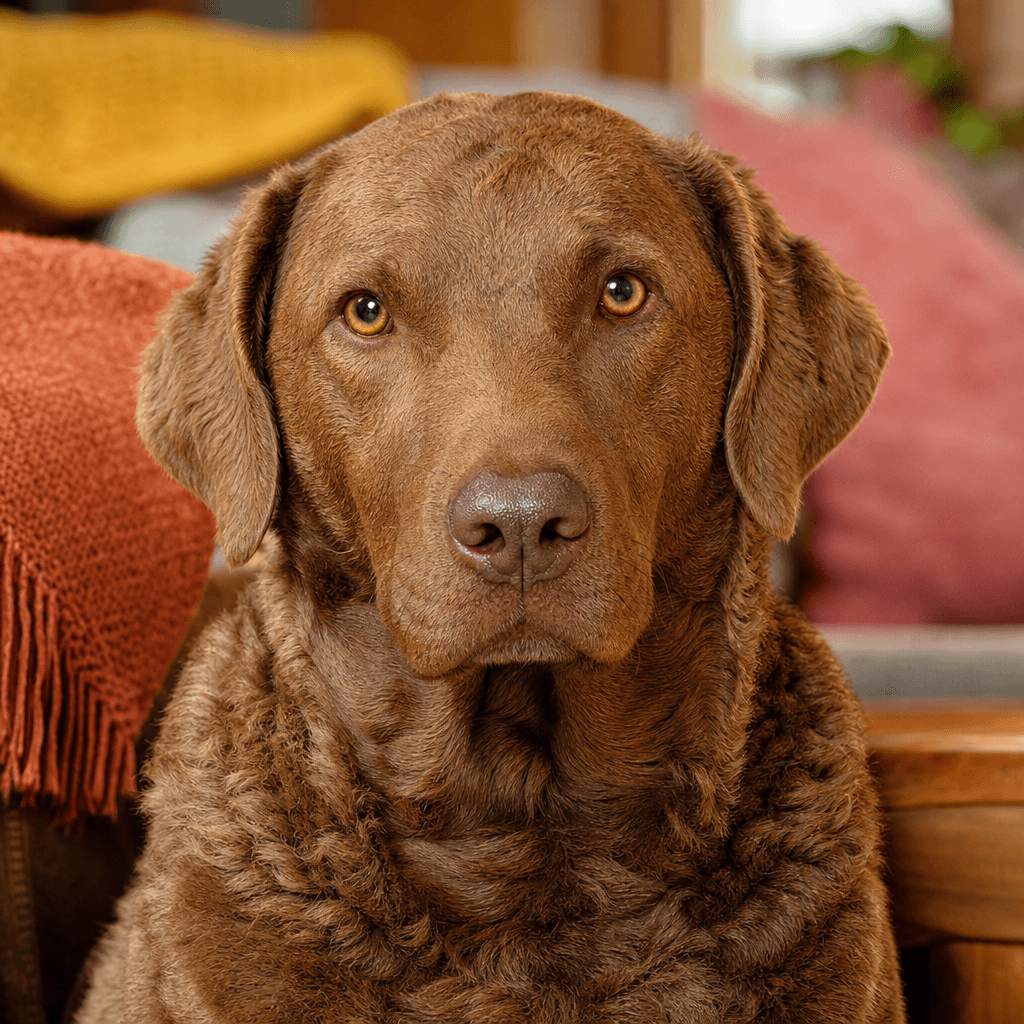
Is a Chesapeake Bay Retriever right for you?
14 quick questions
Question 1of 14
How much purposeful exercise do you actually enjoy giving a dog?
The ideal answer: 90+ minutes, including off-leash play or runs
That pace is right in this breed’s wheelhouse. Two purposeful sessions — a morning retrieve set and an evening hike or jog — will smooth out the rest of the day into relaxed companionship. Keep the work varied and you’ll own a content, focused dog instead of a locomotive in your living room.
Question 2of 14
How often could your dog swim or retrieve?
The ideal answer: Regular water access and retrieving is part of our week
Perfect — you’re speaking Chessie. Structured water retrieves are the fastest way to build fitness and satisfaction; just add ear drying after swims and choose safe, algae-free water. Expect a dog that lights up the moment the bumper comes out.
Question 3of 14
What’s your home setup?
The ideal answer: House with a secure, fenced yard
Ideal. A fenced yard gives you a safe field for short retrieve sets, obedience mats, and quick bathroom breaks. Go 5–6 feet on fence height and keep gates latched; a motivated Chessie is…motivated.
Question 4of 14
Be honest: your training vibe?
The ideal answer: Experienced with working dogs; I train kindly and consistently
With you, this breed shines. Build impulse control (sit to flush, steadiness), polish delivery to hand, and install a rock-solid settle cue. Fair leadership earns respect from a Chessie; you’ll feel the partnership click.
Question 5of 14
How social do you want your dog to be with new people?
The ideal answer: Polite with strangers but not a greeter is perfect
That’s exactly the Chessie default. Reward neutral behavior, coach visitors to ignore at first, and use a place mat when the doorbell rings. You’ll get a steady watchdog who can settle when told.
Question 6of 14
Who’s at home now (and how dog-savvy)?
The ideal answer: Adults/older kids who follow rules
Great match. Teach clean fetch trades, respect for food and resting spots, and you’ll have a rock-solid family dog. Supervise visiting kids until the dog proves unflappable.
Question 7of 14
On a typical workday, your Chessie would be alone…
The ideal answer: 2–4 hours, most days
Lovely. A brisk morning workout plus a stuffed frozen Kong turns that window into recovery time. Crate training protects both your dog and your sofa while routines set in.
Question 8of 14
How do you feel about hair and basic coat care?
The ideal answer: Hair everywhere? I’ll brush weekly and vacuum
Perfect mindset. A rubber curry or slicker and a metal comb handle most upkeep, and a quick blast from a dryer outside during spring/fall blowouts saves your floors. Rinse after swampy swims and dry ears to head off infections.
Question 9of 14
When a working coat gets wet and smelly, you…
The ideal answer: Towel-dry, hose-rinse, and keep baths rare
You’ve got the program. Rinse grit, dry the ear canals with a vet-recommended solution after swims, and let the coat recondition itself. In winter, warm up the car and pack dry towels to keep muscles loose post-swim.
Question 10of 14
Your local weather is mostly…
The ideal answer: Cold winters — we get out in it
Ideal. This breed laughs at sleet and loves snowy retrieves; just check paws for ice balls and towel dry the belly and tail on return. You’ll see peak grins in January.
Question 11of 14
Any small pets or backyard birds you expect the dog to ignore?
The ideal answer: No small pets; wildlife encounters are leashed
Easy mode for a Chessie. You’ll focus on recall, leave-it, and steadiness around squirrels instead of household truce talks. Everyone wins.
Question 12of 14
What ‘job’ will keep this mind satisfied?
The ideal answer: Hunting/field work, dock diving, or scent games weekly
Bullseye. Field drills, blind retrieves, and water entries give this breed the mental and physical outlet it craves. Expect a calmer housemate when real work lives on the calendar.
Question 13of 14
If a $1,200 orthopedic or emergency bill popped up…
The ideal answer: Covered — savings or pet insurance in place
Excellent. Enroll young to avoid pre-existing exclusions, and ask your vet about elective gastropexy (bloat-prevention tack) when your dog is spayed/neutered. With the money piece stable, health quirks stay manageable.
Question 14of 14
About watchdog barking…
The ideal answer: I want an alert dog and I’ll teach a quiet cue
Great combination. Install “quiet” alongside “speak,” reward rapid silence, and use visual barriers on street-facing windows. Clear rules keep watchdog from turning into neighborhood noisemaker.
Your result
Answer the 14 questions above and your match score appears here.