Catahoula Leopard Dog Match Quiz
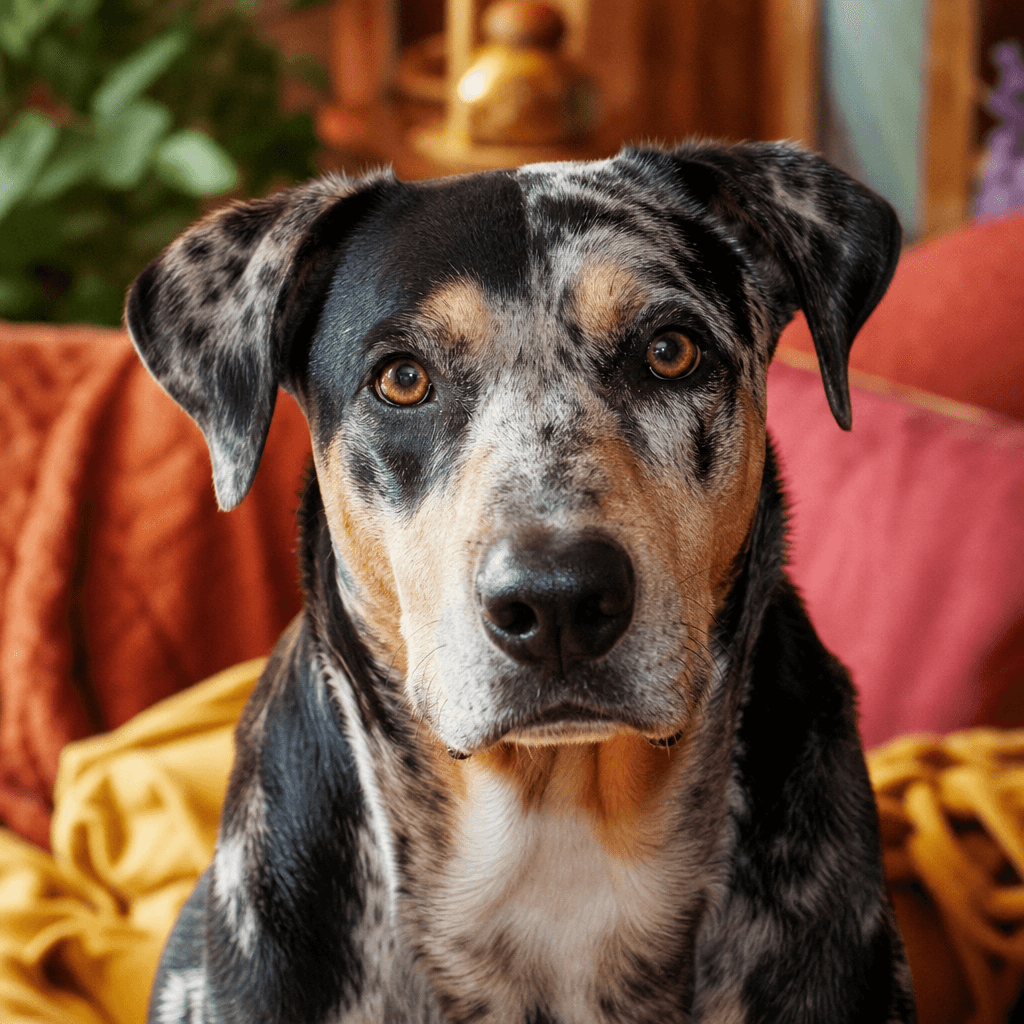
Is a Catahoula Leopard Dog right for you?
16 quick questions
Question 1of 16
How much real exercise can you give, day in and day out?
The ideal answer: 90–120 minutes+ of hard work, most days
You’re speaking their language. Long runs, off-road hikes in safe areas, canicross, or biking beside you will soak up that engine, and adding nosework or obedience will settle the mind. With this routine, a Catahoula turns into a focused teammate at home.
Question 2of 16
Where will this dog live and stretch out?
The ideal answer: Acreage, farm, or ranch
Perfect—this is the context the breed was made for. Give clear jobs (stock work, patrols, or structured training), secure boundaries near roads and livestock, and you’ll watch the dog’s confidence bloom into purpose.
Question 3of 16
What does your yard setup look like?
The ideal answer: 6-foot secure fence, gates locked, dig guards
Excellent. That setup respects the breed’s abilities and the temptations outside your property line. Still supervise early on to spot any climbing or digging habits and head them off with training and landscaping.
Question 4of 16
What are your expectations about off-leash freedom?
The ideal answer: I’ll keep the dog leashed or in secure fields
Smart plan. Long lines, fenced ball fields, and recall games scratch the freedom itch without gambling on wildlife distractions. You’ll build a safer, more reliable recall by never letting the dog rehearse running off.
Question 5of 16
What’s your background with tough, high-drive dogs?
The ideal answer: I’ve raised/trained working or herding/hunting breeds
Perfect. You know the routine: structure first, freedom earned, and a tired brain equals a relaxed housemate. With your leadership, a Catahoula’s edge becomes an asset instead of a daily argument.
Question 6of 16
When a dog pushes back or gets mouthy, what’s your approach?
The ideal answer: Clear rules, reward-based training, lots of reps
That’s the sweet spot. Short, high-value sessions, impulse games, and clear criteria turn a willful worker into a willing one. You’ll get more with a paycheck than a power struggle every single time.
Question 7of 16
Beyond walks, what ‘job’ can you realistically offer?
The ideal answer: Stock work, hunting/control work, or 3+ sport sessions weekly
Excellent. Purpose flips the switch from restless to responsible, and the household gets a calmer dog for it. Build rest days with brain games so the body and mind recover without losing manners.
Question 8of 16
What temperament do you want around unfamiliar people?
The ideal answer: Aloof guardian is fine; I’ll manage intros
Great—your expectations match reality. Teach a solid place command, reward calm while guests settle, and you’ll have a steady dog who switches off when you say it’s safe.
Question 9of 16
How do you picture interactions with other dogs?
The ideal answer: Solo dog or one well-matched opposite-sex companion
Smart plan. Careful introductions, parallel walks, and clear rules prevent most dustups, and many Catahoulas thrive with one compatible buddy rather than a crowd.
Question 10of 16
Any small animals at home (or in the yard)?
The ideal answer: No cats or small pets
That simplifies things. You can focus on wildlife desensitization and rock-solid impulse control without worrying about housemates becoming targets.
Question 11of 16
What ages are we talking about, and how rough is playtime?
The ideal answer: Adults-only household
Easy mode for this breed. You can put all your energy into training and work outlets without juggling kid chaos, which helps the dog settle faster.
Question 12of 16
On a typical weekday, the dog would be alone…
The ideal answer: Rarely—someone’s usually around
Great fit. With presence plus real exercise, you’ll get a calm shadow who’s content to snooze near you between outings. Build independent settling skills anyway so the dog doesn’t panic the rare times you’re out.
Question 13of 16
What’s your local climate like most of the year?
The ideal answer: Mild, temperate weather
Easy conditions. Early/late walks in summer and a steady workload are all it takes. You can put more planning into training than weather.
Question 14of 16
How do you feel about routine coat care and some hair?
The ideal answer: Weekly brush, nails/teeth/ears—no problem
Perfect. A rubber curry or slicker once a week keeps the coat shiny, and quick nail and tooth routines save vet bills later. You’ll spend your time training instead of grooming.
Question 15of 16
An unexpected $1,000 vet bill or screening costs would be…
The ideal answer: Covered—savings or pet insurance from day one
Great position. Working dogs rack up bills from genetics and from doing stuff—insurance turns crises into inconveniences. Ask breeders about OFA hips/elbows and BAER/eye results before you commit.
Question 16of 16
How much barking, baying, or talking can your life handle?
The ideal answer: Some noise is fine; I’ll train a quiet cue
Good attitude. Meet the dog’s exercise quota, reward silence after a single alert bark, and use privacy film or white noise to cut triggers. With needs met, most Catahoulas keep commentary reasonable.
Your result
Answer the 16 questions above and your match score appears here.