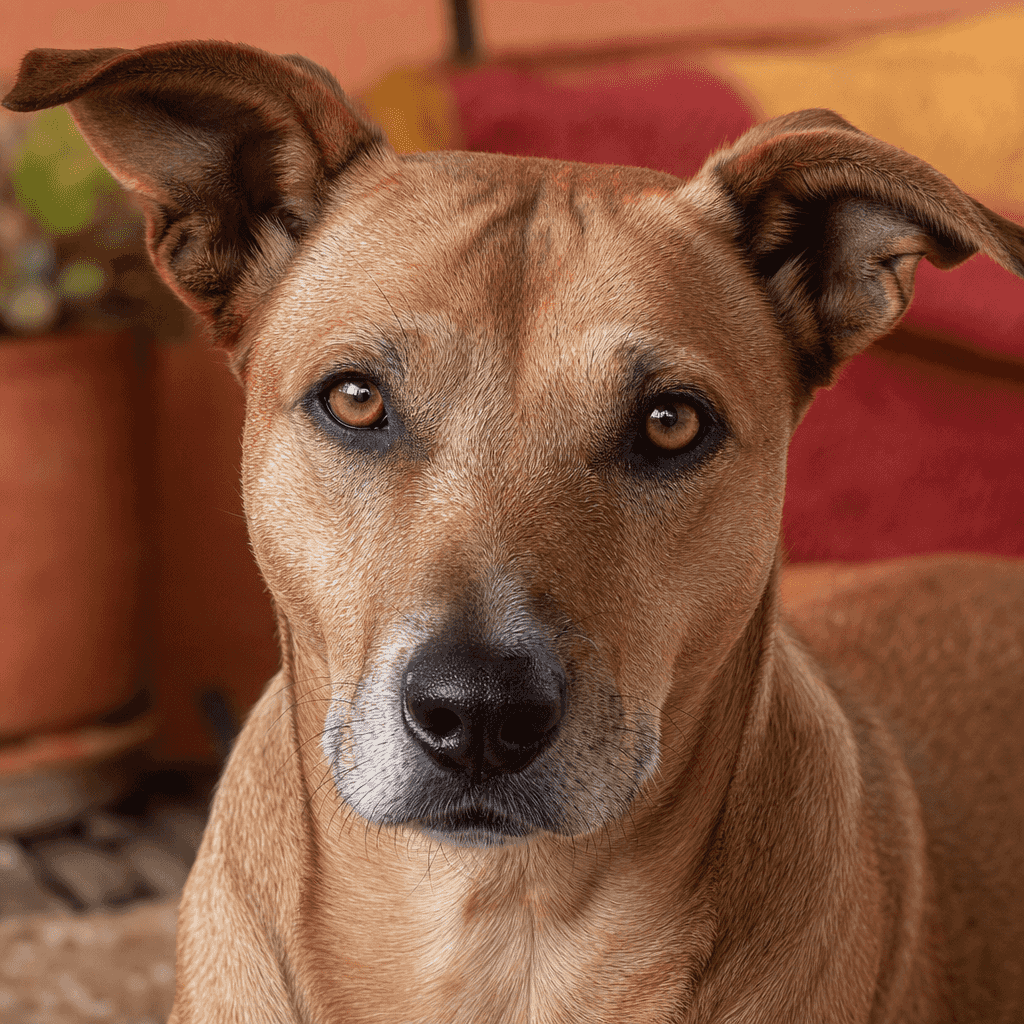
Carolina Dog Match Quiz
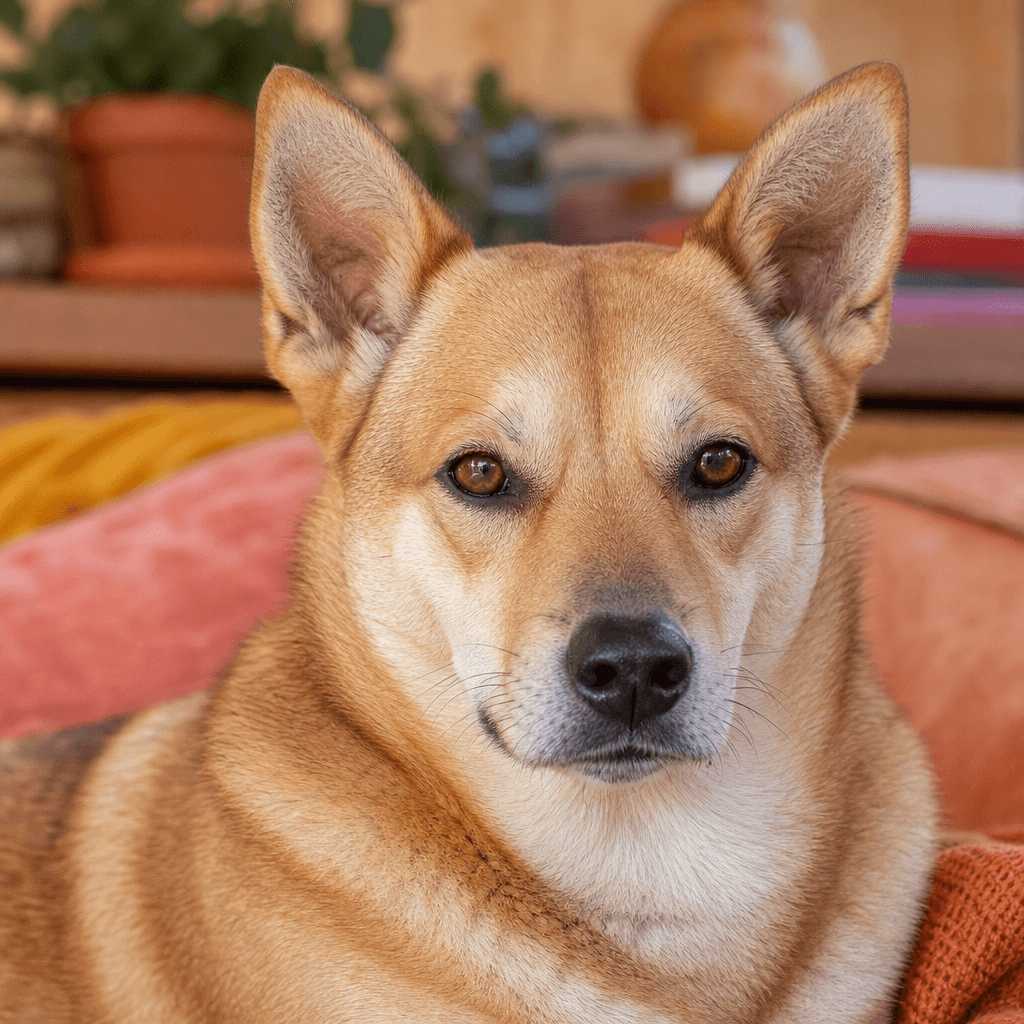
Is a Carolina Dog right for you?
14 quick questions
Question 1of 14
How active are you, most weeks?
The ideal answer: Daily runs, hikes, long rambles
You’re speaking their language. A Carolina Dog thrives with steady miles and purposeful outings, and many become superb trail partners once leash manners are dialed in. Keep wildlife in mind — a long line in high-prey areas preserves both recall and safety.
Question 2of 14
What’s your home and yard situation?
The ideal answer: House with a 6‑ft, dig‑proof fence
Perfect — you’ve solved the toughest practical need. A secure yard lets a Carolina Dog explore, scent, and sunbathe safely between structured outings. Walk the fence line regularly for weak spots; these dogs notice loose boards before you do.
Question 3of 14
How do you feel about a dog that’s naturally reserved with strangers?
The ideal answer: I’m fine with a slow-to-warm-up dog
Great — you’ll let the dog set the pace, which builds trust fast. Pair distance and food rewards when meeting new people so the dog learns "strangers predict snacks, not pressure." Advocating for space is the secret power move with this breed.
Question 4of 14
What small animals will share your orbit?
The ideal answer: No cats, rabbits, or poultry here
That makes life simpler. Without small prey-shaped housemates, you can channel the instinct into structured outlets like scent games and flirt-pole play. Wildlife awareness still matters outside — a long line protects both recall and local critters.
Question 5of 14
What are you picturing for freedom outside?
The ideal answer: Happy to keep off-leash to fenced areas/long line
Perfect — that’s the safest plan for this breed. Long lines maintain freedom and muscle memory for recall without gambling on wildlife. You’ll still practice cues, you’ll just choose the terrain where they stick.
Question 6of 14
Which training vibe sounds like you?
The ideal answer: Patient, reward-based, short sessions
That’s the recipe. Use food, play, and sniff breaks to pay well for the behaviors you want, and keep sessions under five minutes to protect enthusiasm. You’ll be amazed how fast loose-leash walking and polite settling come together.
Question 7of 14
Where are you on the dog-experience spectrum?
The ideal answer: I’ve owned independent or primitive-type dogs
You’ll read the dog’s body language early and head off problems before they bloom. That intuition pairs beautifully with this breed’s intelligence — you’ll enjoy the quiet conversation they have with their world. Just remember: management (fences, leashes) is still non‑negotiable.
Question 8of 14
Any children at home or visiting a lot?
The ideal answer: No kids or teens only
Ideal. A steady, low-chaos home lets a Carolina Dog settle, bond, and show its best manners quickly. You’ll still teach friends to let the dog approach first — consent keeps trust high.
Question 9of 14
What’s the canine company situation?
The ideal answer: One-dog home or opposite-sex companion, slow intro
Great plan. Meet on neutral ground, take a decompression walk, and integrate gradually at home with parallel routines. That pace gives this breed time to decide it’s safe — and once they do, bonds run deep.
Question 10of 14
On workdays, the dog would be alone…
The ideal answer: About 4–6 hours
That’s very workable. Front‑load a walk and some sniffy enrichment, leave a safe chew, and you’ll likely return to a sleeping dog. Build up gradually with a new arrival so confidence grows rather than frays.
Question 11of 14
How do you feel about a low-maintenance coat that still sheds seasonally?
The ideal answer: Fine — weekly brushing and some fur on clothes
You’ll like this coat. A rubber curry brush and a slicker during seasonal blowouts keep things tidy, and the rest of the year is a few minutes, once a week. It’s one of the lowest-maintenance grooming routines in dogdom.
Question 12of 14
Describe the weather where you live.
The ideal answer: Temperate to warm; we plan early/late walks
That suits them. With shade, hydration, and summer schedules that dodge midday heat, most Carolina Dogs cruise through warm seasons. Hot days become sniff-walk mornings and enrichment evenings — it’s a good rhythm.
Question 13of 14
How comfortable is your budget with training, fencing, and routine vet care?
The ideal answer: Ready — I can fund a secure fence, classes, and an emergency fund
You’re set for success. Upfront investment in containment and coaching pays back for years in safety and sanity. Add pet insurance or a savings cushion and the unexpected becomes manageable, not catastrophic.
Question 14of 14
How sound-sensitive is your living situation?
The ideal answer: Some alert barking is fine
Then you’ll get along well. Expect a few sharp alerts when something changes, followed by quick settling once you acknowledge it. Reinforcing calm after a single bark keeps the habit tidy.
Your result
Answer the 14 questions above and your match score appears here.