Cane Corso Match Quiz
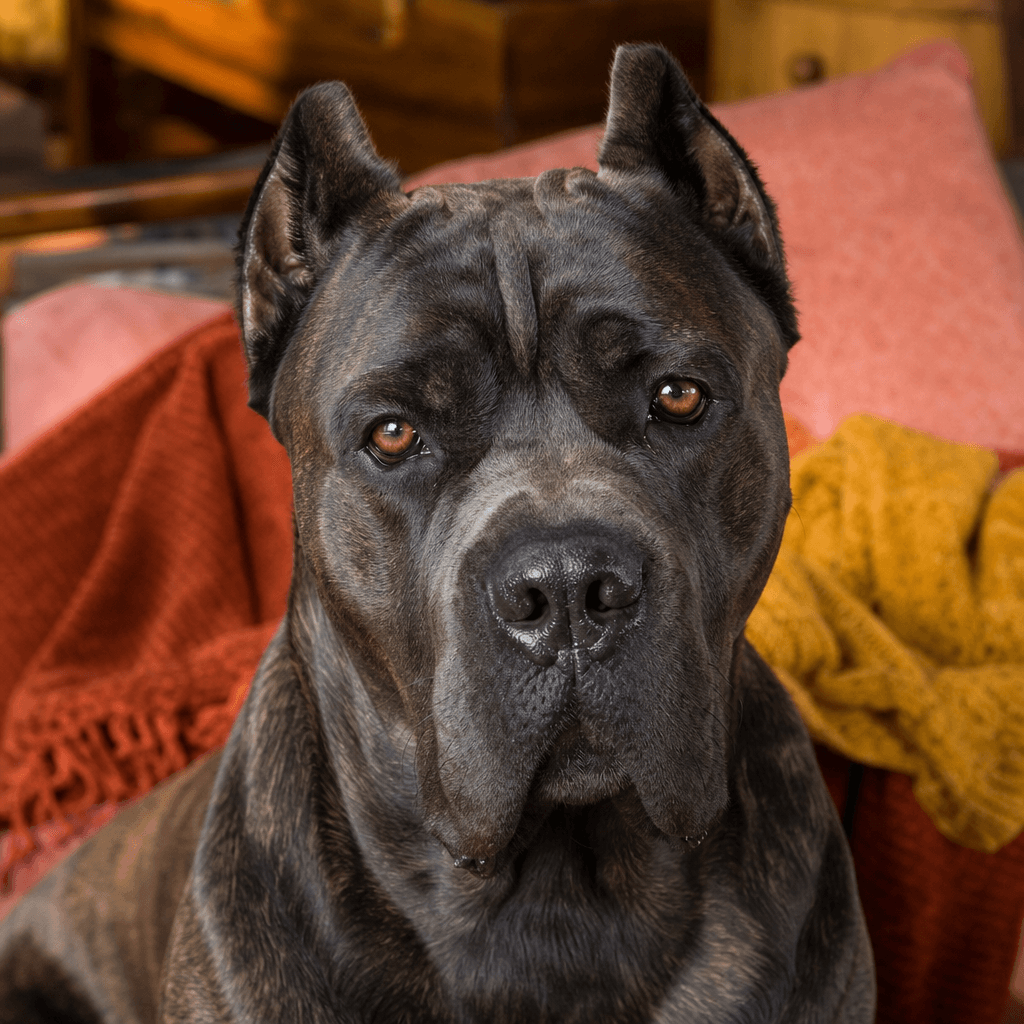
Is a Cane Corso right for you?
15 quick questions
Question 1of 15
How much time can you commit to structured exercise each day?
The ideal answer: About 90 minutes split between walks and training
Great — that’s right in the Corso comfort zone. Think brisk leash walks, controlled fetch, hill work, and 15 minutes of obedience or nosework layered in. Keep high-impact running and repetitive jumping limited, especially under 18 months, and you’ll have a fit, sane dog.
Question 2of 15
Your home setup looks like…
The ideal answer: House with a 6-foot fenced yard
Perfect — a secure yard makes bathroom breaks and training reps simple without inviting trouble. Keep gates locked, latches sturdy, and sightlines managed so your dog isn’t rehearsing barrier aggression at every passerby. Supervised yard time is exercise support, not a substitute.
Question 3of 15
Your dog-handling background is…
The ideal answer: I’ve raised/trained large or guardian breeds before
Excellent — you already speak the language of structure, neutrality, and impulse control. You’ll recognize when to step up management and when to let the dog learn. Pair that skill with early socialization and you set the tone for a steady adult.
Question 4of 15
How do you feel about ongoing, structured training?
The ideal answer: Weekly classes for 6–12 months plus daily short drills
Perfect — that cadence builds the habits a guardian needs. Keep sessions upbeat and clear, use rewards well, and add proofing in real-life places. Muzzle training and calm crating are smart add-ons that pay off for vet visits and emergencies.
Question 5of 15
When people come to your door or approach on walks…
The ideal answer: I crate/place the dog first and introduce only when calm
That’s the gold standard for a guardian breed. Calm, planned greetings and clear "no petting" boundaries with strangers keep your dog from rehearsing pushy or defensive behavior. You’ll appreciate how much more relaxed your Corso becomes with predictable rules.
Question 6of 15
On a typical weekday, your Corso would be alone…
The ideal answer: 2–4 hours, with exercise before and after
Ideal. A tired Corso naps like a pro and greets the afternoon ready to train. Rotate safe chews and enrichment in the crate so alone time stays uneventful.
Question 7of 15
What best describes the kid situation?
The ideal answer: School-age kids/teens who follow rules
Great — teach calm greetings, no hugging, and no rough play, and a Corso can become a steady sibling. Place training during friend visits and sports at the door keep excitement from tipping into bowling over.
Question 8of 15
Any other animals at home?
The ideal answer: No other pets, or one opposite-sex, stable adult dog
Good setup. Slow, neutral introductions and firm household rules keep relationships smooth. Even with a great match, manage meals, toys, and doorways to prevent scuffles.
Question 9of 15
Feeding, gear, training, and insurance each month would be…
The ideal answer: Comfortable at $200–$400/month plus a savings buffer
You’re ready for Corso math. Quality food, preventive care, training classes, and insurance fit without stress, and surprises don’t become crises. That cushion lets you make good decisions fast when health or behavior needs pop up.
Question 10of 15
How prepared are you for Corso-specific health care?
The ideal answer: I’ll choose health-tested dogs and budget for insurance and preventives
Excellent plan. Ask for OFA/PennHIP hips and elbows, a cardiac exam, and eye clearances, and discuss gastropexy with your vet at spay/neuter. With insurance in place early, you can act fast if orthopedic or GI issues arise.
Question 11of 15
Slobber on your pants and hair on the sofa?
The ideal answer: No problem — I own lint rollers and drool towels
Perfect attitude. A weekly rubber curry and brush-out keeps the coat tidy, and a towel by the water bowl saves your walls. You’ll stop noticing the hair long before your friends do.
Question 12of 15
Your local weather is…
The ideal answer: Temperate, with AC and flexible walk times
Great — early/late walks in summer and a warm spot in winter cover most needs. Watch for heat stress on black coats, carry water, and skip midday pavement when it’s sizzling.
Question 13of 15
Any housing or insurance restrictions where you live?
The ideal answer: I own or have written approval; insurance confirmed
Smart — you’ve removed the biggest logistical landmines. Keep documentation handy, and consider an umbrella liability policy. Clear rules and a well-trained dog keep neighbors and managers on your side.
Question 14of 15
Transport and containment for a 90–120 lb dog?
The ideal answer: SUV/wagon and space for a giant crate — I’ll crate-train
You’re set. Crate skills turn chaos into calm at doorways, during repairs, and after surgery. Add a seatbelt tether for car rides and you’ve covered the major safety bases.
Question 15of 15
Are you interested in giving your dog a job?
The ideal answer: Yes — sports or advanced obedience sound fun
Fantastic. Clubs and classes will channel your dog’s power into precision and deepen your bond. If you explore protection sports, work only with reputable, breed-savvy coaches.
Your result
Answer the 15 questions above and your match score appears here.