Bullmastiff Match Quiz
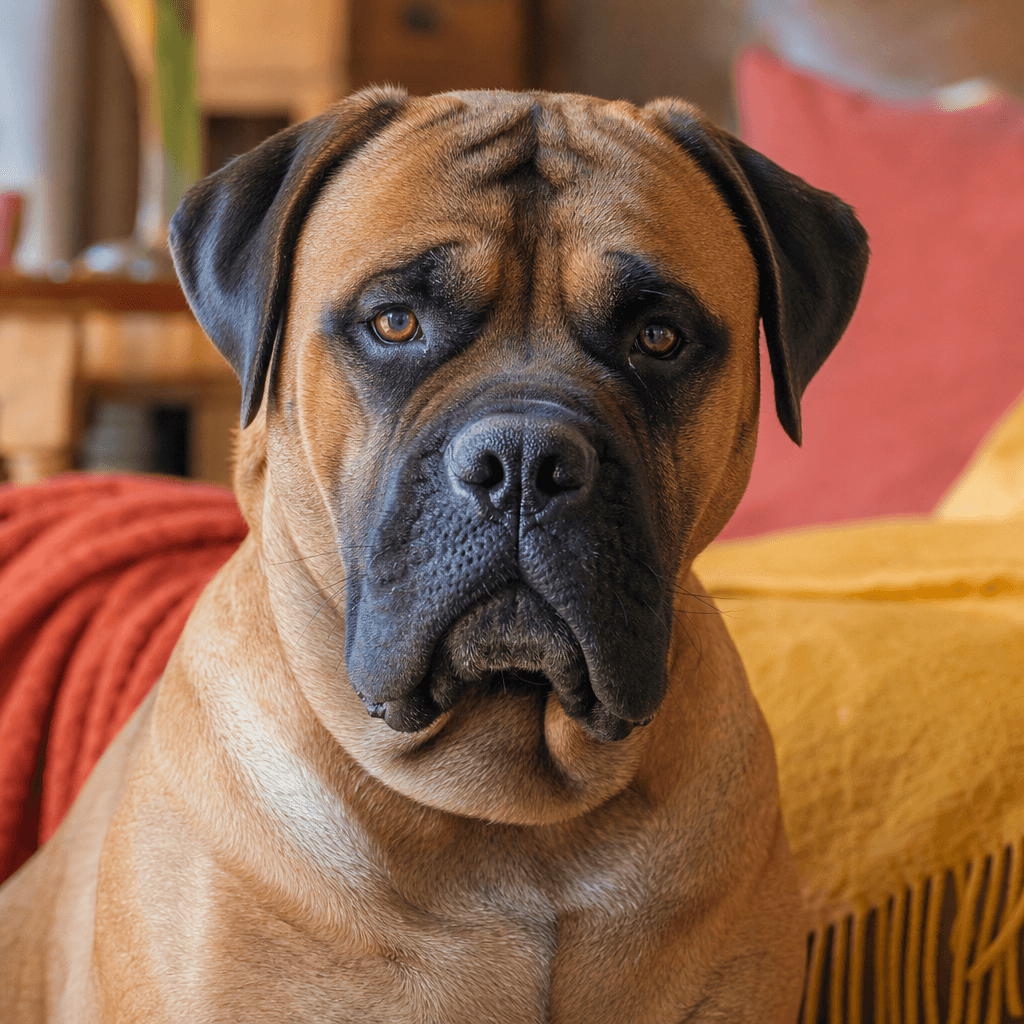
Is a Bullmastiff right for you?
15 quick questions
Question 1of 15
How active are you, really?
The ideal answer: Two easy walks and lots of lounging
That’s the Bullmastiff sweet spot. Plan on 45–60 minutes total of relaxed sniff-walks split over the day and some puzzle toys inside. They’ll take your calm routine and return it as a quiet, settled presence.
Question 2of 15
Where will this giant nap?
The ideal answer: House with a secure fenced yard
Perfect. A 5–6 ft fence and supervised yard time make bathroom breaks and sunbathing easy, while walks handle exercise. Remember, the yard doesn’t replace training or leashed outings — it just makes your life smoother.
Question 3of 15
Your training background looks like…
The ideal answer: I’ve handled large/guardian breeds and work with trainers
Great — your experience fits the breed. Plan early impulse‑control work (settle on a mat, leave‑it, polite greetings) and consider muzzle‑conditioning as a just‑in‑case life skill. That structure lets their calm temperament shine.
Question 4of 15
How social do you need your dog to be?
The ideal answer: Few guests; I can manage calm introductions
That suits the breed well. Teach a solid place/mat cue, release on your say‑so, and reward quiet observation. Your dog will learn that you handle guests and it can relax off duty.
Question 5of 15
What’s the kid situation?
The ideal answer: Adults or kids 8+ who follow rules
Great fit. Teach no climbing, no hugging the head, and trade‑based object handling. With respectful kids, a Bullmastiff becomes a steady, affectionate floor pillow.
Question 6of 15
What animal crew will this dog join?
The ideal answer: One well‑mannered, opposite‑sex dog at home
That’s your best bet. Do slow, neutral‑ground introductions and manage resources (food, beds, toys) until routines settle. Avoid rough play that can escalate given the size mismatch.
Question 7of 15
On a normal weekday, alone time would be…
The ideal answer: 4–6 hours, most days
That’s reasonable. Walk before you leave, offer a food puzzle, and keep the environment cool. Build up gradually with a new dog so alone time feels routine, not alarming.
Question 8of 15
About slobber on pants, walls, and car windows…
The ideal answer: Bring the drool towels — I’m in
Perfect attitude. Keep absorbent cloths by water bowls, use a bandana for meal times, and wipe jowls before guests or car rides. Lean into it and the mess becomes background to a wonderful dog.
Question 9of 15
Grooming commitment, realistically:
The ideal answer: Weekly brush, nails monthly, teeth and ears — no problem
Great — that’s exactly what they need. A rubber curry or grooming glove keeps shedding under control, and regular nail care protects joints. Add a quick wipe after drooly meals to prevent chin irritation.
Question 10of 15
Your summers are…
The ideal answer: Mild/cool, or we live in strong AC
Ideal. You’ll still time midday breaks and carry water, but heat won’t run your life. Expect more snoring than sprinting when temps climb.
Question 11of 15
Month‑to‑month costs and surprise vet bills will be…
The ideal answer: Planned — $100–$200/mo plus pet insurance
You’re set up well. Insurance started young helps with big‑ticket items like GDV surgery, orthopedic fixes, or cancer diagnostics. The rest is predictable: quality food, sturdy beds, and training.
Question 12of 15
When 120 pounds hits the end of a leash…
The ideal answer: I’ll train loose‑leash and use proper gear
Exactly right. Start day one with a front‑clip harness or conditioned head halter, reward attention, and practice calm passes of dogs and people. Good leash skills unlock a low‑drama life with a giant.
Question 13of 15
Be honest: why a Bullmastiff?
The ideal answer: A calm deterrent that listens to me
Perfect aim. Socialize widely, practice rock‑solid obedience, and teach a relaxed place/stay for door traffic. Your dog will read you first and let its size do the rest.
Question 14of 15
Your approach to known Bullmastiff health risks?
The ideal answer: Health‑tested breeder/rescue, weight control, consider gastropexy
That’s the blueprint. Ask for OFA hips/elbows, a cardiac exam, thyroid and eye clearances, then keep your dog lean and strong. Discuss prophylactic gastropexy at spay/neuter to reduce life‑threatening bloat risk.
Question 15of 15
Housing and paperwork check:
The ideal answer: We own or are fully cleared with insurer/landlord
Excellent — fewer surprises. Keep proof of training, vaccination records, and liability coverage on file to smooth everything from rentals to travel.
Your result
Answer the 15 questions above and your match score appears here.