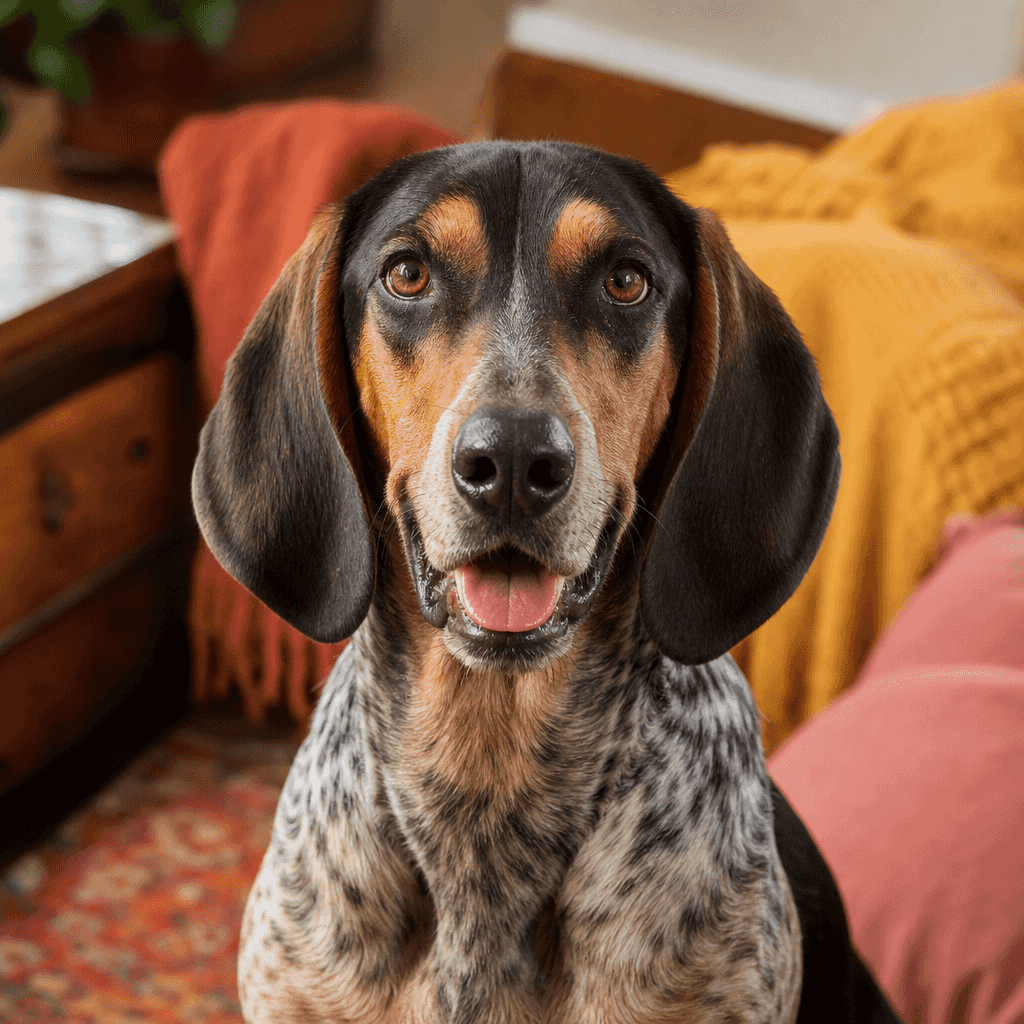
Bloodhound Match Quiz
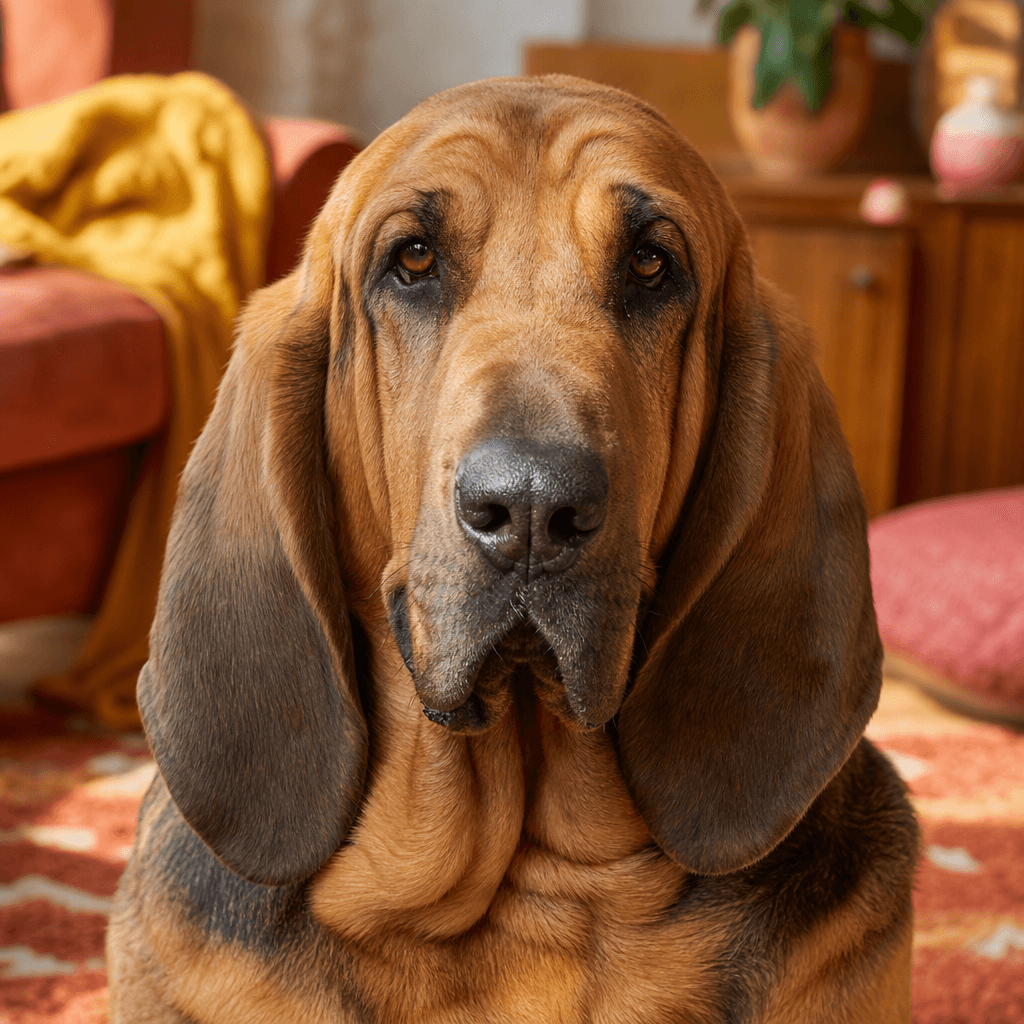
Is a Bloodhound right for you?
15 quick questions
Question 1of 15
What kind of exercise routine fits your life?
The ideal answer: Long, sniffy walks most days (60–90 min)
Perfect — you’re speaking Bloodhound. Endurance, unhurried miles with the nose down, and time to investigate are their love language. Keep the pace easy, add some scent games or tracking practice, and you’ll see a calm house dog afterward.
Question 2of 15
Where will this hound live its daily life?
The ideal answer: House with a securely fenced yard
Ideal. A solid 5–6 ft fence and locked gates let your hound lounge safely between walks. Don’t expect solo exercise, though — Bloodhounds sniff more than they sprint, and unsupervised yard time can turn into dig-and-escape projects.
Question 3of 15
Be honest: how do you picture off‑leash time?
The ideal answer: Never off‑leash unless fully fenced
That’s the safety mindset Bloodhounds require. Long lines, secure fields, and tracking harnesses give them freedom while you keep control. Treat recall as a nice surprise, not a guarantee — and you’ll both be happier.
Question 4of 15
How do you like to train a dog that thinks for itself?
The ideal answer: Patient and positive — I make it rewarding
Excellent fit. Use food, sniff breaks, and short sessions to get “sit, stay, settle,” then graduate into nosework. Punishment backfires with this soft breed; your style keeps them engaged and confident.
Question 5of 15
How will you manage pulling when the scent hits?
The ideal answer: Front‑clip harness, long line, and loose‑leash work
Perfect plan. A quality front‑clip harness plus reward‑based loose‑leash training keeps things civil, and a long line gives sniff freedom without yanking. Start early; a 30‑lb pup is easier to teach than a 100‑lb enthusiast.
Question 6of 15
About the slobber situation…
The ideal answer: I’m ready: towels by every bowl and door
You’re in the right headspace. Stock drool cloths, washable throws, and a splash mat under water bowls. Wipe after drinks and meals and you’ll keep the house civilized — by Bloodhound standards.
Question 7of 15
Ear cleaning and face wipes — how do you feel?
The ideal answer: Weekly ear cleaning and regular wipes? No problem
Great. A gentle ear cleaner 1–2 times weekly, daily jowl/eye wipes, and a quick brush keep most problems away. Catch redness or odor early and you’ll save on vet visits and discomfort.
Question 8of 15
An unexpected $1,200 vet bill would be…
The ideal answer: Covered — savings or good pet insurance
Excellent. Enroll young to avoid pre‑existing exclusions and you’ll be prepared for dental work, ear treatments, imaging, or even a bloat scare. For deep‑chested breeds, discuss GDV prophylactic gastropexy with your vet when spay/neuter timing comes.
Question 9of 15
Noise tolerance at home and with neighbors?
The ideal answer: Detached home or sound‑tolerant neighbors
Great — you’ve got margin for hound songs. Meet the need for exercise and enrichment and you’ll hear the bay mostly as a happy announcement, not a daily complaint. Teach a quiet cue and manage triggers near windows.
Question 10of 15
On a typical weekday, your dog would be alone…
The ideal answer: Rarely — someone’s home most of the day
Lovely for a sensitive hound. With company and a good morning sniff, you’ll see a champion napper. Keep a stuffed Kong or snuffle mat handy for the brief times you do step out.
Question 11of 15
Who will share the home with your hound?
The ideal answer: Adults or kids 8+, dog‑savvy home
Great match. Teach polite greetings and “four on the floor” to protect small knees, and supervise around food bowls and doorways. This setup lets their sweetness shine without accidental body‑checks.
Question 12of 15
Your local climate is…
The ideal answer: Temperate with mild summers
Ideal. Enjoy long morning and evening sniff walks and keep midday light. In winter, a drying routine after wet outings protects ears and skin folds.
Question 13of 15
Road trips and errand rides — what’s the plan?
The ideal answer: SUV/crate, seat covers, wipes — I’m ready
Perfect. A 48–54" crate or a crash‑tested harness keeps everyone safe, and washable liners save your upholstery from drool and paw‑prints. Pack water and plan sniffy leg‑stretch breaks instead of high‑energy sprints.
Question 14of 15
About that classic hound smell…
The ideal answer: Fine — I’ll brush and bathe as needed
Great. Weekly brushing, monthly-ish baths, and diligent ear/jowl care keep odor reasonable. Washable dog beds and a robot vacuum make day‑to‑day life easier.
Question 15of 15
How will you channel that world‑class sniffer?
The ideal answer: Tracking/mantrailing classes or clubs
Fantastic. Organized scent work safely scratches the deepest itch and builds teamwork. You’ll get a tired, fulfilled hound and a new hobby you might love as much as the dog does.
Your result
Answer the 15 questions above and your match score appears here.