Bernese Mountain Dog Match Quiz
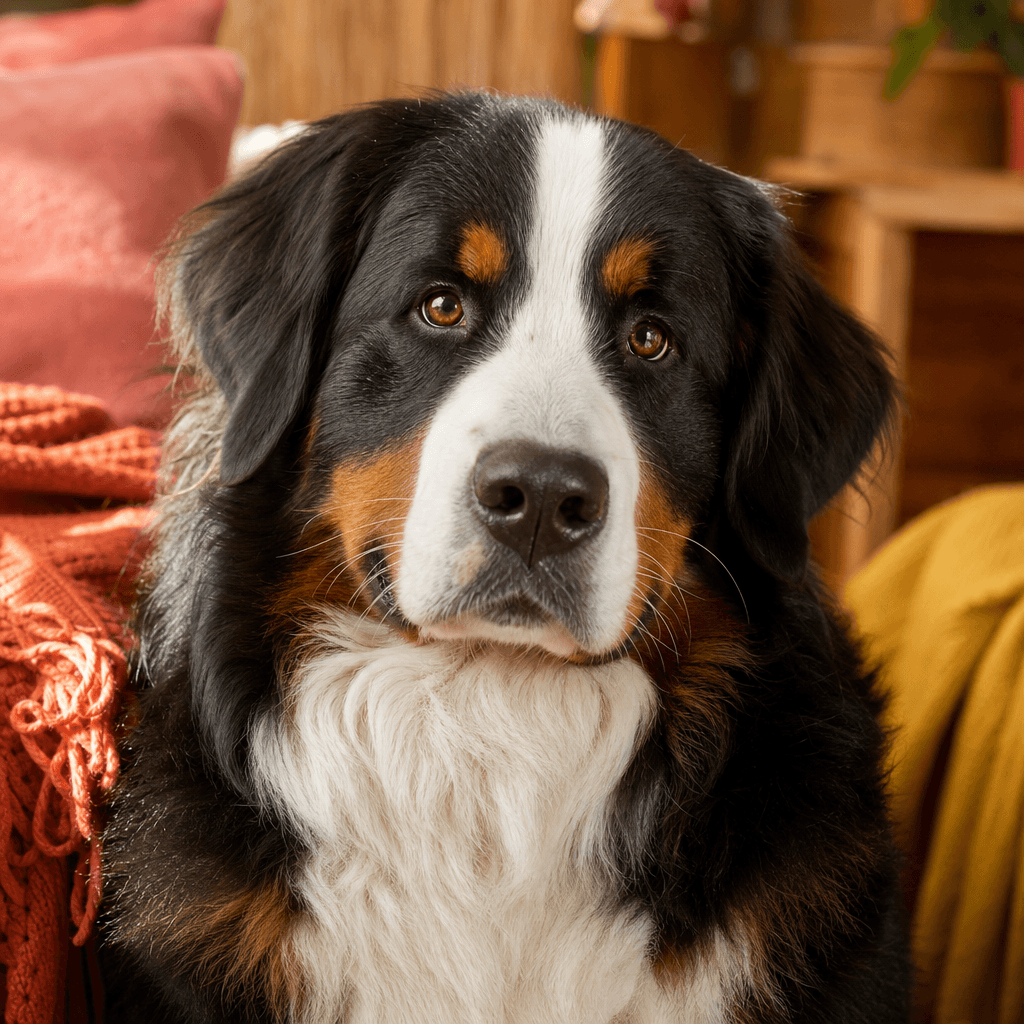
Is a Bernese Mountain Dog right for you?
15 quick questions
Question 1of 15
On most days, your ideal dog-energy looks like…
The ideal answer: Two good walks and some easy training or nose work
That rhythm is right on target for a Berner. You’ll satisfy the breed’s need for purposeful movement and mental work without stressing joints or overheating. Add a weekend hike in cool weather and you’ve basically described a Bernese’s perfect week.
Question 2of 15
Where will a full-grown 80–115 lb dog live and move?
The ideal answer: House with a fenced yard
That’s a natural fit for a Berner. A yard won’t replace walks, but it makes potty breaks and short sniff sessions easy on joints. Add rugs over slick floors and a comfy spot near you, and your home will feel like a mountain lodge to them.
Question 3of 15
Your local summers are…
The ideal answer: Cool to mild; summers are short or gentle
Perfect Berner country. You’ll enjoy long, happy walks most of the year, with that glorious snow season as a bonus. Keep an eye on spring heat waves and you’ll have few weather constraints.
Question 4of 15
Regular brushing for a long, fluffy double coat — truly up for it?
The ideal answer: Yes — 10–15 minutes most days, more during blowouts
Great — that’s exactly what this coat needs. You’ll catch tangles early, keep skin happy, and make shedding seasons far more livable. A slicker brush, metal comb, and a high-quality vacuum are your best friends.
Question 5of 15
Dog hair on clothes, floors, and car seats…
The ideal answer: Small price for a big-hearted dog
That attitude is perfect. You’ll adapt with washable throws, lint rollers, and maybe a robot vacuum. With your expectations set, the hair becomes background to a very special companion.
Question 6of 15
Your approach to training looks like…
The ideal answer: Positive reinforcement, short and fun
That’s the sweet spot. You’ll see a thoughtful, eager learner who glows under clear, upbeat coaching. Five-minute sessions and real-life manners (settle, loose-leash, polite greetings) will make your giant companion a joy.
Question 7of 15
An unexpected $1,500–$3,000 vet bill would be…
The ideal answer: Handled — savings and/or good pet insurance
You’re set up for the realities of the breed. Enroll in insurance early to avoid pre-existing exclusions, and you’ll be ready for the what-ifs — from emergency bloat surgery to an orthopedic repair. Financial readiness lets you choose care, not compromises.
Question 8of 15
Berners have a shorter lifespan (often 7–10 years). How does that sit with you?
The ideal answer: I understand and I’m prepared to love them well anyway
That mindset honors the breed. You’ll focus on quality of life, early detection, and savoring the everyday — the leaning hugs, the snow days, the calm evenings. Many Berner people say the love is worth the grief.
Question 9of 15
Your household looks like…
The ideal answer: Adults in a calm, predictable home
That’s an easy fit for a Berner. You’ll get a polite, leaning shadow who settles wherever you are and keeps an eye on the door. With consistent routines, they shine.
Question 10of 15
On a typical weekday, your dog would be alone…
The ideal answer: Rarely — someone’s usually home
That’s a Berner dream. They’re happiest when they can nap nearby and check in with their people. Expect a calm, content companion who matches your rhythm.
Question 11of 15
When the weather cooperates, your plan is…
The ideal answer: Cool-weather hikes and long scenic walks
You’re speaking their language. Build distance slowly, protect joints on descents, and pack water. Your Berner will be in their element by your side.
Question 12of 15
Big dog, big logistics. Your transport setup is…
The ideal answer: SUV/wagon with crate space and a ramp
Perfect planning. A ramp protects joints now and later, and secure cargo space keeps everyone safe. You’re ready for routine trips and the unexpected.
Question 13of 15
Your home has…
The ideal answer: Few or no stairs, rugs on slick floors
Excellent — that setup protects hips and elbows. You’ll prevent slips, build steady muscle, and keep your Berner confident moving around the house.
Question 14of 15
How do you feel about big-dog messes?
The ideal answer: Part of the charm — towels by the door!
You’re ready for real life with a mountain dog. Door towels, a mat station, and a quick post-walk brush keep the mess manageable. You’ll smile at the snowballs stuck to their pants instead of stressing.
Question 15of 15
For visitors and strange noises, you want a dog who…
The ideal answer: Gives a deep “hello,” then welcomes guests
That’s the Berner vibe. With door manners and a settle cue, you’ll have a polite greeter who makes visitors feel safe and seen. It’s the best of both worlds for most homes.
Your result
Answer the 15 questions above and your match score appears here.