Belgian Tervuren Match Quiz
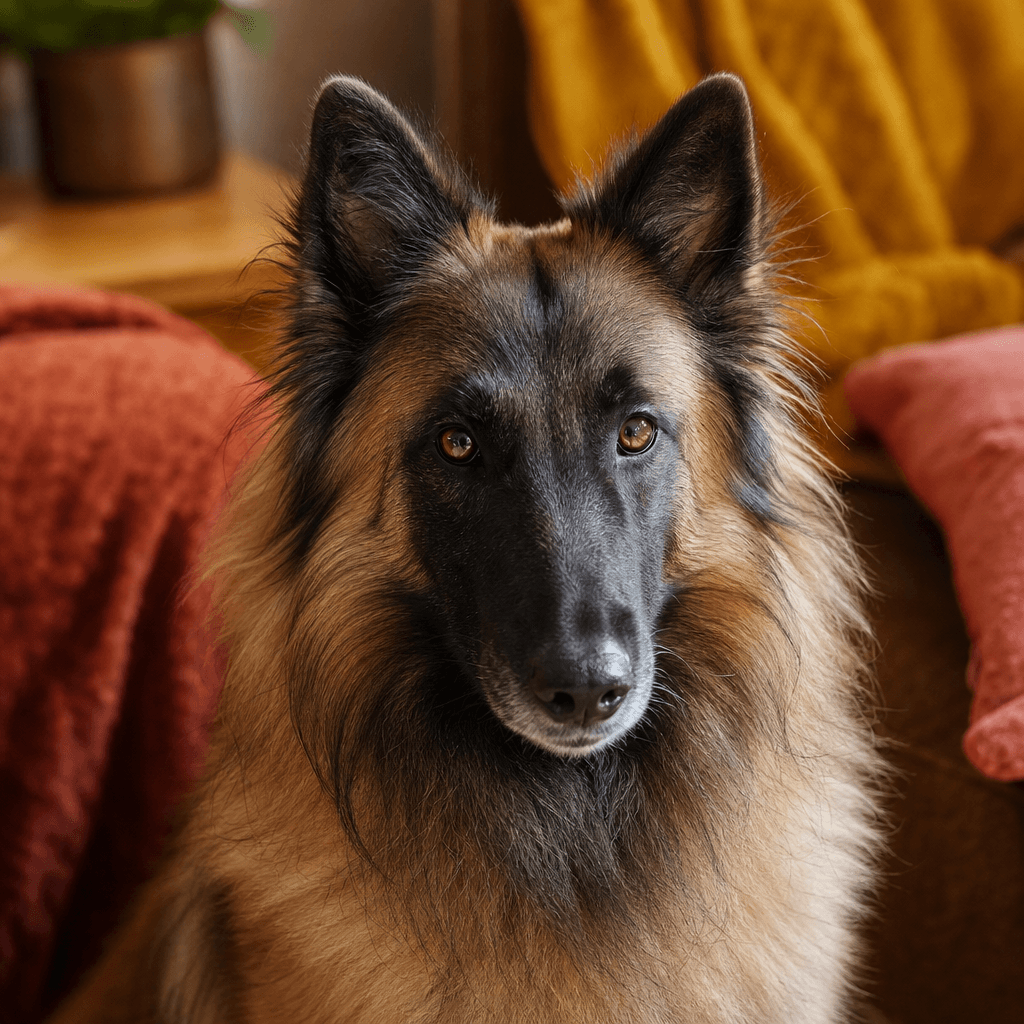
Is a Belgian Tervuren right for you?
16 quick questions
Question 1of 16
What does a typical Saturday look like for you?
The ideal answer: Out early: run, train, get things done
Perfect — this breed thrives when the day has shape and movement. If you enjoy morning miles followed by a training session or sport practice, a Tervuren will stay engaged and content. Expect a calm dog at home precisely because you spent its energy on purpose.
Question 2of 16
What kind of work or sport will you share with your Terv?
The ideal answer: We already train/compete in a dog sport
Fantastic — you’re speaking this breed’s language. A Terv that gets structured sport work several days a week tends to be focused, fulfilled, and a joy at home. You’ll appreciate the biddability and speed that make Belgians shine in rings and on trails.
Question 3of 16
How much vigorous exercise can you promise most days?
The ideal answer: 90–120 minutes (run, bike, hike, vigorous play)
Excellent — that range meets a Tervuren where it lives. Split it into a morning chunk and an evening tune-up, and you’ll own a dog that settles beautifully at home. Keep joints in mind while growing; build distance gradually.
Question 4of 16
Where will this dog live day to day?
The ideal answer: House with a yard and room to move
Ideal — a secure yard makes training breaks, decompression, and play simple. You’ll still plan real outings for brain and body, but day-to-day management gets easier. Add shade and a kiddie pool in summer for bonus points.
Question 5of 16
What’s your yard setup?
The ideal answer: 6-foot secure fence; supervised outdoor time
Excellent — that setup respects the breed’s athleticism and curiosity. You’ll prevent chase rehearsals and keep arousal lower, which pays off in training. Add a lock on gates and practice calm exits to avoid door dashes.
Question 6of 16
How will you teach a smart, sensitive worker?
The ideal answer: Reward-based, clear structure, daily reps
Perfect — that’s the recipe for a confident, thinking partner. Five- to ten-minute sessions sprinkled through the day keep skills sharp and manners easy. This approach also builds the trust that steadies a naturally vigilant dog.
Question 7of 16
What’s your background with working/herding breeds?
The ideal answer: I’ve owned/trained high-drive herding or working dogs
Great — your instincts for arousal, timing, and outlets will pay off. You already know management is kindness and that tired brains beat tired legs. This experience smooths the spicy adolescent months considerably.
Question 8of 16
How will you approach strangers, noises, and new places?
The ideal answer: Weekly classes + field trips with neutral greetings
Excellent — that steady diet of low-drama exposure is exactly right. Teach a default sit, reward check-ins, and let the dog observe without pressure. You’ll grow a stable adult who can handle the world with you.
Question 9of 16
Any children at home or visiting often?
The ideal answer: No kids or dog-savvy older kids/teens
Great — that’s the easiest setup. Expect a playful, attentive companion who slots into family routines and learns fast with consistent rules. Supervision still matters during high-arousal games.
Question 10of 16
Who else shares your home?
The ideal answer: Another medium/large dog; maybe a dog-savvy cat
Nice — with careful introductions and clear rules, that setup often works well. Parallel walks and reward-based neutrality build good habits. Feed and rest separately at first to prevent scuffles.
Question 11of 16
On a normal weekday, the dog would be alone…
The ideal answer: 0–4 hours — someone’s usually around
Great — that schedule matches a companion breed that wants to be in your life. Pair it with a morning workout and a settle-mat habit, and you’ll avoid nuisance behaviors. Expect a very involved shadow.
Question 12of 16
What grooming commitment sounds realistic?
The ideal answer: Weekly brush-outs, nails, and teeth; more during sheds
Perfect — that’s exactly what this coat needs. A slicker brush, metal comb, and a high-velocity dryer during coat blows will keep things tidy. The routine also helps you spot skin issues early.
Question 13of 16
Fur on your clothes, couch, and in the car?
The ideal answer: Small price to pay for the fluff
Right attitude — a lint roller by the door and washable throws keep life civilized. A robot vacuum on a schedule helps too. After a month, you’ll barely notice the tumbleweeds.
Question 14of 16
Your summers and winters are…
The ideal answer: Cool to mild; we adjust to weather easily
Great — you’ll have the widest training window outdoors. Your main job is drying after wet adventures and watching paws in winter salt. Everything else is smooth sailing.
Question 15of 16
How much alert barking can you live with?
The ideal answer: Fine with a watchdog — I’ll teach ‘enough/quiet’
Excellent — acknowledging the instinct and putting it on cue is half the battle. Reward calm after a couple of alerts and manage windows during high-arousal times. A well-worked Terv is quieter by default.
Question 16of 16
An unexpected $1,500 bill would be…
The ideal answer: Covered — savings or pet insurance in place
You’re set up for success, which matters with a working athlete. Insure early to avoid pre-existing exclusions, and budget for training as a non-optional line item. That cushion lets you focus on the fun parts.
Your result
Answer the 16 questions above and your match score appears here.