Belgian Malinois Match Quiz
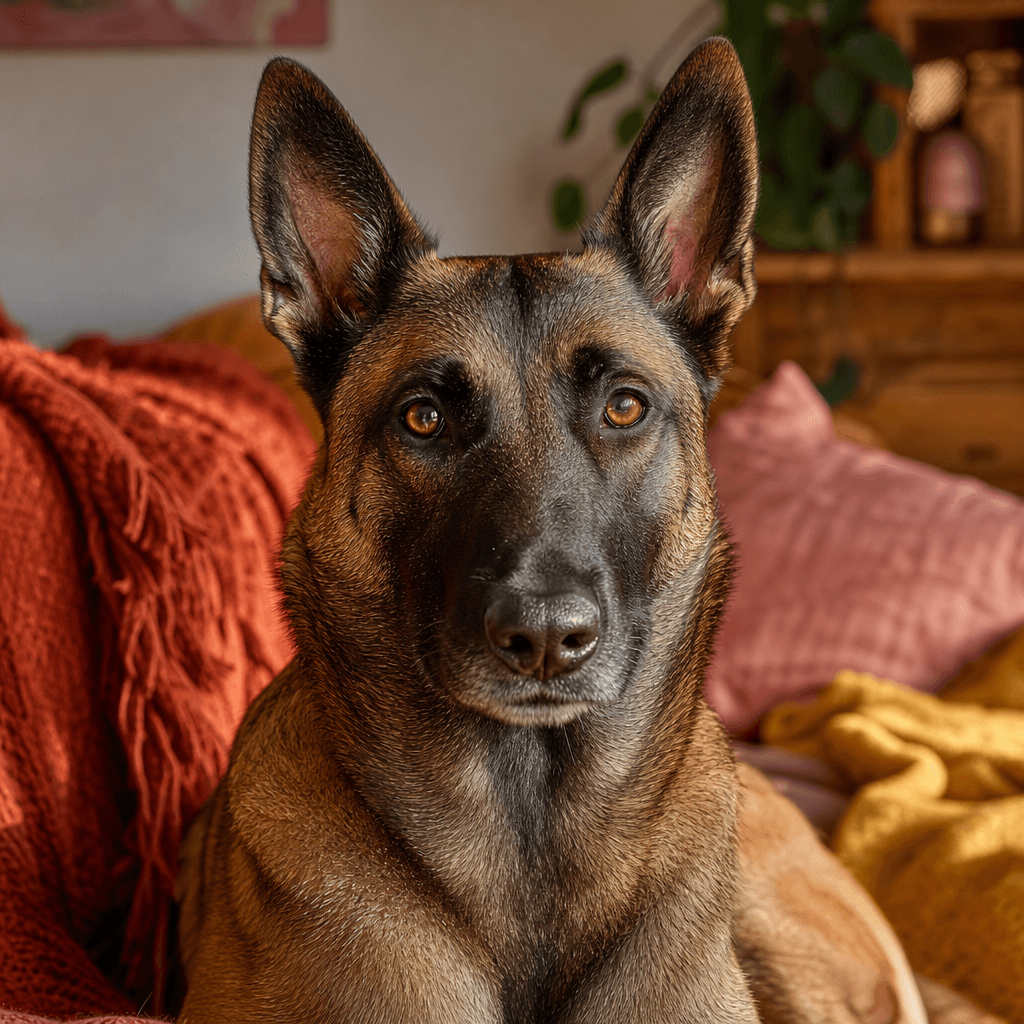
Is a Belgian Malinois right for you?
16 quick questions
Question 1of 16
How much vigorous dog work can you realistically do every day?
The ideal answer: 2–3 hours of training, running, or sport work most days
Perfect — that’s the neighborhood where Malinois thrive. With that time, you can split the day into brisk conditioning, obedience, and a bite/tug or scent session, which takes the edge off in a healthy way. Keep sessions purposeful and you’ll see the famous off‑switch emerge afterward.
Question 2of 16
What will be this dog’s primary outlet?
The ideal answer: Dog sport or working role (IGP/ring, agility, SAR, detection, herding, advanced obedience)
Love it — giving a Malinois a real curriculum is the clearest path to success. Clubs, decoys, scent fields, and trial goals provide structure and community, and the dog’s intensity becomes an asset instead of a household hazard. Plan on weekly coaching and daily homework; this is where the breed shines.
Question 3of 16
Your background with high‑drive dogs?
The ideal answer: I’ve trained high‑drive herders or protection breeds
Great — you know the difference between “hyper” and “drive,” and how to channel one into the other. Your timing, reinforcement skills, and boundary setting will pay off fast with this dog. Expect to have fun right away while you still refine the details.
Question 4of 16
Be honest: how will you train?
The ideal answer: Daily, reward‑based work with structure and clear rules
Excellent — that’s the recipe for a stable, powerful teammate. Use markers, food, and tug to build behaviors, then layer in fair consequences once the dog understands the job. You’ll get speed, reliability, and a dog that loves to work for you.
Question 5of 16
Where will the dog live and train?
The ideal answer: House with a 6–8 ft secure fence, a crate, and nearby training space
Perfect — containment and convenience buy you sanity. You’ll have a safe place for decompression, recalls, and tug sessions without turning the neighborhood into the training field. Keep locks latched and rotate yard time with real work so the fence doesn’t become a racetrack.
Question 6of 16
On a typical weekday, the dog would be alone…
The ideal answer: Rarely — someone’s around most of the day
Great — presence smooths everything with this breed. Rotate short naps in the crate with training and potty breaks and you’ll prevent boredom before it starts. You’ll see a calmer dog and far fewer “projects” on your return.
Question 7of 16
How often will you do focused brain work?
The ideal answer: Daily short sessions (10–20 minutes, 2–3x/day) plus enrichment
Excellent — that rhythm keeps arousal in the productive zone. Rotate skills (heeling, positions, scent puzzles) and you’ll see a relaxed dog afterward. You’ll also notice problems vanish before they start because you’re meeting the need upstream.
Question 8of 16
What’s the kid situation?
The ideal answer: No kids — calm adult home
That’s the easiest environment for a Malinois to settle. You can control arousal, keep routines steady, and focus on precise training. Guests still need clear rules, but your baseline is set up for success.
Question 9of 16
Any other animals at home?
The ideal answer: No other pets, or another sturdy, well‑managed dog
Great — that lowers the complexity. You can focus on neutrality in public and structured play at home without juggling prey triggers. Still use crates and breaks so play doesn’t boil over.
Question 10of 16
Dog hair reality check?
The ideal answer: Fine — lint rollers and a vacuum are standard
Perfect — this coat is low‑maintenance but not low‑shed. A quick weekly brush (daily during coat blow) plus a robot vacuum keeps things civilized. You’ll spend time training, not at the grooming salon.
Question 11of 16
Your climate and routine look like…
The ideal answer: Temperate, and I train early/late in summer
Ideal — that schedule protects a hard‑charging dog from heat stress. Use shade breaks, water, and place work between reps, and you’ll keep focus sharp. In winter, a brisk warm‑up prevents muscle tweaks.
Question 12of 16
When it comes to money for training and care…
The ideal answer: Comfortable — insurance and ongoing classes/clubs are in the plan
Great — you’re set up for the real costs of success. Insure early to avoid pre‑existing exclusions, and invest in coaching so progress stays steady. A small gear library (tugs, long lines, jumps) pays for itself in saved furniture.
Question 13of 16
How will you handle strangers, guests, and city life?
The ideal answer: Planned, structured socialization and neutrality work from day one
Excellent — you’ll grow a dog that can ignore the world and work with you. Reward check‑ins, practice settle on a mat, and pair exposures with easy wins. Crate during parties so the dog can opt out instead of escalating.
Question 14of 16
Malinois puppies are famously mouthy — how do you feel about tug and bite work as an outlet?
The ideal answer: Bring it — I’ll use tugs, teach an out, and channel it
Perfect — productive biting beats forbidden biting. Keep tugs put away unless you invite play, reward calm grips, and cue a clean out before restarting the game. That structure turns a problem into a powerful training tool.
Question 15of 16
Weekends and travel look like…
The ideal answer: Mostly home with predictable training windows
Great — predictability lets you stack wins. You’ll slot workouts, naps, and enrichment where they belong and see steadier behavior. That rhythm is gold for a Malinois.
Question 16of 16
About health screening and long‑term care, I’m…
The ideal answer: Proactive — I’ll seek health‑tested lines and do annual screenings/fitness
Excellent — that’s how you stack the deck. Ask for OFA or FCI hips/elbows and eye certifications, keep the dog lean and conditioned, and warm up before hard work. Small habits now mean a longer, sounder career.
Your result
Answer the 16 questions above and your match score appears here.