Belgian Laekenois Match Quiz
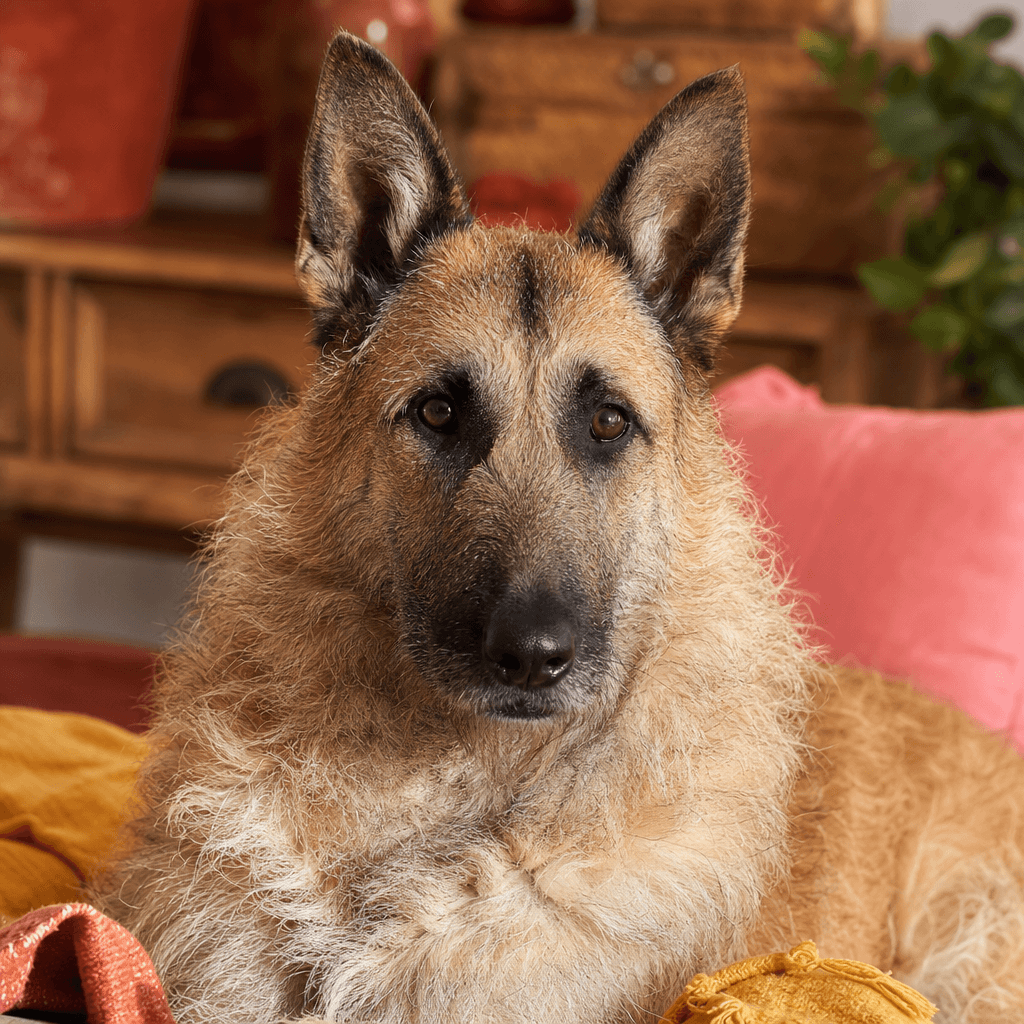
Is a Belgian Laekenois right for you?
17 quick questions
Question 1of 17
How much purposeful exercise do you realistically do most days?
The ideal answer: 90–120 minutes of hard work + brain games
Perfect — that’s the lane this breed lives in. With your plan, you can split the day into a conditioning session (run, hike, bike-joring safety permitting) and a thinking block (obedience, nose work, tug with rules), which keeps a Laek tired in the body and satisfied in the brain. That balance is how you prevent nuisance behaviors from ever starting.
Question 2of 17
How much hands-on training can you commit, week in and week out?
The ideal answer: 20–30 minutes daily, plus class or club work
You’re speaking this breed’s love language: repetition with purpose. Daily marker training, impulse control, and sport foundations let a Laek channel drive into skills rather than chaos. With that cadence, you’ll be amazed how quickly the dog learns to offer calm, thoughtful behavior.
Question 3of 17
Which best describes your dog-handling background?
The ideal answer: I’ve raised/trained high-drive herding or working dogs
That history sets you up beautifully. You already know the dance: channel drive, cap arousal, and make clarity your superpower. A Laek under a handler like you tends to look effortless in public because the work is happening, quietly, every day at home.
Question 4of 17
What does your space and yard situation look like?
The ideal answer: House with a secure 6-ft fenced yard
Perfect. A secure yard won’t replace exercise, but it’s gold for training recalls, decompression sniffing, and quick potty breaks. This breed’s springy athleticism makes 6 feet a sensible minimum; many can clear less without trying.
Question 5of 17
Beyond walks, what’s the plan for a ‘real job’?
The ideal answer: Weekly club/classes and practice 3–4 days/week
That’s the sweet spot. Regular coaching plus at-home reps channel drive into precise skills and deepen your bond. Dogs on this schedule typically settle well at home because their needs are met on purpose, not by accident.
Question 6of 17
When the dog gets amped or makes mistakes, your instinct is…
The ideal answer: Stay calm, use markers/rewards, manage arousal
You’re aligned with what works. Reward the choices you want, interrupt and reset the ones you don’t, and teach off-switch skills early. With your style, the dog stays confident and eager to work rather than defensive.
Question 7of 17
Puppy to adulthood, what’s your approach to socialization?
The ideal answer: Planned, calm exposures weekly through 18–24 months
Excellent — that’s how you grow confident instead of reactive. Think neutral dog sightings at distance, field trips to noisy places with decompression after, and handling drills with known friends. Keep it positive and you’ll have a steady adult.
Question 8of 17
What’s the kid situation and general household vibe?
The ideal answer: Adults/teens, generally calm home
Great fit. With clear rules and predictable routines, a Laek relaxes into its best self — attentive, affectionate, and easy to live with between work sessions. Expect a vigilant but mannerly housemate.
Question 9of 17
Any small pets or cats in the picture?
The ideal answer: No small pets; may live with a similar-size dog
Easy mode. Without small, fast triggers, you can focus on inter-dog manners and parallel decompression walks. Same-size housemates often thrive if intros are structured and resources managed.
Question 10of 17
On a typical weekday, your dog would be alone…
The ideal answer: Rarely — someone’s around or I use daycare/walker
Perfect. With company or a planned midday break, your Laek’s needs stay met and separation never becomes a project. Expect a dog that naps hard after morning work and greets the afternoon ready for a second round.
Question 11of 17
How much barking can your walls (and neighbors) handle?
The ideal answer: Some noise is fine; I’ll train a Quiet cue
Great — you’ll shape an on/off switch. Reinforce check-ins over fence patrolling, teach Place during deliveries, and pay the dog for silence after one alert bark. With structure, the voice becomes a tool, not a soundtrack.
Question 12of 17
Picture your ideal off-leash life. What does it look like?
The ideal answer: Long line now; fenced fields or proven recall later
Smart and safe. With your plan, you’ll build recall under distraction step by step, and the long line keeps rehearsal of bad choices near zero. That patience pays off in real freedom down the road.
Question 13of 17
How do you feel about caring for a rough, wiry coat?
The ideal answer: Weekly brushing + hand-stripping a few times a year
Perfect. With a slicker/comb and seasonal stripping (DIY or pro), the coat stays clean, sheds sensibly, and keeps its dirt-shedding, rain-resistant character. Baths stay minimal, which also helps skin and texture.
Question 14of 17
Dog hair on clothes and floors — how much can you tolerate?
The ideal answer: No problem — lint rollers are a way of life
Perfect attitude. A weekly vacuum plus your grooming routine will keep hair reasonable, and the wiry texture tends to drop rather than weave into fabric. Most owners stop noticing after the first month.
Question 15of 17
Describe your climate and how you’d adapt activities.
The ideal answer: Cool to temperate; we’re outside in any weather
Ideal. This coat excels in drizzle and wind, so you’ll miss fewer work days. Keep a towel by the door and watch paws in winter; otherwise, plow on happily.
Question 16of 17
An unexpected $1,000+ dog expense would be…
The ideal answer: Covered — savings or pet insurance in place
Great — that safety net matters. Working-breed households often spend more on training and sport than vet care, but when the latter hits (imaging, orthopedics, emergency care), it hits hard. Insure early to avoid pre-existing exclusions and sleep easier.
Question 17of 17
How often does your schedule swing or require travel?
The ideal answer: Pretty stable — I keep routines even when busy
Perfect. Consistency builds the dog you want: calm in the house, electric on cue. When life spikes, you’ll still hit the non-negotiables — movement, training, sleep — and your dog will roll with it.
Your result
Answer the 17 questions above and your match score appears here.