Australian Stumpy Tail Cattle Dog Match Quiz
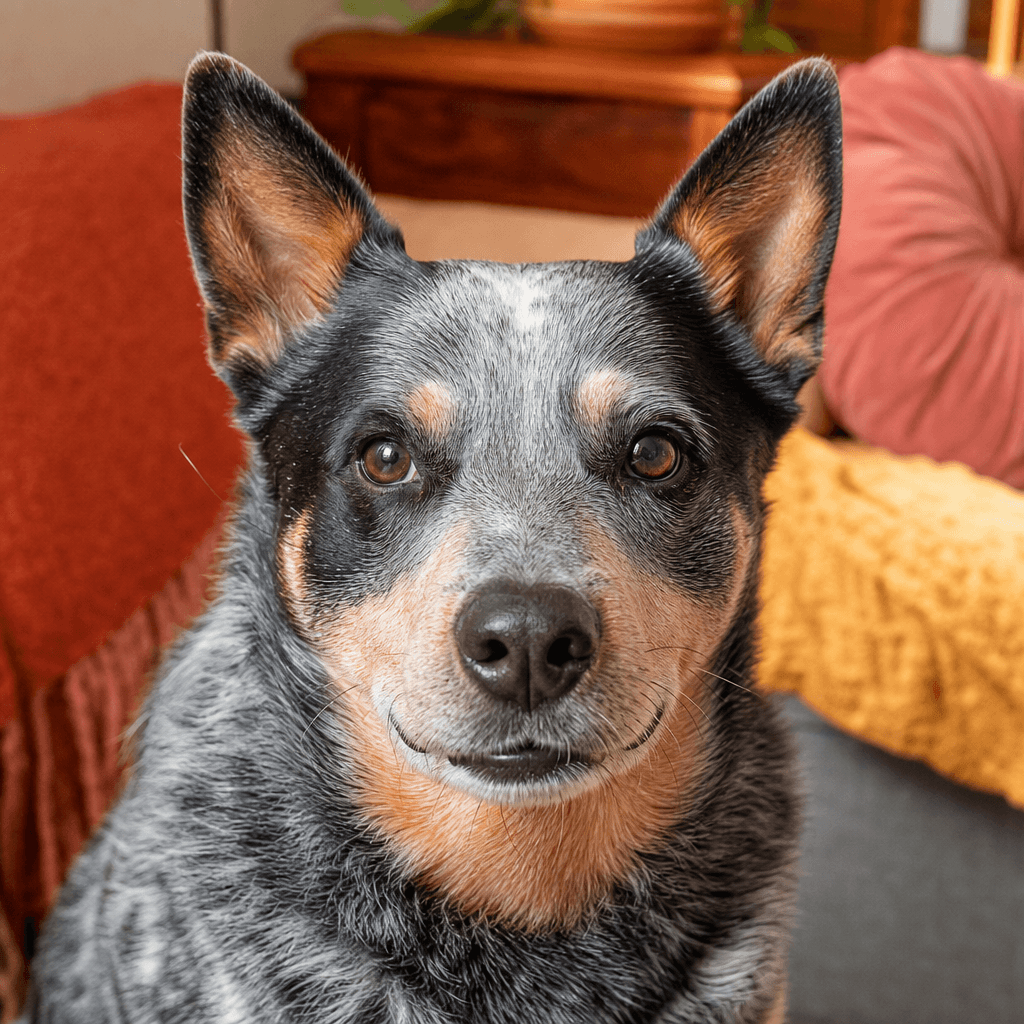
Is an Australian Stumpy Tail Cattle Dog right for you?
15 quick questions
Question 1of 15
How much purposeful exercise can you truly promise most days?
The ideal answer: 2+ hours with structure (runs, hikes, drills)
That’s exactly the tempo a Stumpy understands. With sustained cardio plus focused work, this dog’s edge softens into clarity — you’ll see the thoughtful, biddable partner people rave about. Keep it varied (hills, intervals, footwork) and you’ll get calm at home instead of chaos.
Question 2of 15
What’s your home base and outdoor setup?
The ideal answer: Rural property or farm with secure fencing
A working-friendly property is this breed’s sweet spot. With room to trot, chores to “help” with, and stout fencing to keep focus on you, a Stumpy’s instincts finally have an outlet. You’ll still need training and daily drills — land alone isn’t a job — but your setup stacks the deck.
Question 3of 15
What kind of “work” will you give this dog?
The ideal answer: Stock work or a structured sport plan (2–5 sessions/week)
Perfect. With real work on the calendar, your dog’s intensity finds a home and training suddenly gets easier because the job itself pays the dog. Keep sessions short and purposeful, and you’ll watch the legendary focus switch on.
Question 4of 15
Be honest — what’s your training background and approach?
The ideal answer: Comfortable with high-drive herders and clear routines
Great — you already speak this dog’s language. Mark and reward the behaviors you want, give crisp boundaries, and you’ll get laser focus without the friction that aversive-heavy methods can cause in sensitive workers.
Question 5of 15
How do you want your dog to behave around unfamiliar people?
The ideal answer: Calm, neutral, and keeps its space
Perfect match. With early, careful exposures and reinforcement for neutrality, a Stumpy can pass people like street furniture. That “see it, note it, ignore it” mindset is exactly what this breed does best in town.
Question 6of 15
What kids, if any, will be in the mix?
The ideal answer: No kids or older kids/teens (12+)
Ideal. Older kids can learn calm handling and enjoy a partner for sports and long hikes. Set house rules (no chasing, no rough play, dog has a quiet zone) and everyone thrives.
Question 7of 15
Who else shares the household?
The ideal answer: Single dog home; maybe a confident, dog-savvy cat
Great fit. A solo Stumpy pours all that focus into you, and many can coexist with a steady cat when introduced slowly and given dog-free zones. Expect to supervise early chases until the novelty wears off.
Question 8of 15
On a typical weekday, the dog would be alone…
The ideal answer: 0–4 hours, flexible schedule or dog walker
That’s right in the pocket. With a pre-work workout and a midday check-in, most Stumpies snooze and reset. Rotate chew projects and scent games to keep the brain busy while you’re out.
Question 9of 15
What’s your plan for off‑leash freedom?
The ideal answer: Leash or fenced areas only, long line for practice
Smart and safe. With controlled reps and a paycheck-level reward, your recall will get trustworthy without unnecessary scares. You’ll also protect wildlife, livestock, and your dog’s knees.
Question 10of 15
What’s your tolerance for hair and brushing?
The ideal answer: Weekly brushing and heavier seasonal sheds are fine
Perfect — that’s the whole program. A rubber curry or slicker plus a metal comb during spring/fall keeps the coat healthy and your house sane. The upside: no haircuts, ever.
Question 11of 15
Your local climate is…
The ideal answer: Mild/moderate; I can train dawn/dusk in summer
Great — that keeps pads cool and brains clear. With water breaks and smart pacing, your Stumpy will cruise through the year. Save sprints for cool mornings and you’ll avoid heat grumbles.
Question 12of 15
How would an $800–$1,200 surprise — or ongoing sport costs — land?
The ideal answer: Covered — savings or insurance, sports budgeted
You’re set up for success. With a policy in place young and a small slush fund for training and gear, the inevitable “weekend warrior” strains and routine screenings stay stress-free.
Question 13of 15
How much time can you devote to structured training and brain work?
The ideal answer: 20–40 minutes daily, plus enrichment
That’s the recipe. With two mini-sessions and puzzle work tucked into meals and walks, you’ll see a thoughtful teammate emerge. Consistency, not intensity, is what changes the dog you live with.
Question 14of 15
How much alert-barking can your home handle?
The ideal answer: Some alert barking is fine; I’ll train a quiet cue
Perfect attitude. Reward a few barks, mark the check-in, then cue quiet and pay generously — soon you’ll get a brief announcement and silence on command. Window film and white noise help in busy neighborhoods.
Question 15of 15
How will you go about getting your Stumpy?
The ideal answer: I’ll wait for a health-tested working/sport litter or adopt via breed rescue
Excellent. That patience gets you sound structure, stable temperament, and support from people who know the breed’s quirks. It’s the surest path to a great match.
Your result
Answer the 15 questions above and your match score appears here.