Australian Shepherd Match Quiz
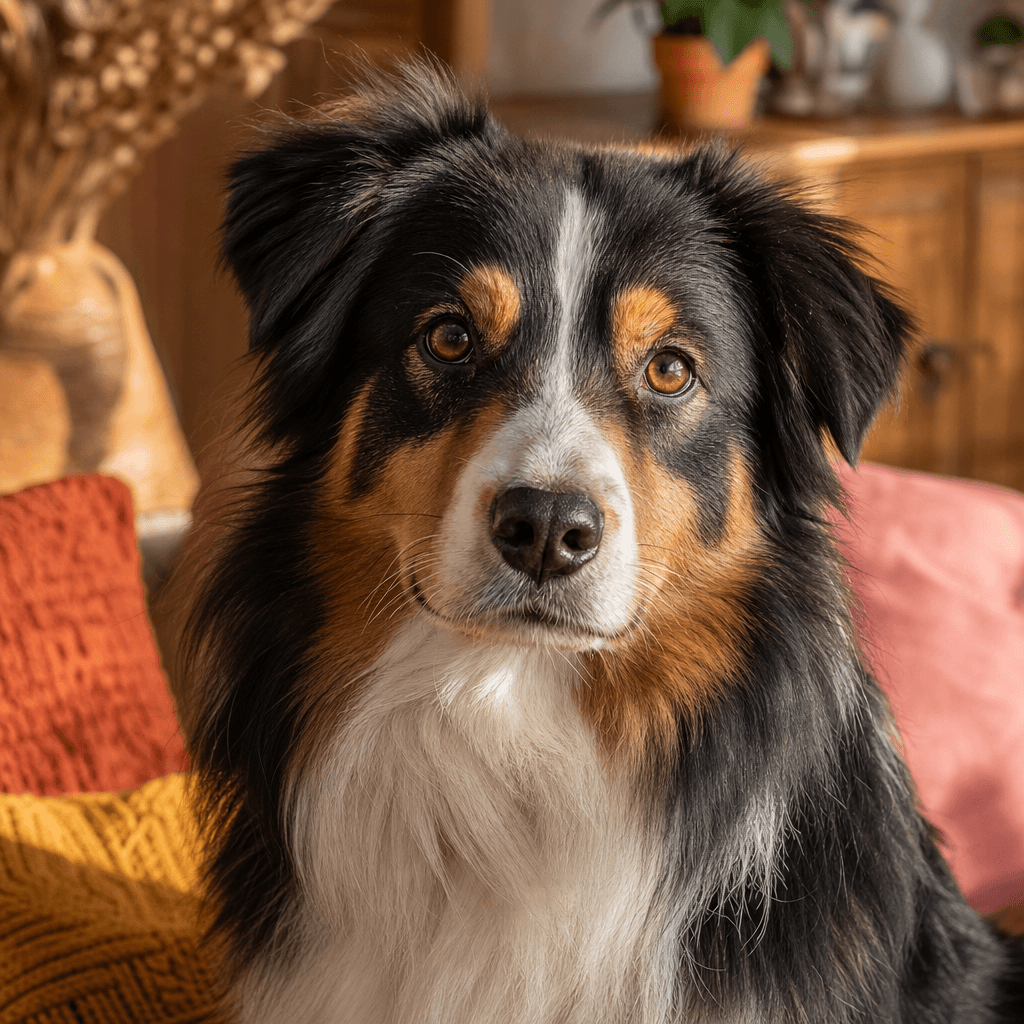
Is an Australian Shepherd right for you?
14 quick questions
Question 1of 14
How much time can you dedicate to hard exercise every day?
The ideal answer: 90–120+ minutes, rain or shine
That commitment is exactly what fuels a happy Aussie. With that much time, you can split sessions into a brisk morning workout and evening games or training, which keeps the mind and body content. This is the strongest predictor of an easy, enjoyable partnership.
Question 2of 14
How often will you do training games or dog sports?
The ideal answer: Daily short training and a weekly class or sport
Perfect — that rhythm gives your Aussie a real job. Five to ten minutes of focused training twice a day plus a weekly class channels drive into skills and keeps frustration low. You’ll see the famous "off switch" appear once the brain gets its due.
Question 3of 14
What’s your setup?
The ideal answer: House with a secure, 5–6 ft fenced yard
Great — a safe space to sprint and train is a big win. Use the yard for structured play and recalls, not as a substitute for walks; Aussies still need outside miles and new sights. Supervision prevents hobby digging and fence-running from turning into bad habits.
Question 4of 14
What do you picture on hikes?
The ideal answer: We’ll train on a long line and go off‑leash only when solid
That plan respects both safety and your dog’s instincts. Long-line practice lets you reward great choices while preventing reinforced bolting. When recall holds around wildlife and wheels, you’ll enjoy off‑leash with a lot less stress.
Question 5of 14
Any fast-moving kids at home?
The ideal answer: Older kids who can follow rules and help train
That’s a strong match. Teach the dog impulse control games and the kids how to cue calm sits before play, and you’ll see teamwork bloom. Redirecting chase into fetch or tug channels the instinct without the nips.
Question 6of 14
Any cats, chickens, or small pets?
The ideal answer: Yes — I’ll do slow intros and use gates/crates/leashes
That’s the right mindset. Controlled meetings, escape routes for cats, and zero unsupervised time around poultry keep everyone safe while the dog learns. Even with success, expect lifelong management around fluttery, fast animals.
Question 7of 14
On a typical weekday, the dog would be alone…
The ideal answer: 0–4 hours, with flexibility or midday company
Lovely — presence plus breaks suit this breed. You’ll find your dog settles after exercise and a puzzle, then is ready for more when you’re back. It’s the easiest way to prevent nuisance habits from ever starting.
Question 8of 14
Be honest: which sounds most like you?
The ideal answer: I enjoy daily, positive, structured sessions
That’s this breed’s sweet spot. Short, upbeat lessons with great rewards will show you how fast an Aussie can learn — and how much they love working with you. Consistency now pays you back for years.
Question 9of 14
Brushing and mud season — your plan?
The ideal answer: Brush 2–3x weekly, de‑shed during blowouts
Perfect — that’s exactly what this coat needs. A slicker brush plus an undercoat rake keeps mats away and manages shed, and a quick rinse-and-towel handles mud. Trim feet and hocks lightly if you like tidy, and you’re set.
Question 10of 14
Hair on black pants and in the car?
The ideal answer: Small price for a great dog
Love that outlook. A lint roller by the door, a robot vacuum, and a designated couch blanket are the winning trio. Once the routine’s in place, you stop noticing the fluff — but you keep noticing the dog.
Question 11of 14
Your climate and routine?
The ideal answer: Cool/temperate — we’re active in all seasons
Ideal. This coat was built for work in variable weather, and you’ll use it as intended. A drying towel and a quick brush after muddy outings keep everything tidy.
Question 12of 14
An unexpected $1,000 vet bill would be…
The ideal answer: Covered — savings or pet insurance
Great — that safety net lets you act quickly when needed. Insurance taken young can help with orthopedic imaging, eye care, and emergencies, while your savings handle deductibles. It keeps health quirks from turning into crises.
Question 13of 14
How much voice can you live with?
The ideal answer: Alert barks are fine — I’ll train a quiet
Perfect attitude. Rewarding silence after a single alert and giving your dog a job when guests arrive (place mat, hold a toy) keeps the volume civilized. Meeting exercise needs does the rest.
Question 14of 14
What’s your plan for finding your Aussie?
The ideal answer: Health‑tested breeder or a breed‑specific rescue
Excellent. You’ll start with clear information on genetics and temperament, plus lifetime support from people who know the breed. It’s the surest path to a healthy, well‑matched dog.
Your result
Answer the 14 questions above and your match score appears here.