Appenzeller Sennenhund Match Quiz
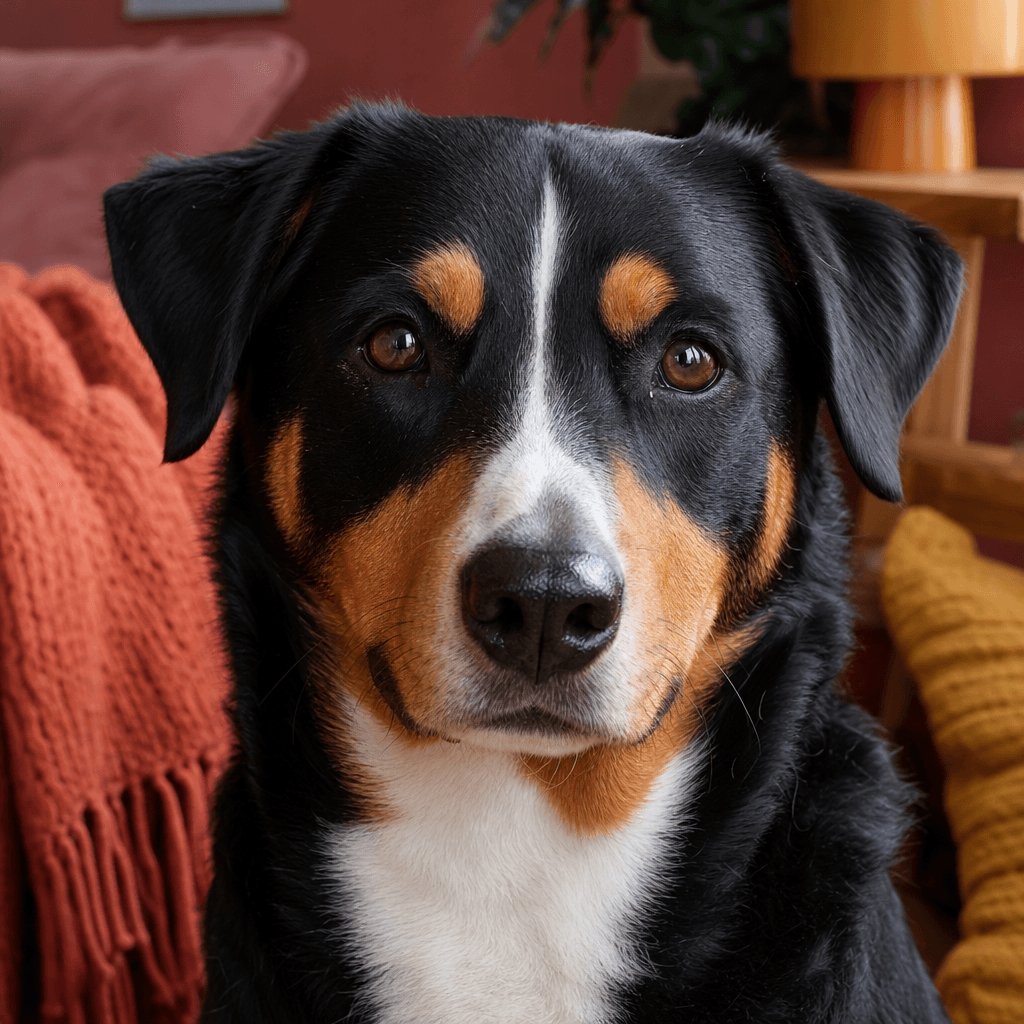
Is an Appenzeller Sennenhund right for you?
15 quick questions
Question 1of 15
How much real exercise can you give most days?
The ideal answer: About 2 hours: running, hiking, and training most days
Perfect — that’s the cadence this breed was made for. A mix of stamina work and short bursts of training drains both tank and mind, which is when an Appenzeller relaxes best at home. With your plan, you’ll see the bright, biddable athlete everyone raves about.
Question 2of 15
Beyond walks, what kind of mental work will you do?
The ideal answer: Regular sport/training: agility, herding, search, or nosework 3–5x/week
Fantastic — giving a job unlocks the best of this breed. An Appenzeller with structured sport work channels its alertness into crisp focus and becomes easier everywhere else. You’ll also have a blast: they’re fast, sure-footed, and love to learn.
Question 3of 15
What’s your outdoor setup?
The ideal answer: Detached home with a securely fenced yard (5–6 ft)
Great — that’s the safest canvas for an Appenzeller’s zoomies and patrol instincts. Solid fencing curbs roaming and keeps impulse-chasing in check when squirrels or delivery trucks go by. You’ll still plan daily outings, but your yard will make the in‑between hours much easier.
Question 4of 15
How much barking can your life (and neighbors) handle?
The ideal answer: Some noise is fine — we even want a watchdog
Perfect match for the breed’s instincts. With a taught “quiet” cue and clear house rules, you’ll keep the useful alerting and ditch the echo-y commentary. Expect to reinforce calmly and often during the first year as habits set.
Question 5of 15
On a typical weekday, your dog would be alone…
The ideal answer: Rarely — someone’s home or we use a walker/daycare
That’s ideal. An exercised Appenzeller who gets a midday break snoozes like a log and saves its fire for your evening training block. You’ll still crate-train and build independence gradually so the dog can cope when plans change.
Question 6of 15
Which approach sounds most like you?
The ideal answer: Daily, reward-based training with clear rules
Spot on — that’s the language they speak. Keep sessions short and fun, and you’ll get snappy obedience and a dog that offers behaviors eagerly. Pair that with impulse-control games and you’ll have a partner ready for anything.
Question 7of 15
What’s your dog background?
The ideal answer: I’ve lived with high-drive herding/working breeds
Great — you know the drill: front-load exercise, reinforce calm, and give the brain a job. That familiarity helps you steer the teenage firehose of energy into teamwork instead of conflict. You’ll likely enjoy how quickly this breed connects the dots.
Question 8of 15
How do you want your dog to greet new people at home?
The ideal answer: Calm alerting, then a cue to settle while guests enter
That’s the sweet spot for this breed. You’ll teach a reliable place/settle, reward neutrality, and let the dog greet on permission. Done well, you keep the watchdog you want and the hospitality your guests appreciate.
Question 9of 15
Any children at home?
The ideal answer: Kids 8+ who can follow dog rules
Great fit. Teach the kids to start and stop play on cue, park treats in a flat hand, and give the dog a quiet zone. In return, they’ll get a tireless backyard teammate and a vigilant friend.
Question 10of 15
Who else shares your space (and yard)?
The ideal answer: Another stable dog and/or dog-savvy cat
Nice — that’s usually a smooth combo with management. Do slow introductions, supervise early play, and give each pet escape routes. You’ll want rock-solid impulse control before you trust high-arousal games.
Question 11of 15
What are your expectations for off‑leash freedom?
The ideal answer: Long lines and fenced areas until recall is rock solid
Smart, and very breed-savvy. This lets you practice high-stakes recalls without gambling on traffic, wildlife, or strangers at a trailhead. That patience builds a recall you can actually trust later.
Question 12of 15
Your climate and routine look like…
The ideal answer: Cool to cold most of the year; we love winter hikes
Perfect terrain for this weatherproof worker. Snowy miles and crisp air bring out the best in their endurance. Just check paws for ice and keep ID tags extra secure if you’re romping off-road.
Question 13of 15
About grooming and shed…
The ideal answer: Weekly brushing, nails/ears/teeth — no problem
Great — that’s truly all the routine asks most weeks. A rubber curry or slicker keeps the coat shiny, and you’ll catch skin or paw issues early. Expect tumbleweeds during seasonal shed and step up brushing then.
Question 14of 15
Budget-wise, an unexpected $800–$1,500 expense would be…
The ideal answer: Covered — we have savings or pet insurance and class budget
Excellent — that margin turns problems into plans. Insurance early in life helps with orthopedic surprises, and a training budget keeps the brain busy in the best ways. You’ll spend the money you intended, not the money emergencies demand.
Question 15of 15
Picture your ideal Saturday together:
The ideal answer: Long hike or run, plus a training class or field session
Chef’s kiss — that’s the dream weekend for an Appenzeller. You’ll come home with a pleasantly tired dog who’s happy to nap at your feet. Stack those weekends and weekday manners get easier and easier.
Your result
Answer the 15 questions above and your match score appears here.