Turkish Angora Match Quiz
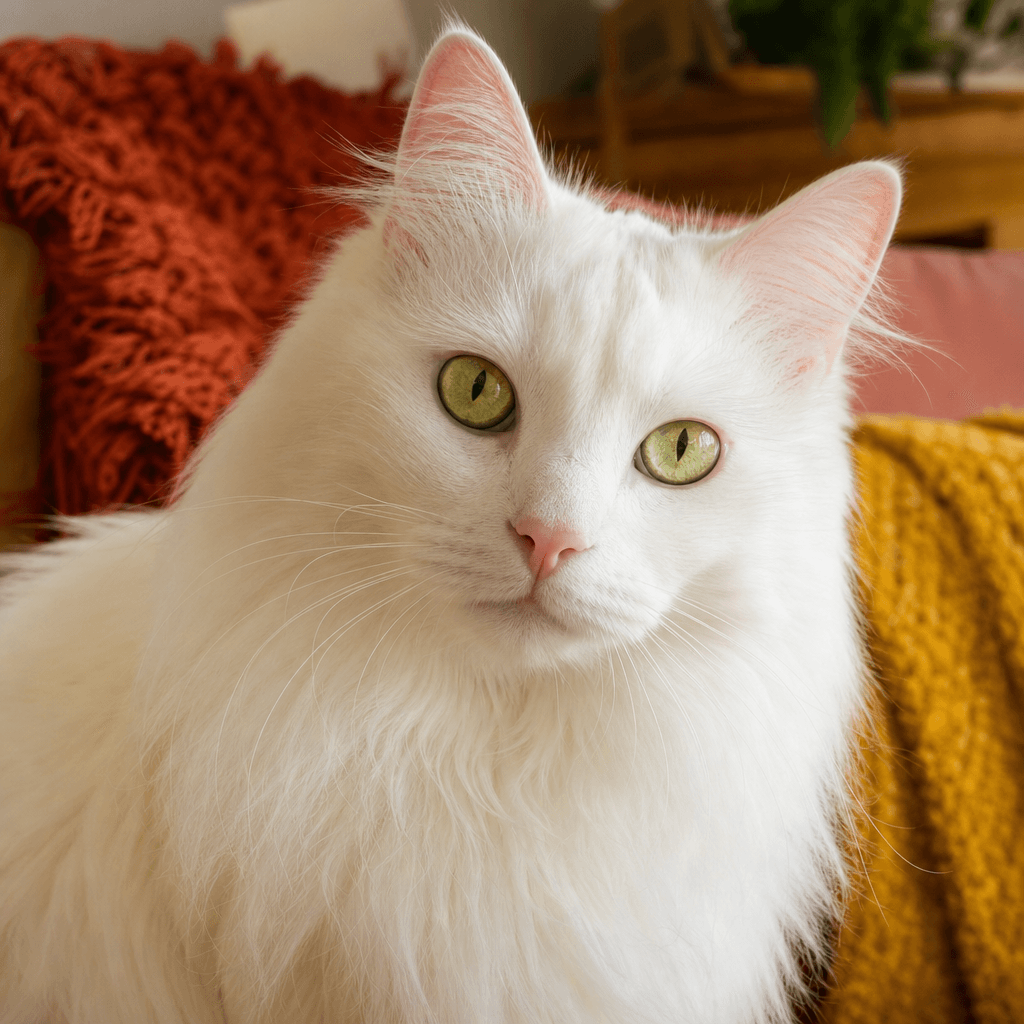
Is a Turkish Angora right for you?
14 quick questions
Question 1of 14
How much active play can you offer most days?
The ideal answer: Two to three play sessions plus wand-toy workouts
Perfect — you’re speaking Angora. With several daily bursts of wand-toy chases, fetch, and puzzle feeders, this breed stays focused, affectionate, and pleasantly tired. Your consistency channels their energy into fun instead of midnight zoomies.
Question 2of 14
What does your cat’s territory look like?
The ideal answer: Cat trees and wall shelves — height everywhere
Excellent — that’s Angora heaven. With high perches and routes between them, you’ll see calmer ground behavior and fewer plant pot excavations. They’ll use the space like a parkour course and nap where the view is best.
Question 3of 14
Weekly combing and a quick tidy during shedding season?
The ideal answer: Absolutely — combing is easy to fit in
Perfect. A wide-tooth comb once or twice a week keeps the coat glossy and prevents underarm and pantaloons tangles. During seasonal sheds, a few extra minutes every other day will keep tumbleweeds at bay.
Question 4of 14
Any allergy or shedding limits at home?
The ideal answer: Hair on clothes is fine; no allergies here
Great — you’ll take the fluff in stride. Expect light-to-moderate shedding year-round and a bit more in spring. A quick weekly vacuum and a couch throw will keep your place looking sharp.
Question 5of 14
On a typical weekday, they’d be alone…
The ideal answer: Rarely — someone’s home most of the day
That’s ideal. An Angora will shadow you, supervise tasks, and slot play into your breaks. Expect a content cat who saves the zoomies for playtime, not when you’re on calls.
Question 6of 14
Which best describes your home?
The ideal answer: Adults/older kids who love to play and include the cat
Lovely match. This breed thrives on daily play and conversation, and older kids often become their favorite co-conspirators. Teach gentle handling and you’ll have a graceful clown in the heart of the action.
Question 7of 14
Any other animals in the mix?
The ideal answer: A playful cat or a cat-friendly dog
Great pairing. With a proper intro and outlets for energy, an Angora often becomes the ringleader of games. Expect supervising from the tallest perch and occasional gentle bossiness.
Question 8of 14
How into training and puzzles are you?
The ideal answer: Love clicker games, puzzles, trick sessions
Perfect match. Angoras bloom with short, upbeat sessions and will happily target, spin, and jump on cue. Your engagement turns a clever cat into a delightful partner instead of a bored escape artist.
Question 9of 14
Cat commentary levels you’re cool with?
The ideal answer: Love a conversational cat
Wonderful — you’ll enjoy the full Angora script. Expect greetings at the door, hallway narrations, and back-and-forth mews when you talk. It’s half the charm of the breed.
Question 10of 14
If a vet recommends an $900 heart echo or hearing test, you’d…
The ideal answer: Plan ahead — savings or pet insurance cover it
Smart plan. Insurance or a set-aside fund turns HCM screening, BAER hearing tests for white kittens, and dental cleanings into routine care, not crises. Locking in a policy young keeps premiums lower.
Question 11of 14
Your plan for access to the outdoors and home hazards?
The ideal answer: Indoor-only with secure screens and lots of enrichment
Excellent. With perches, puzzles, and play, an indoor Angora lives a long, rich life. You also avoid the big risks: cars, parasites, theft, and wildlife.
Question 12of 14
Your home climate most of the year?
The ideal answer: Temperate weather or reliable climate control
Ideal. With stable indoor temps, your Angora will simply choose the sunbeam or the fleece blanket as needed. You can focus on play and grooming instead of weather management.
Question 13of 14
Scoop and box setup you’ll keep?
The ideal answer: Daily scoop, multiple boxes, low-dust litter
Gold standard. One box per cat plus one, scooped daily, keeps an Angora faithful to the bathroom plan. Uncovered, roomy boxes usually win with this breed.
Question 14of 14
How do you feel about a cat who plays with water?
The ideal answer: Faucet paw-dips and shower supervision sound fun
You’ll adore this quirk. Offer a pet fountain and expect the occasional soggy toy. Just keep toilet lids down and aquariums secured so curiosity stays cute, not hazardous.
Your result
Answer the 14 questions above and your match score appears here.