Ragdoll Cat Match Quiz
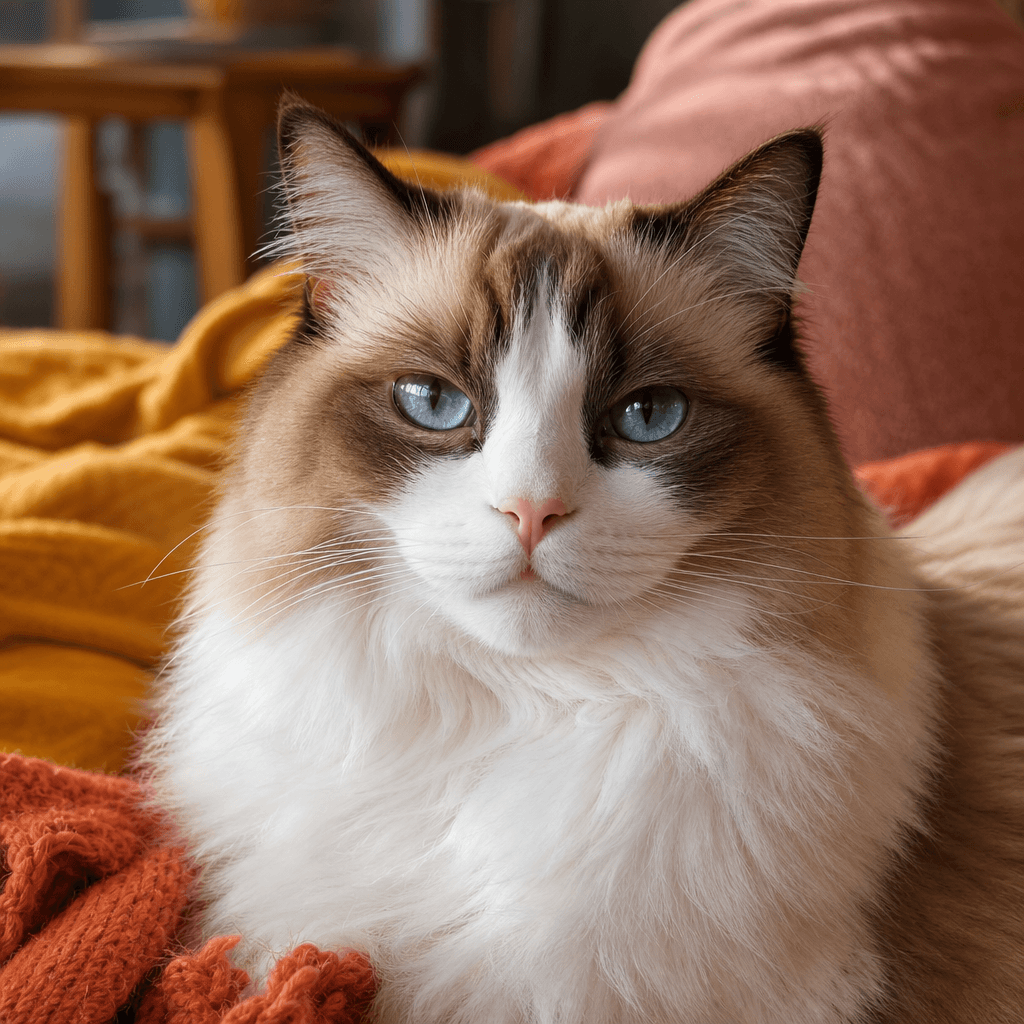
Is a Ragdoll Cat right for you?
14 quick questions
Question 1of 14
Most evenings at home look like…
The ideal answer: Couch time with a few wand-toy sprints
That easy rhythm is exactly a Ragdoll’s comfort zone. A couple of playful bursts plus long stretches of companionship fits their laid-back nature and helps prevent the weight gain this big, calm breed can drift toward. Keep it consistent and you’ll have a happy, purry shadow.
Question 2of 14
What’s home base?
The ideal answer: An apartment with screened windows and a couple of perches
Perfect. Ragdolls don’t need palaces — they need safe vantage points and you. A solid, low-to-mid-height tree and a window seat will do more for this breed than a maze of shelves they’ll politely ignore.
Question 3of 14
Be straight: brushing and basic grooming…
The ideal answer: I can comb 2–3 times a week and keep up on nails/dental
That’s the sweet spot. A stainless steel comb plus a soft slicker prevents mats entirely and keeps shedding civilized, and pairing it with nail trims and tooth brushing pays off in fewer vet visits. Your cat will learn to love the ritual if you keep it gentle and treat-fueled.
Question 4of 14
Cat hair on clothes and furniture — and allergies?
The ideal answer: Hair happens — I own a lint roller and a vacuum
Great attitude. A quick daily sweep and a washable throw on favorite nap spots make the fluff a non-issue. Regular combing grabs loose hair before it travels, and most owners stop noticing within a few weeks.
Question 5of 14
Your plan for where the cat spends time:
The ideal answer: Indoor-only with enrichment; maybe leash/catio time
That’s the gold standard for this breed. Indoor life protects their sweet, trusting nature, and you can meet their needs with windows, perches, play, and the occasional harness stroll. Your furniture becomes their favorite landscape — and that’s exactly what they want.
Question 6of 14
On a typical weekday, your cat would be alone…
The ideal answer: Rarely — I’m home or WFH most days
Perfect for a people-cat. Expect a quiet shadow who settles by your feet during calls and relocates with you from desk to sofa. This is where the breed’s affectionate nature really shines.
Question 7of 14
Which describes your household best?
The ideal answer: Adults or older kids who handle gently
Lovely match. Teach everyone to support chest and rear when carrying, and you’ll see the classic Ragdoll melt. In this calm context, they blossom into confident, affectionate companions.
Question 8of 14
Your interest in play, puzzles, and maybe leash training:
The ideal answer: I’m into it — daily play, puzzles, maybe harness walks
Perfect. Short, upbeat sessions bring out a Ragdoll’s curiosity and strengthen the bond you want. Many learn sit, high-five, and calm leash strolls with ease when the rewards are clear.
Question 9of 14
An unexpected $600–$1,000 vet bill would be…
The ideal answer: Covered — savings or pet insurance
Great position to be in. Insurance started young keeps premiums lower and helps with bigger what-ifs, while a savings buffer makes routine care (vaccines, dentals) stress-free. It lets you say yes to care rather than hesitating.
Question 10of 14
How will you choose your Ragdoll?
The ideal answer: Health-tested breeder or rescue; I’ll verify paperwork
Excellent plan. Asking to see HCM test results and vet records protects you and the cat, and good breeders or rescues welcome those questions. You’re setting yourself up for a smoother, healthier start.
Question 11of 14
Day-to-day healthcare habits you’re up for:
The ideal answer: Annual exams, dental care, weigh-ins, hydration plan
Perfect. Wet food, a fountain or multiple bowls, and monthly weight checks keep this big breed trim and comfortable. Your vet can guide HCM screening based on lineage and age, catching issues early if they arise.
Question 12of 14
What’s your plan for those claws?
The ideal answer: Multiple sturdy posts/pads, nail trims, maybe Soft Paws
You’re set up for success. Offer a tall sisal post, a heavy horizontal scratcher, and reward the cat for using them; redirect gently if the couch tempts. Regular trims keep snags down, and you’ll never need to contemplate harmful options like declawing.
Question 13of 14
Your box setup and cleaning rhythm:
The ideal answer: Jumbo open boxes, daily scoop, 1.5 boxes per cat
Gold star. Ragdolls appreciate roomy boxes and clean footing, and your routine will keep odors down and bladders happy. It’s the simplest way to avoid preventable vet visits.
Question 14of 14
Your home’s seasons feel like…
The ideal answer: Consistently climate-controlled, cool spots in summer
Ideal. You’ll protect coat condition and comfort, and your cat will naturally seek out cool tile or cozy beds as needed. This steady environment supports good hydration and overall health.
Your result
Answer the 14 questions above and your match score appears here.