Eight key facts about the Boxerdoodle
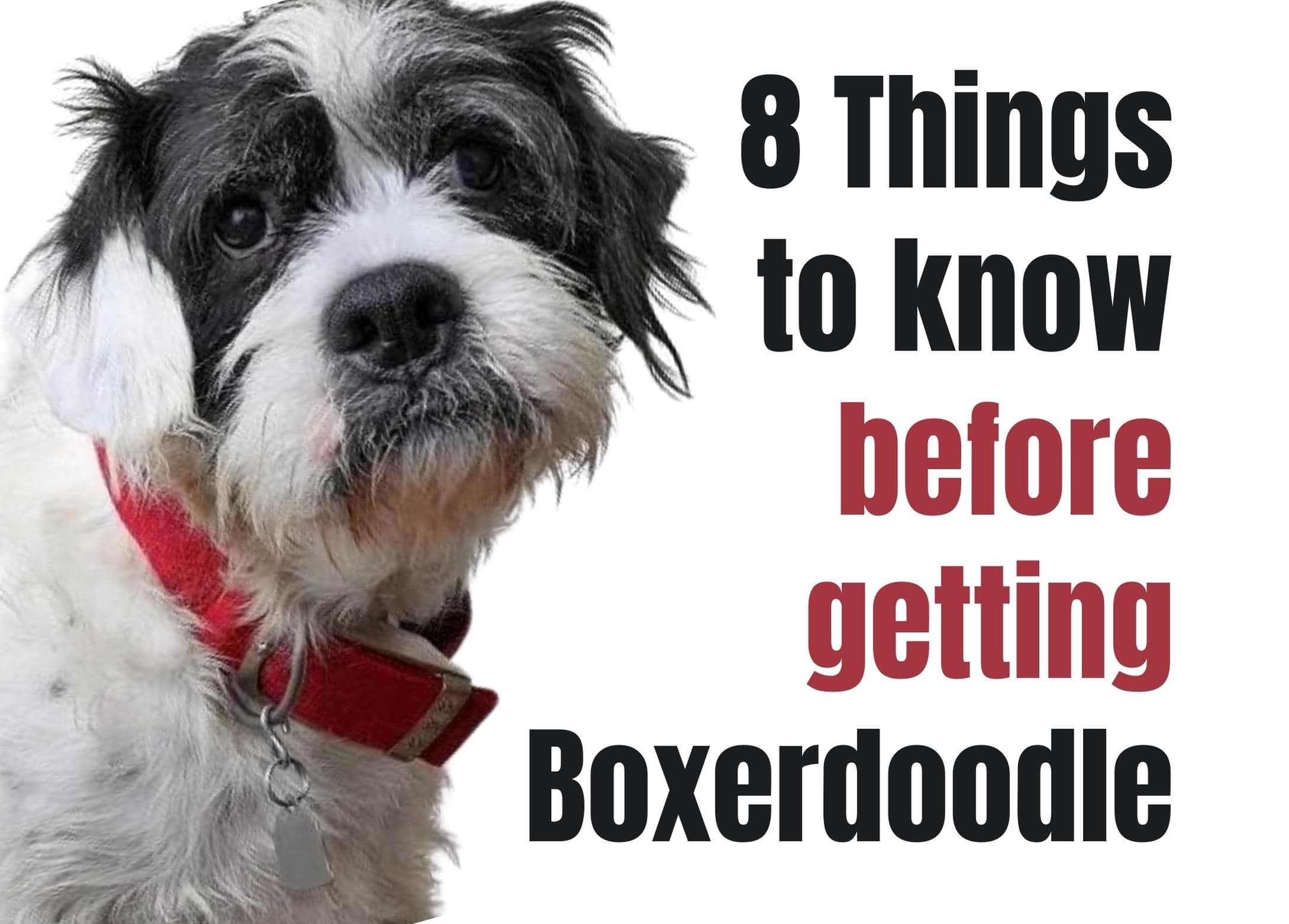
Thinking about a Boxerdoodle? Then you already sense the appeal: an athletic, whip-smart dog that mixes the Poodle’s clever, social charm with the Boxer’s strength and loyalty.
Here’s the honest truth, though — this is not a one-size-fits-all dog.
Spend time around doodle mixes and you learn fast that the Boxerdoodle keeps you on your toes. So before you fall in love with the photos, let’s walk through the eight things that actually matter when you’re living with one.
Start with the trait that surprises most new owners: the energy.
1. Boxerdoodles Are Big and Full of Energy
Let’s be clear about one thing: this is not a couch-potato breed.
Most Boxerdoodles come from a Standard Poodle crossed with a Boxer. That means a dog that can stand **15–25 inches tall** and weigh **40 to 70 pounds** — strong, athletic, and built for movement.
Here’s the catch: skip the daily exercise and you’ll pay for it.
Without a way to burn energy, these dogs get restless — and restless quickly turns into chewed shoes, dug-up yards, and endless pacing. What this means in practice: a fenced yard or a real daily routine isn’t optional.
If you’re an outdoorsy person, this breed will match your energy beautifully. If you’re not, keep reading — the honesty here saves everyone heartache.
Now let's talk about the biggest wild card: the coat.
2. The Coat Can Be a Real Surprise
You might be wondering what your puppy will actually look — and feel — like as it grows.
Here’s where the mix gets unpredictable: will your pup get the Poodle’s curly, low-shed hair, the Boxer’s short shedding coat, or something in between?
You’ll usually get a decent idea by **8 weeks old**, but even then, grooming needs vary a lot.
Leans Poodle
Curly, low-shedding coat that mats easily. Expect daily brushing and regular groomer trips.
Leans Boxer
Short, smooth coat that sheds more but needs far less brushing.
The bottom line on coats? There is no truly “low-maintenance” version here. Grooming is simply part of the deal — the only question is which kind.
The coat is a wild card. The personality? Even more so.
3. Personalities Vary — Be Ready for Anything
Poodles are famously friendly and outgoing. Boxers are more protective and serious, especially with strangers.
So with a Boxerdoodle, you might get a social butterfly, a loyal watchdog, or something right in the middle.
“The one thing you can count on with a Boxerdoodle is smarts.”
Both parent breeds are intelligent, so training comes naturally — but don’t coast on that. Skip the obedience work and you’ll regret it.
Which brings us to the single most important thing on this list.
4. Socialization Is Non-Negotiable
Because Boxers can be naturally wary, your Boxerdoodle needs solid socialization from day one.
That means gentle, frequent exposure to other dogs, people, kids, and even everyday household noises. Make it positive. Make it consistent.
- Introduce new people and dogs early and calmly
- Pair new experiences with treats and praise
- Expose to household sounds — vacuum, doorbell, TV
- Wait until adulthood to start socializing
- Force interactions when your dog looks scared
Skip this step and your dog may grow up anxious or reactive, especially around strangers.
But do it right, and the payoff is huge: Boxerdoodles can be gentle, affectionate, and genuinely great with kids and other pets — as long as introductions are handled well and supervision is in place.
Children
Great with careAffectionate and playful, but supervise around small kids given the size and energy.
Other dogs
GoodThrives with early socialization and proper introductions.
Cats & small pets
With careIndividual and depends on temperament; slow introductions help.
Strangers
DependsMay lean protective like a Boxer — socialization shapes this most.
Solid socialization builds the mind. Now let's protect the body.
5. Health: Start With the Parents
Boxerdoodles are generally healthy dogs. But like every breed, they can inherit issues from either side of the family tree.
A few things are worth watching for:
- **Hip dysplasia** — common in larger, athletic breeds
- **Heart problems** — something the Boxer side can carry
- **Bloat** — a serious, fast-moving concern in deep-chested dogs
This is exactly why the breeder matters so much. A reputable breeder or rescue that shares health information openly is your best insurance.
You know the facts. Now for the honest verdict.
6. So, Is the Boxerdoodle Right for You?
Let’s be straight: this mix isn’t for everyone.
They’re active, smart, and sometimes a little unpredictable in both looks and temperament. That combination overwhelms some owners.
Pros
You'll love a Boxerdoodle if…
- You’re active and want a hiking, running, or play buddy
- You enjoy training and mental challenges
- You have space and a fenced yard
- You want a loyal, affectionate family dog
Cons
You might struggle if…
- You’re gone long hours with no exercise plan
- You want a truly low-maintenance, low-grooming dog
- You prefer a fully predictable temperament
- You’re a hands-off, low-energy household
But here’s the reward for showing up: a dog that keeps you moving, makes you laugh, and stays fiercely loyal.
“This is a dog that needs you to show up fully, every day.”
If that sounds like your kind of challenge, the Boxerdoodle might just be your perfect match.
Frequently Asked Questions
They can be, but with eyes open. Their intelligence makes training rewarding, yet their high energy and need for daily exercise and socialization demand real commitment. A motivated, active first-timer can do well; a busy or hands-off one may find them a handful.
Plan on at least two active sessions a day — long walks, hikes, dog-park play, or swimming. Without enough movement, they tend to get restless and destructive.
It depends which parent they take after. A Poodle-leaning coat sheds little but needs daily brushing and regular grooming, while a Boxer-leaning coat sheds more but needs far less brushing. There’s no truly low-shed guarantee.
Yes, when raised with proper socialization. They’re typically affectionate and playful, but supervision is smart around small children given their size and enthusiasm.
Often yes, especially with early socialization and calm, gradual introductions. Individual temperament varies, so introduce new dogs and cats slowly.
Some are. If your dog leans toward the Boxer side, it may be more wary of strangers and naturally protective. Socialization heavily shapes whether that becomes a healthy alertness or unwanted reactivity.
With good care, a healthy diet, and regular vet checkups, many Boxerdoodles live 10–14 years, and some live longer.
Meeting their energy needs day in and day out, plus the unpredictability of coat and temperament. If you can commit to exercise, training, and early socialization, the rest tends to fall into place.

Sviatoslav Oleksiv founded The Pets and Love in 2019. A lifelong pet owner and Rhodesian Ridgeback enthusiast, he writes and edits our guides to help fellow pet parents give their animals the best care.
Every guide follows our editorial standards. This article is for informational purposes only and is not a substitute for professional advice — always consult a licensed veterinarian about your pet's health.