16 things to know before getting an American Hairless Terrier
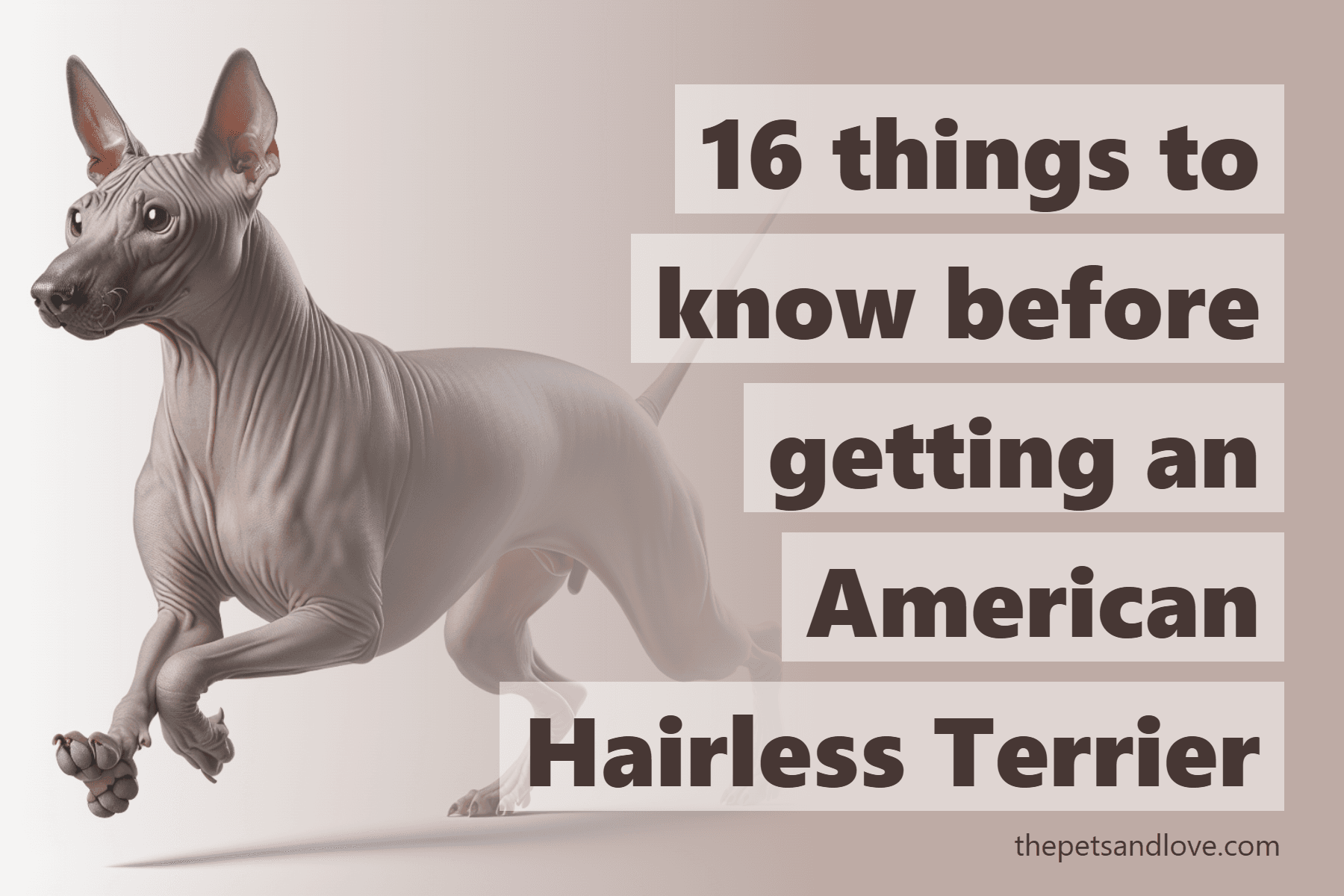
Thinking about bringing home an American Hairless Terrier? Then you already know these little dynamos are playful, affectionate, and bursting with personality.
But here's the thing: they're not your average lapdog.
Their hairless nature comes with quirks — and care needs — that most people don't see coming. So before you fall head over heels for those big eyes and that smooth, warm little body, let's walk through what you actually need to know.
Let's start with the myth almost everyone believes.
1. Great for Allergy Sufferers — But Not Hypoallergenic
Let's clear this up right away: no dog is truly hypoallergenic. Not one.
Here's the good news, though. AHTs produce less dander and don't shed fur all over your couch, which can make life much easier for people with mild allergies.
But there's a catch: they still have skin oils and allergens. So spend real time around one before committing — a quick meet-and-greet won't tell you enough.
Now, about that surprisingly cuddly personality.
2. Affectionate, Loyal, and a Little Bit Extra
For a terrier, this breed is shockingly cuddly. They adore their people and often pick one favorite human.
That bond can be sweet. It can also tip into clingy.
Here's where it gets tricky: if you let them bond too tightly with one person, they may start tuning out everyone else in the house. Shared responsibilities and consistent rules keep that balance healthy.
“They'll stick to you like Velcro — literally. This breed lives to cuddle.”
Older kids
GreatPlayful and durable enough for confident older children.
Toddlers
With careFine when both sides learn boundaries — always supervise.
Other dogs
GoodSociable when socialized early.
Small pets
RiskyStrong prey drive — not safe with hamsters or rabbits.
Speaking of that prey drive...
3. High Energy, High Fun
AHTs are little balls of energy. Take them on a long walk and you'll still catch them zooming laps around the living room an hour later.
They need at least **30 minutes** of daily exercise plus mental stimulation to stay happy. Skip it, and they'll invent their own entertainment — usually barking, digging, or mischief.
You might be wondering: is a fenced yard enough?
Here's the part that catches most first-timers off guard.
4. Sensitive Skin Means Special Care
No fur means no natural protection from the elements. Their skin is exposed to everything — sun, cold, scrapes.
So skincare isn't a luxury here. It's part of daily ownership.
- Apply dog-safe sunscreen before sun exposure
- Use sweaters or jackets in cold weather
- Give regular baths with a gentle shampoo
- Keep up with nail trims, dental care, and ear checks
- Skip skincare because “they seem fine”
Neglecting their skin can lead to irritation or even infections. This is the single biggest thing owners underestimate.
So how do they behave around strangers?
5. Social Butterflies With a Watchdog Bark
Socialize them early and AHTs are friendly with both people and other dogs. But they love to sound the alarm at every little noise.
Don't expect a serious guard dog, though. They'll bark at an intruder — then probably lick them.
They can get a little territorial when they feel their space or favorite human is threatened. Training and steady social exposure smooth this out fast.
6. Smart and Trainable — With a Stubborn Streak
These dogs are sharp and genuinely enjoy learning tricks. The challenge? That classic independent terrier mind.
Keep sessions short, fun, and positive. Harsh corrections backfire with this breed.
The AHT training playbook
- Stay calm and consistentA confident, steady tone works far better than raised voices.
- Keep it short and playfulTerriers lose interest fast — end while they still want more.
- Reward, don’t punishPositive reinforcement is the only approach that sticks.
- Start crate training earlyIt gives them a safe space and helps with separation anxiety.
7. Digging Is in Their DNA
You might wake up one morning to find your yard completely redesigned. AHTs love to dig — it's wired into them.
Fighting the instinct outright rarely works. Redirecting it does.
Let's talk keeping them healthy and well-fed.
8. Health and Diet: Keep It Clean and Balanced
AHTs are generally healthy little dogs. But like every breed, they have their vulnerabilities.
Common things to stay aware of include skin issues, heart murmurs, and thyroid problems. A reputable breeder and regular vet checkups go a long way.
Two meals a day
Feed high-quality dog food split into two daily meals rather than free-feeding.
Watch the waistline
Their small size means weight creeps on fast if overfed or under-exercised.
Fresh water always
Keep clean water available at all times, especially given how they sweat.
Regular vet visits
Routine checkups catch skin, heart, and thyroid issues early.
Quick poll
What worries you most about owning an American Hairless Terrier?
So, the big question.
Final Thoughts: Is an AHT Right for You?
Let's be honest — this breed isn't for everyone.
They're high-energy, they need specific skin care, and they crave constant interaction. Ignore those needs and you'll both be miserable.
Pros
You'll love an AHT if...
- You’re active and love daily play
- You want a loyal, cuddly companion
- You can commit to a skin-care routine
- You enjoy training a clever dog
Cons
Think twice if...
- You’re away from home all day
- You want a low-maintenance pet
- You keep small animals like hamsters
- You prefer a calm, independent dog
But if you're active, patient, and looking for a quirky, devoted little shadow? An AHT might be your perfect match.
Frequently Asked Questions
They can be, as long as you’re committed to daily exercise, positive training, and their skin-care routine. They’re smart and affectionate, which makes them rewarding — but their energy and clinginess mean they’re not a hands-off pet.
Yes, they tend to be alert barkers who announce every little noise. Early socialization and training help manage it, but expect a vocal little watchdog.
No dog is truly hypoallergenic. AHTs produce less dander and don’t shed fur, which helps people with mild allergies, but they still have skin oils and allergens. Spend time around one first.
Not long. This breed is prone to separation anxiety and dislikes being left for extended periods. Build up alone time gradually and use a crate as a safe retreat.
They do well with older kids and can be fine with younger ones if both learn boundaries. Always supervise interactions with toddlers.
Yes. With no fur to protect them, they need dog-safe sunscreen in the sun and sweaters or jackets in cold weather to avoid skin damage.
Generally no. Their strong prey drive makes them likely to chase small animals, so don’t leave them unsupervised together.
Most stay very energetic through their first year or two. Consistent exercise and training help, but expect a lively dog well into adulthood.