5 Essential Shiba Inu Shedding Tips
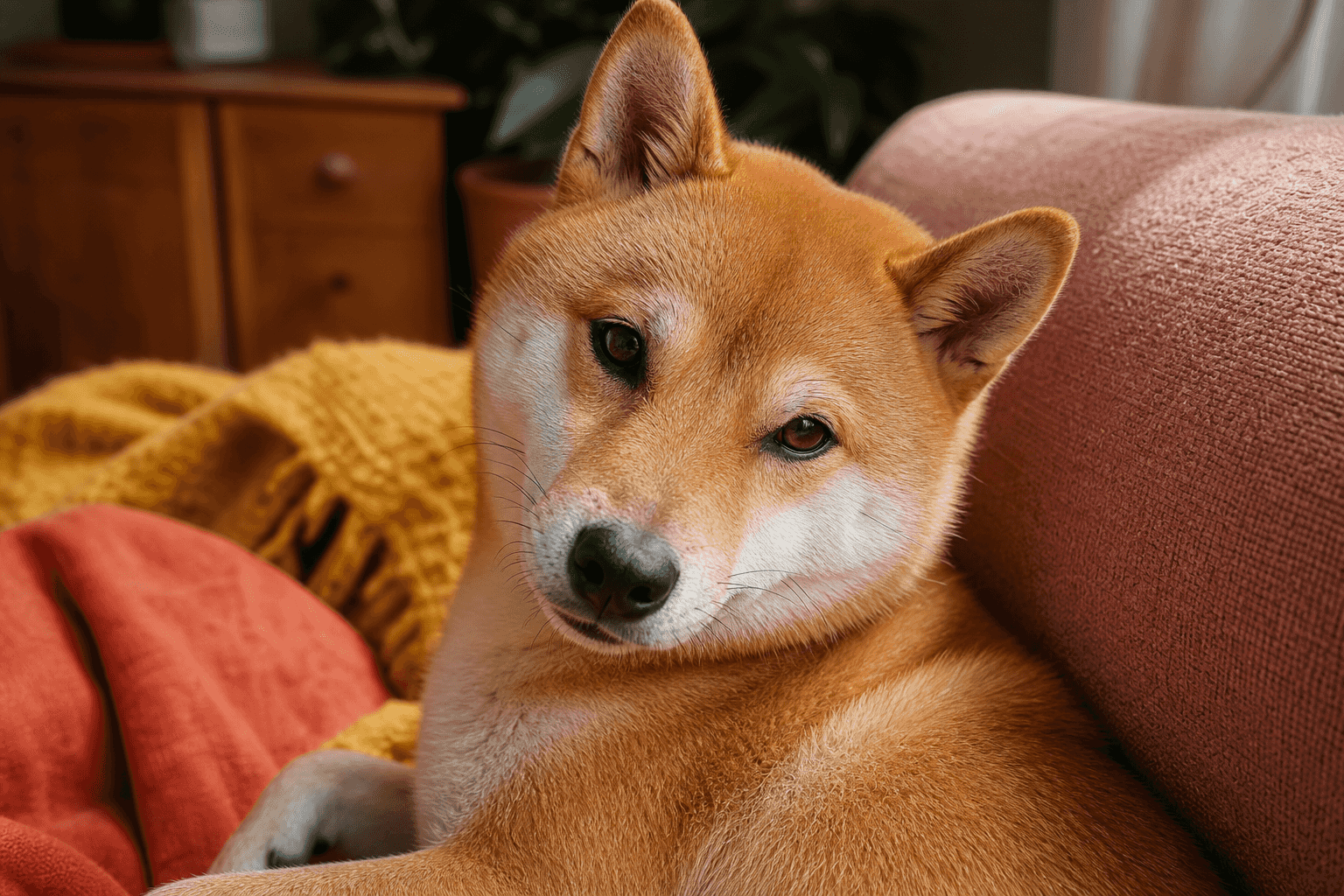
Yes, Shiba Inus shed — and not just a little. Twice a year, they unleash fur tumbleweeds that drift across your floors like it’s snowing indoors.
But here’s the good news: once you understand why it happens and when to expect it, the "fur storm" becomes totally manageable.
This quick guide walks you through what Shiba shedding actually looks like, the 5 tips that keep it under control, and how to tell normal shedding from a warning sign.
Let’s dig in.
2×
Major shedding seasons per year — spring and fall
Daily
How often to brush during a coat blow
1–2×
Baths per month is plenty — more can dry the skin
Why Shiba Inus Shed
Shiba Inus have a double coat — a soft, dense undercoat topped with a coarser outer layer.
That fluffy undercoat is the main troublemaker.
Like most double-coated breeds, Shibas "blow their coat" in spring and fall. It’s their body’s natural way of adjusting to the seasons.
- Spring: they shed the thick winter coat to stay cool.
- Fall: they shed again to make room for a heavier winter layer.
Outside those windows, shedding is usually pretty minimal — as long as their coat is healthy and well cared for.
“You’ll know it’s coat-blowing season when the fur starts flying like confetti.”
So when exactly should you brace yourself?
When Does It Happen?
Most Shibas shed heavily for a few weeks, twice a year — early spring and early fall.
In the northern hemisphere, that usually lands around March and September.
But don’t get too attached to the calendar. Your dog follows nature’s cues, not your planner.
Now for the part you actually came for — the fixes.
The 5 Tips That Tame the Fur Storm
Here’s what works best when your Shiba is in full coat-blow mode.
Your Shiba shedding game plan
- Brush daily during coat blowsA slicker brush or de-shedding tool is your best friend. Most dogs lean into it like a spa day.
- Bathe before shedding seasonA good bath loosens the undercoat — just keep it to once or twice a month with a gentle, dog-safe shampoo.
- Trim, don’t shaveA light tidy-up around mat-prone areas helps with brushing and comfort. Never shave a double coat.
- Feed for the coatQuality food with omega-3s (like fish oil) keeps fur strong instead of dull and brittle.
- Keep a steady routineRegular exercise, hydration, and low stress all show up in a healthier coat.
But what if the shedding suddenly seems… off?
When Shedding Isn’t Normal
Sometimes shedding is a red flag, not a season.
If your Shiba is losing fur outside of spring or fall — or you spot bald patches, irritated skin, or a strange smell — something else may be going on.
Here’s what to watch for.
Fleas or allergies
Flea bites can trigger itching and hair loss. Stay on top of prevention and check the skin while grooming.
Skin infections
Redness, sores, or funky odors can signal infection. Don’t wait — a quick vet visit prevents worse.
Poor diet
Dull, brittle fur often traces back to nutrition. A balanced, high-quality food makes a visible difference.
Stress or anxiety
Big changes, long alone-time, or boredom can cause stress shedding. Keep the routine steady.
Health conditions
Thyroid issues and other problems can cause abnormal loss. When unsure, always ask your vet.
Ill-fitting gear
Rough or tight collars and harnesses can rub fur away. Make sure everything fits comfortably.
Prevention beats damage control — here’s the year-round routine.
Year-Round Coat Care
A healthy coat all year makes shedding season dramatically smoother.
Here’s the routine that works for us and the Shiba parents we know.
- Brush weekly outside of shedding season to prevent mats
- Use quality dog shampoos and conditioners, especially for sensitive skin
- Feed balanced food with protein, fats, and omega-3s
- Provide fresh water daily — and actually scrub the bowl
- Keep exercise and mental stimulation consistent
- Bathe your Shiba constantly to reduce shedding
- Shave the coat down in summer to keep them cool
- Ignore ill-fitting collars and harnesses
Frequently Asked Questions
They shed lightly year-round, but the big shedding happens twice a year — usually early spring and early fall — when they “blow” their undercoat over a few weeks.
Once a week is fine most of the year. During coat-blowing season, brush daily with a slicker brush or de-shedding tool to stay ahead of the fur.
No. Shaving a double-coated breed can damage how the coat insulates and regrows. Brush out the undercoat instead of shaving it off.
Once or twice a month is plenty. A bath right before shedding season helps loosen the undercoat, but over-bathing can dry out their skin.
Seasonal shedding is normal. Bald spots, irritated or smelly skin, sores, or heavy shedding outside spring and fall are worth a vet visit.
Yes. Poor nutrition shows up as dull, brittle fur. A high-quality, balanced diet with omega-3s (like fish oil) supports a healthier, stronger coat.