10 types of people who should get a Maremma Sheepdog
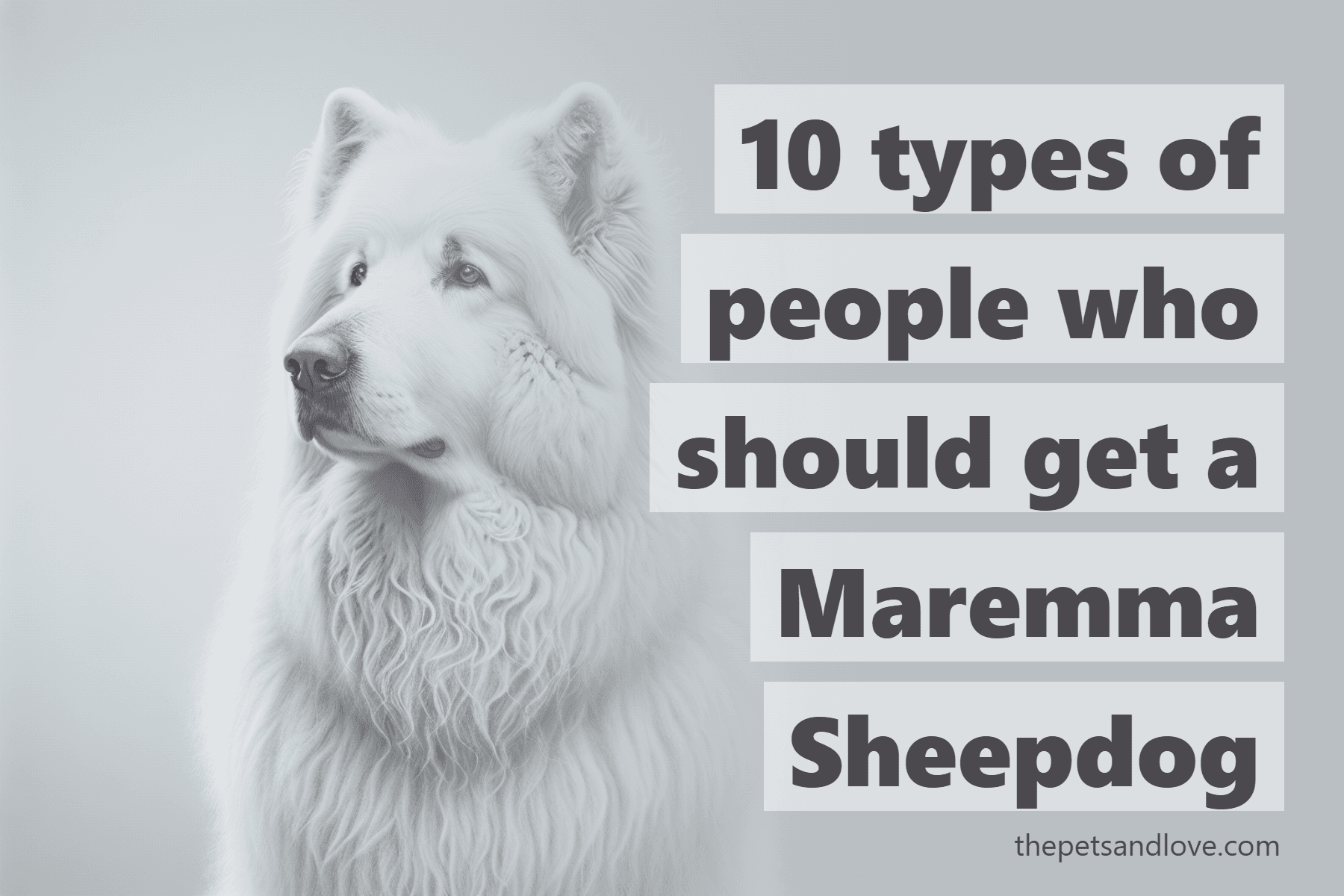
Thinking about bringing a Maremma Sheepdog into your life? Then let's be honest with each other from the start.
This is not your average couch-potato pup.
Maremmas are big, bold, and built for one thing above all else: guarding. They're fiercely loyal, deeply independent, and absolutely stunning to look at.
But here's the catch — they are gloriously wrong for some people and life-changingly right for others.
So instead of a generic breed pitch, let's do something more useful. Below, you'll find the exact types of people who thrive with a Maremma — and honest signals for whether you're one of them.
What Makes the Maremma Sheepdog Special?
Originally bred in Italy, the Maremma spent centuries guarding sheep from wolves and bears in the rugged countryside.
That history matters more than you'd think.
Because their job wasn't to follow orders — it was to make life-or-death decisions alone, out in the field, without a human nearby.
“You don't teach a Maremma to guard. It's already in the DNA — your job is to shape it, not create it.”
What this means in practice: you're not getting a blank slate. You're getting a dog with strong, pre-installed instincts and a mind of its own.
That makes them incredible working dogs on farms and ranches. It also means those same instincts can feel overwhelming in a quiet suburban backyard without the right training.
So who actually flourishes with a dog like this?
Who Thrives With a Maremma?
Not everyone. And that's kind of the point.
Here are the people who tend to build the best partnerships with this breed.
1. Farmers & Ranchers
If you have livestock to protect, this is your dog. Maremmas are independent workers who take guarding seriously — and do their best work when you trust them to do the job.
2. Active Outdoor People
Built to roam wide open spaces, they can go all day. Hikers, backpackers, and land-lovers get a tireless sidekick — just expect stubbornness, so leash work is essential.
3. Experienced Dog Owners
Not a beginner breed. They’re smart but independent and love making their own calls. If you’ve handled strong-willed dogs with kind, firm boundaries, you’ll thrive.
4. Families With Older Kids
Gentle with their people, but big enough to knock over toddlers by accident. Older kids who respect dog boundaries are a far better match.
5. Cold-Climate Dwellers
That thick double coat was made for snow and wind. Maremmas genuinely thrive in the cold — just be ready for heavy seasonal shedding.
6. Grooming-Ready Owners
Weekly brushing (more during shed season) keeps the coat healthy. Not the fussiest breed, but you’ll definitely know a big white dog lives with you.
7. Fans of Rare, Striking Breeds
That noble, fluffy look turns heads everywhere. Just know rarity means extra legwork to find a reputable breeder and a vet who knows the breed.
8. Devoted-Guardian Seekers
A well-socialized Maremma is calm, watchful, and deeply loyal. Not a cuddle-bug — but their devotion runs bone-deep.
Now, here's where it gets interesting: a few of these strengths flip into problems fast without the right approach.
Let's put those traits side by side.
The Maremma at a Glance
| Category | Rating |
|---|---|
| Guarding Instinct | |
| Loyalty & Devotion | |
| Beginner-Friendly | |
| Grooming Needs | |
| Apartment Living | |
| Cold Tolerance |
Quick poll
Which reason has you eyeing a Maremma?
Now for the honest part.
Who Should Probably Skip This Breed
Here's the thing most breed pages won't tell you.
Saying "no" to a Maremma isn't a failure — it's often the kindest choice for the dog.
Pros
A Maremma may be right if you…
- Have land, livestock, or wide open space
- Live somewhere cold or with real seasons
- Have handled independent, strong-willed dogs
- Want a watchful guardian over a lapdog
- Can commit to early, ongoing socialization
Cons
Look elsewhere if you…
- Live in an apartment or small home
- Want a low-maintenance, easygoing pet
- Have very young kids and no dog experience
- Expect instant obedience and cuddles on demand
- Can’t handle year-round white fur everywhere
Not by nature. A well-socialized Maremma is calm and discerning — protective, not hostile. Aggression usually traces back to poor socialization or being asked to guard with no training or structure.
The opposite. Guarding is instinctive. Your job is to channel and shape that drive, not install it — which is why boundaries and exposure matter so much.
A yard helps, but these dogs were built to patrol and roam. They thrive on purpose and space to move, not just square footage to sit in.
Frequently Asked Questions
Generally no. They’re intelligent but independent and prefer making their own decisions. Without experience setting kind-but-firm boundaries, most beginners find them overwhelming.
Yes — barking is part of their guardian job, especially at night when they patrol and warn off perceived threats. It’s a feature for a farm, but it can be a real challenge near close neighbors.
They’re gentle and protective with their own people, but their size means they can accidentally knock over small kids. Older children who understand dog boundaries are a much better fit.
With early socialization, yes — many live happily alongside other animals, especially livestock they see as their charges. Without it, their territorial instincts can make introductions tricky.
It’s a poor match. These dogs need space, cool climates, and ideally a job to do. A small indoor space with limited stimulation usually leads to stress and unwanted behavior.
Plan on weekly brushing, ramping up during heavy seasonal shedding. They’re not the highest-maintenance long-haired breed, but that dense white double coat will leave its mark on your floors and furniture.
Their independence. They don’t live to obey, so you have to earn cooperation through trust and consistency — and stay committed to socialization for life to keep their protective drive balanced.
Got experience with guardian breeds, or live the farm life? Then the Maremma might be exactly the loyal, four-legged partner you've been searching for.