9 Things to Know Before Getting a Newfoundland

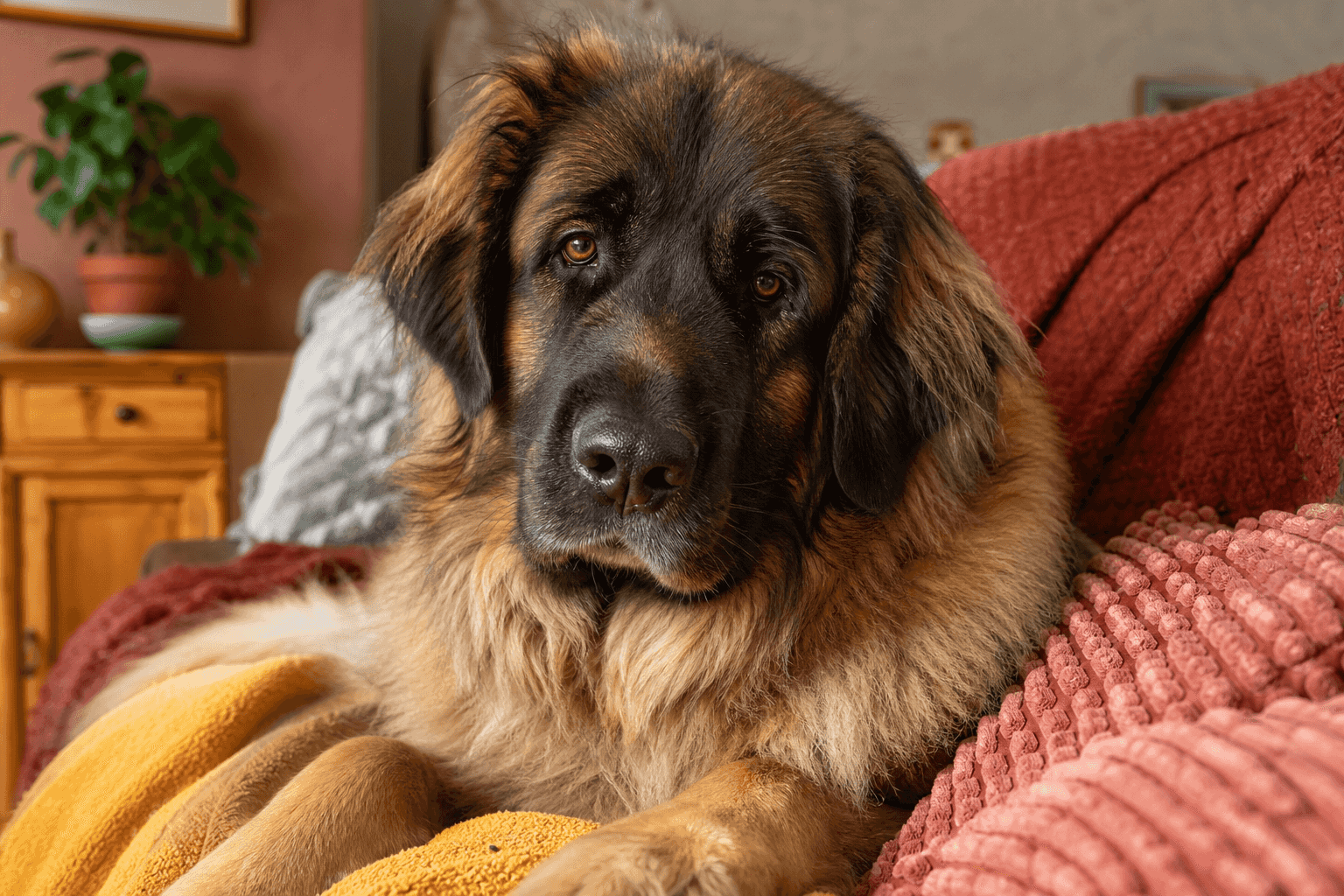
If you’ve ever met a Newfoundland, you already know the problem: they’re impossible to forget.
These massive, fluffy sweethearts are like living teddy bears — gentle, loyal, and smart enough to melt you with one soulful look.
But here’s the thing. Before you fall for those eyes and bring one home, there are a handful of realities you need to understand.
Because Newfies are incredible dogs — but they are absolutely not for everyone.
Below, you’ll get the honest lowdown on what life with a Newfie is really like, from the drool to the swimming to the coat that never stops shedding.
100–150 lb
Typical adult weight
28 in
Height at the shoulder
3–4×/week
Minimum brushing
First Things First: They’re Big. Really Big.
We’re talking 100–150 pounds of love and floof, standing up to 28 inches tall.
That means they take up space — on your couch, in your car, and in your life.
If you live in a small apartment or hate stepping over a dog sprawled across the hallway, a Newfie might not be your match.
Big body, big needs — starting with movement.
They Need Room to Move
Newfies aren’t hyper, but don’t mistake calm for lazy.
These are working dogs, bred to haul nets, pull carts, and rescue swimmers. That instinct is still very much alive.
So yes — they need daily exercise. Not just a quick potty walk, but real movement: proper walks, playtime, and ideally, swimming.
Speaking of Swimming…
Newfies are natural-born swimmers.
Their webbed feet and water-resistant coats made them legendary water-rescue dogs.
If you live near a lake or beach, you’ve got the perfect swimming buddy.
Here’s the bonus: swimming is far gentler on their joints than running — a huge deal for a breed this size.
“A Newfie doesn’t just tolerate water. It lights up the moment its paws hit the surface.”
But there’s one climate they simply can’t handle.
Heat Is Their Enemy
Newfies were built for cold climates. Thick fur plus heavy body plus heat is a dangerous combination.
If you live somewhere hot and humid, keeping a Newfie comfortable takes real planning.
- Walk early morning or late evening, never midday
- Keep AC running through summer
- Offer water access and cool-down spots
- Leave them in a hot car — even “just for a minute”
- Push exercise on hot, humid days
They’re Lovable Drool Factories
Let’s be honest: Newfies drool. A lot.
After drinking, during meals, when they’re excited — the slobber is coming.
Some owners barely notice it. Others can’t stand it.
If drool on your pants, your walls, and the occasional ceiling would ruin your day, think carefully.
Quick poll
Be honest — could you live with the drool?
Now let’s talk about that famous coat.
That Coat Isn’t Just for Show
Their thick double coat is gorgeous — and it sheds heavily.
You’ll need to brush your Newfie several times a week, minimum.
During shedding season in spring and fall, expect tufts of hair drifting through every room.
A serious vacuum and quality grooming tools aren’t optional here. They’re survival gear.
Slicker brush
Works through the topcoat and lifts loose hair before it hits your floor.
Undercoat rake
Reaches the dense underlayer — the real source of seasonal “fur storms.”
Strong vacuum
A pet-grade vacuum is one of the best investments a Newfie owner can make.
Nail + ear care
Big dogs need regular nail trims and ear checks to stay comfortable.
They’re Smart and Sensitive
Newfoundlands are intelligent, eager to please, and remarkably tuned in to their people.
Training is usually a joy — they learn quickly and genuinely want to get it right.
But there’s a catch: they need mental stimulation, not just physical.
Bored Newfies can grow depressed or destructive. Puzzle toys, training games, and enrichment keep their big brains happy.
| Category | Rating |
|---|---|
| Trainability | |
| Good with kids | |
| Sensitivity | |
| Apartment living | |
| Heat tolerance |
Gentle Giants — With One Warning
Newfies are famously wonderful with kids and other animals.
With proper socialization, they’re calm, patient, and endlessly affectionate.
That said, sheer size can accidentally knock over a toddler. Always supervise playtime.
Young kids
Great, with supervisionPatient and gentle, but big enough to bump little ones over by accident.
Other dogs
GreatTypically easygoing and social when properly introduced.
Cats
GoodUsually tolerant, especially raised together.
First-time owners
With careSweet temperament helps, but size, cost, and grooming are a lot to manage.
Health Considerations
Newfies are generally healthy, but like many giant breeds, they come with some risks worth understanding.
The big ones to watch: joint problems like hip and elbow dysplasia, plus heart conditions, epilepsy, and gastric torsion — better known as bloat.
What this means in practice: regular vet checkups and a responsible breeder or rescue are your best early-warning system.
So — could you actually live with one?
Is a Newfoundland Right for You?
Let’s bring it all together. A Newfie could be your dream dog if the following feel true.
Pros
A Newfie fits your life if…
- You’ve got space, indoors and out
- You don’t mind grooming and drool
- You live somewhere cool or can keep the AC running
- You’re near water or happy to build swimming in
- You have daily time for walks, play, and training
Cons
Maybe reconsider if…
- You’re in a small, warm apartment
- Slobber and shedding make you squeamish
- Your climate is hot and humid year-round
- You want a low-maintenance, hands-off dog
- Your schedule leaves little time at home
Getting Ready for a Newfie
Prep is fairly simple, but a few essentials will make life smoother from day one.
- A strong leash and harness — they’re powerful
- Durable, giant-breed-rated toys
- Sturdy grooming tools (slicker + undercoat rake)
- A serious vacuum — seriously
- A summer cool-down plan
And most importantly? Time.
Newfies crave attention, companionship, and love. Give them that, and you’ll have a loyal friend for life.
Frequently Asked Questions
They can be, thanks to their sweet, trainable nature. But the size, cost, grooming, and drool make them a big commitment — go in with your eyes open and a plan.
Generally no. They tend to be calm and quiet, barking mostly when there’s a real reason. Their size alone is usually deterrent enough.
A lot — especially after drinking, eating, or getting excited. Most owners keep “drool rags” around the house and stop noticing over time.
Famously so. They’re patient and gentle, earning the “nanny dog” nickname. Just supervise, since their size can accidentally bowl over small children.
It’s tough. They’re built for cold and overheat easily. In warm areas you’ll need air conditioning, early-morning walks, and plenty of cool-down opportunities.
Daily, moderate exercise — real walks, play, and ideally swimming. They’re not hyper, but they still need consistent movement to stay healthy.
Yes, honestly. Between heavy shedding, frequent grooming, drool, giant-size costs, and heat sensitivity, they take real effort — but devoted owners find them well worth it.