Things to Think About Before Getting an American Bulldog
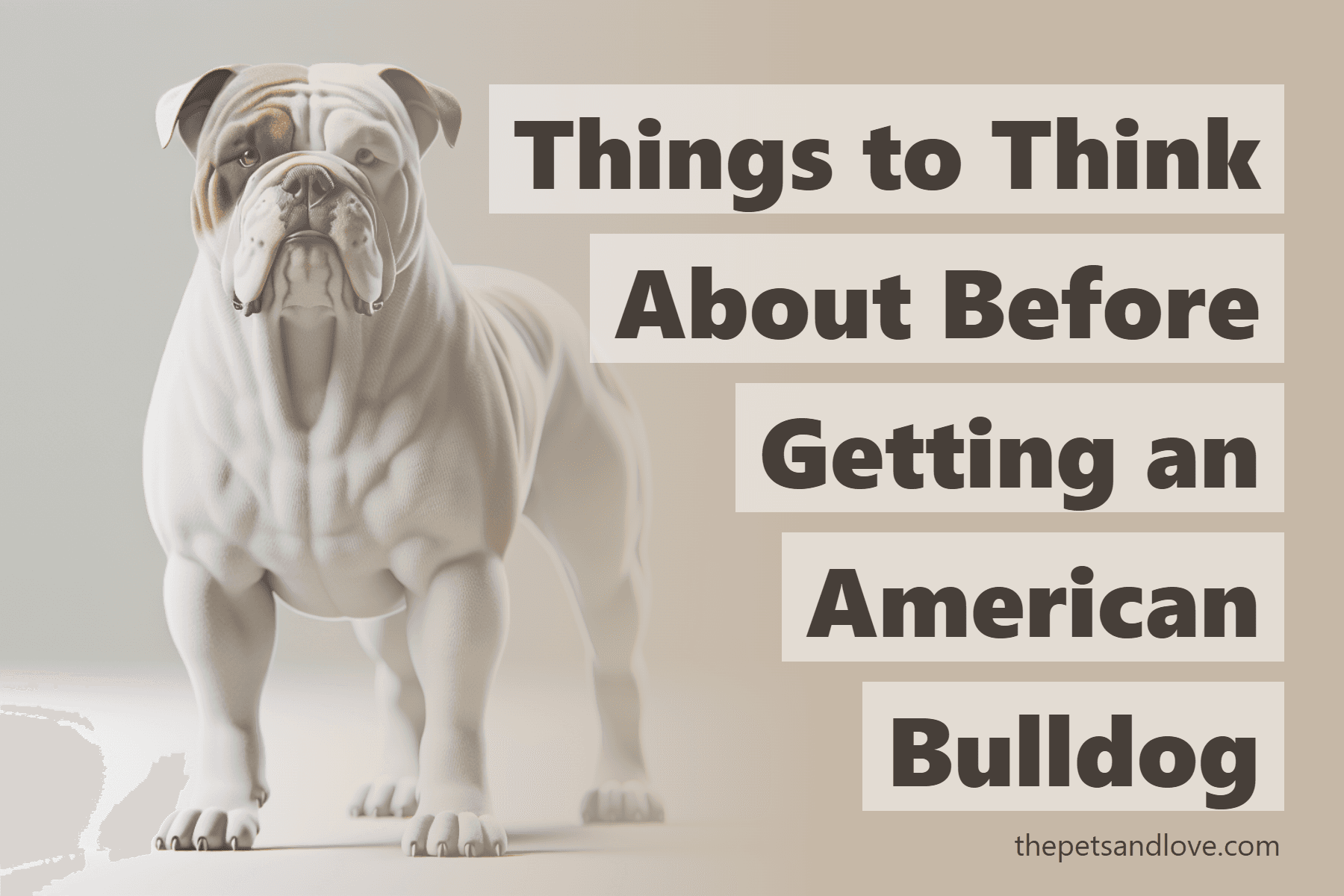
You want a dog that's loyal to the bone, tough as nails, and endlessly devoted to your family. The American Bulldog checks every one of those boxes.
But here's the truth most people skip past: this breed isn't for everyone.
They're strong-willed, powerful, and they will test your patience — especially if you're a first-time owner. Get it right, though, and you'll have a goofy, protective best friend for life.
In this guide, you'll learn exactly what you're signing up for: their temperament, training needs, exercise demands, grooming, health, and whether your lifestyle is a genuine match.
The Quick Look
Before we dig in, here's the breed at a glance.
“American Bulldogs are special dogs for special people.”
First, let's clear up the biggest misunderstanding about this breed.
They're Not Pitbulls — And Not English Bulldogs Either
People mix these breeds up constantly. It's an easy mistake, but an important one to correct.
American Bulldogs are their own breed with their own personality. They're **taller, faster, and far more athletic** than the short, stocky English Bulldog you might be picturing.
Here's where their history matters: they were bred for **farm work, guarding, and herding**. That job description still lives in their DNA today.
What does that mean in practice? You get a dog that's alert, powerful, and driven — not a lazy lap warmer.
They share some ancestry, but American Bulldogs are a separate breed — larger, leaner, and originally bred as versatile farm and guard dogs.
Not even close. American Bulldogs are athletic jumpers and runners built for work, not couch naps.
They’re not born aggressive. Without structure and socialization, though, their guarding instinct and strong will can turn into pushiness or reactivity.
So what's this powerful dog actually like to live with?
Loyal to a Fault — But Not Always a Social Butterfly
American Bulldogs love their people. Hard.
They bond deeply with their family and want to be part of everything you do — dinner, TV, errands, the works.
But here's the catch: they don't cope well with being left alone for long stretches. **Separation anxiety is a real concern** with this breed.
Devoted
They form intense bonds and will follow you room to room. You’ll rarely be alone again.
Protective
Expect a strong guarding instinct, especially around unfamiliar people at the door.
Goofy
Underneath the muscle is a clown who loves play, cuddles, and making you laugh.
Strong-willed
They have opinions — and they’ll share them if you don’t set clear boundaries.
What about strangers and other animals?
That comes down almost entirely to how well you socialize them. With proper introductions, many Bulldogs live peacefully with other dogs or cats — **especially if raised together**.
Now, here's the part that makes or breaks the whole experience.
Big Brains, Bigger Opinions
Yes, American Bulldogs are smart. But intelligence comes bundled with a serious stubborn streak.
Training isn't optional here. It's the difference between a confident, well-mannered dog and a pushy one who runs your household.
“If you\u2019re not consistent or firm — but fair — they\u2019ll walk all over you. Literally.”
They need **early, consistent obedience training and socialization** to learn boundaries. They're not naturally aggressive, but without structure, dominant tendencies can creep in.
The training ground rules
- Start earlyBegin basic obedience and socialization the day your puppy comes home.
- Be firm but fairNo harsh corrections — but no wishy-washy rules either. Consistency is everything.
- Make them earn itAsk for a sit before meals, walks, and play. It reinforces you as the calm leader.
- Never skip a dayThis breed spots inconsistency instantly and will test any gap in the rules.
Training mistakes to avoid
- Rewarding calm behavior and structured routines
- Socializing with people, dogs, and new places early
- Letting the puppy "grow out of" bad habits on its own
- Using fear or force to establish control
- Being inconsistent with house rules from person to person
Training tires the mind. But this dog also needs to burn serious energy.
Big Dog, Big Needs
American Bulldogs are large and muscular — and that body needs a job to do.
Daily exercise isn't a nice-to-have. It's how you keep them sane, healthy, and out of trouble.
Think long walks, active play, and ideally some structured activity like hiking or agility.
Can they live in an apartment? Technically, yes — if you're committed to serious daily exercise.
But they truly thrive in a home with secure outdoor space where they can stretch those athletic legs.
Pros
Great fit if you...
- Are active and love the outdoors
- Have a securely fenced yard
- Want an exercise and adventure buddy
- Can commit to daily structured activity
Cons
Rethink it if you...
- Work long hours away from home
- Prefer a low-energy lap dog
- Have no safe outdoor space
- Want a dog that entertains itself
Good news on grooming — but don't get too comfortable.
Low-Maintenance Coat, High-Maintenance Mind
Here's where the American Bulldog gives you a break: their short coat is easy.
A weekly brushing plus the usual ear, teeth, and nail care covers most of it.
But don't let the low grooming fool you into thinking this is an easy dog.
Weekly brushing
That short coat only needs a quick once-over to stay healthy and control loose hair.
Moderate shedding
They shed year-round and are not hypoallergenic — expect some hair on your clothes.
The drool factor
Yes, they drool. Sometimes a lot. Keep a towel handy and embrace it.
Mental exercise
The real "grooming" is their brain. Bored bulldogs get destructive fast.
Now let's talk about keeping your bulldog healthy for the long haul.
Health and Lifespan
Here's some genuinely good news: American Bulldogs are generally healthier than English Bulldogs.
They have **fewer breathing issues** and a solid lifespan of **10 to 15 years**.
That said, they're still a large breed, and large breeds come with a few common concerns.
What to ask your vet
- Ask about hip and joint screening for large breeds
- Discuss a skin and allergy baseline early
- Set up a weight and nutrition plan for their size
- Ignore small changes in appetite or movement
So how does all of this fit into a real household?
American Bulldogs and the Family
They're wonderful with their own kids. But there's a nuance worth understanding.
These are big, powerful dogs who don't always know the difference between roughhousing and real trouble. Supervision matters.
Own kids
GreatLoving and protective, but always supervise given their size and strength.
Kids’ playdates
With careExcitement can escalate fast. Supervise all rough play with visiting children.
Other dogs
With carePossible with early socialization, especially if raised together.
Cats
With careMany do fine, particularly when raised alongside them from puppyhood.
Strangers
CautiousExpect a strong guarding instinct until proper introductions are made.
Time alone
PoorProne to separation anxiety — not a breed for long, solo workdays.
Let's bring it all together.
They're Not for Everyone — But Everything to the Right Person
The biggest downside to American Bulldogs? They're just not easy.
They demand time, patience, training, and a confident owner who doesn't mind some slobber and a healthy dose of stubbornness.
But put in that work, and here's what you get: a loyal, goofy, protective, loving companion who sticks by your side through thick and thin.
| Category | Rating |
|---|---|
| Loyalty | |
| Trainability | |
| Exercise needs | |
| Grooming | |
| Good with own kids | |
| First-time owner friendly |
Quick poll
Be honest — are you ready for an American Bulldog?
So, is this the breed for you?
If you're active, experienced (or very committed to learning), and ready for a strong-willed but devoted dog — the American Bulldog might just be your perfect match.
Frequently Asked Questions
Generally, no — not unless you’re very committed to learning. They’re strong-willed and need firm, consistent training and lots of exercise. A dedicated first-timer can succeed, but this breed is easier for experienced owners.
Not long. They bond closely with their family and are prone to separation anxiety. A few hours is fine for a well-adjusted adult, but full workdays alone regularly can lead to stress and destructive behavior.
They’re not naturally aggressive, but they do have a strong guarding instinct. Early socialization, structure, and consistent training are what shape them into confident, well-mannered dogs.
They’re loving and protective with their own family’s kids. Because they’re large and powerful, supervision is essential — especially during rough play or playdates with visiting children.
Many can live peacefully with other dogs and cats, particularly when raised together and properly introduced. Expect it to depend heavily on early socialization.
A lot. Plan on daily long walks, active play, and ideally structured activities like hiking or agility. Without enough exercise, they can become destructive or try to escape.
The commitment. They demand consistent training, plenty of exercise, and your presence. Add in some drool and a stubborn streak, and this is simply not a low-effort breed.
Typically 10 to 15 years, which is healthy for a dog their size. They’re generally hardier than English Bulldogs, though hip issues and skin allergies are worth watching.