Living with a Pekingese: A Complete Guide for Pet Parents
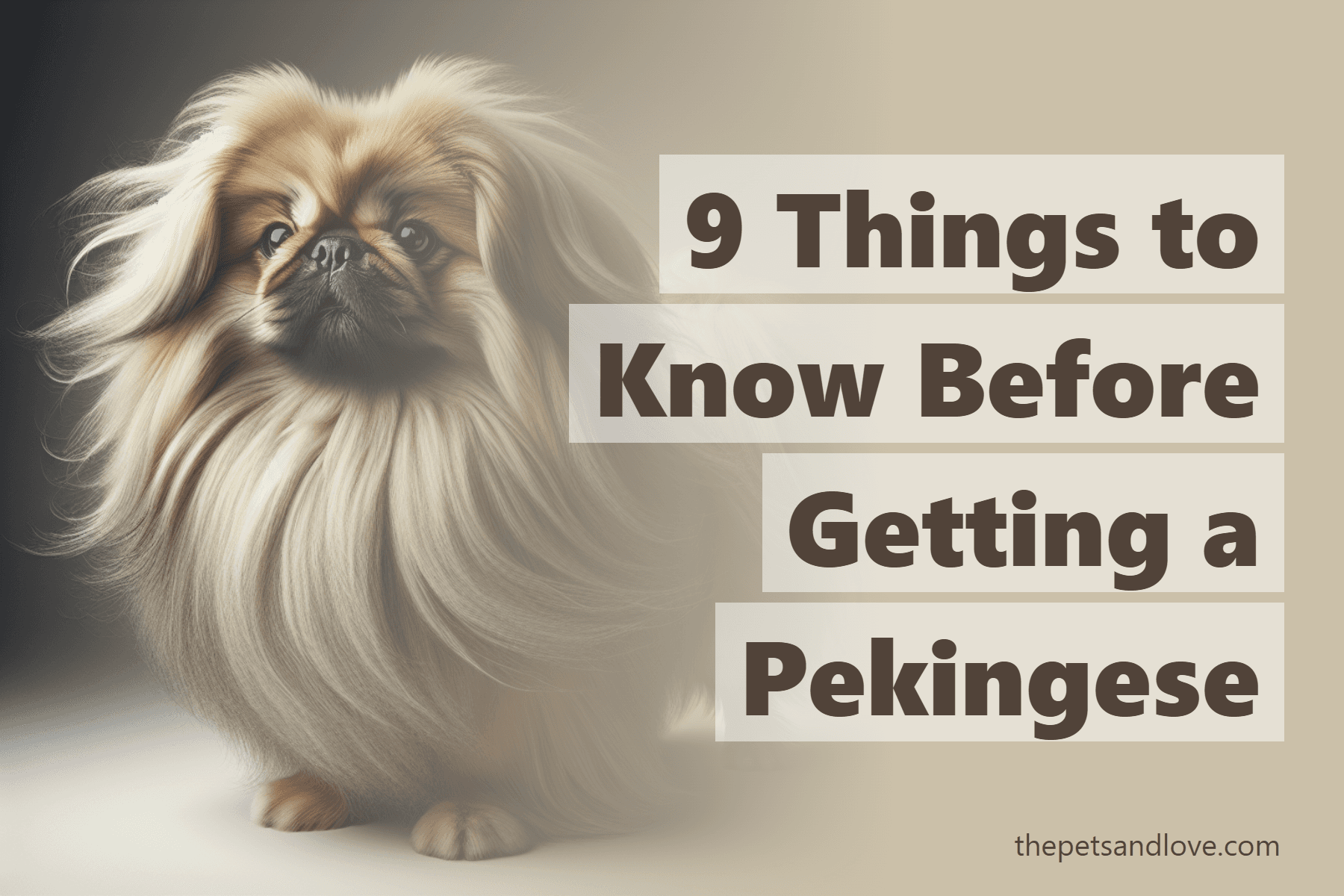
Ever locked eyes with a Pekingese and felt like you were being sized up by tiny royalty? You're not imagining it.
These little lions carry themselves like they own the room — because in their minds, they do.
But here's the truth most cute photos leave out: living with a Pekingese takes real commitment. The grooming is daily. The personality is strong. And the health needs are specific.
So before you fall for that fluffy face, let's walk through exactly what life with one is really like — the charm, the challenges, and how to know if you're the right match.
Small Dog, Surprisingly Big Personality
Don't let the size fool you.
Pekingese are fiercely loyal, deeply devoted to their people, and often a little aloof with strangers. That combination makes them excellent little watchdogs.
They're not yappy for no reason. But they will absolutely announce a knock at the door like it's a matter of national security.
“These dogs have the confidence of a Great Dane packed into a body the size of a house cat.”
Here's where it gets interesting: they're more independent than most small breeds. A Peke has opinions, and it is not shy about sharing them.
Training takes patience. But with consistency and plenty of positive reinforcement — treats work wonders — they'll surprise you with how clever they really are.
Now, let's talk about that magnificent coat — and what it really demands.
Grooming: Be Ready to Commit
Let's talk hair. Because that luxurious mane doesn't take care of itself.
Daily brushing is non-negotiable. Skip it, and painful mats form fast — especially around the ears, legs, and underbelly.
- Brush daily with a slicker brush and metal comb
- Bathe regularly with a gentle, dog-safe shampoo
- Check and trim nails on a schedule
- Keep ears clean and dry
- Assume the coat can go a week without brushing
The good news? Grooming can double as bonding time.
These sessions aren't just maintenance. They're a chance to connect, calm your dog, and catch small problems before they become big ones.
But grooming isn't the only thing this breed asks of you.
Health Needs to Watch Closely
Here's the most important thing to understand: the Pekingese is a brachycephalic breed. That flat, adorable face comes with real trade-offs.
Because of it, they can struggle badly in heat and humidity.
What else should stay on your radar?
Eyes
Their prominent, flat-faced structure leaves eyes prone to irritation and injury. Keep the area clean and watch for redness or squinting.
Teeth
Small mouths crowd teeth, so dental issues are common. Regular brushing and vet cleanings matter more than most owners expect.
Breathing
That short muzzle can mean noisy breathing and low stamina. Don't push them in heat or during hard play.
Exercise limits
They aren't built for long hikes or rough play. Short walks and gentle indoor play suit them far better.
So what does day-to-day life with one actually look like?
Daily Life with a Pekingese
Good news for city dwellers: Pekingese are fantastic apartment companions.
They don't need tons of exercise. A couple of short walks plus some indoor playtime usually covers it.
And they love to lounge. Don't be surprised if your couch quietly becomes their throne — preferably somewhere soft and elevated.
Calm adults
GreatThis is their ideal household — quiet, attentive, affectionate.
Older kids
GreatFine with children who understand gentle handling.
Toddlers
With careRough or unpredictable play can stress or hurt them.
Busy, high-energy homes
Not idealThey prefer a slower, more predictable rhythm.
They can handle being alone for a few hours. But make no mistake — they're happiest when they're near their people.
Now for the honest question: is this the right dog for you?
Is a Pekingese Right for You?
Before you fall completely in love, run through this quick gut check.
Pros
You'll love a Peke if…
- You want a devoted, loyal companion
- You have a calm, quiet home
- You enjoy grooming as bonding time
- You prefer a low-exercise dog
- You appreciate a big personality in a small body
Cons
You might struggle if…
- You want a jogging or hiking buddy
- You can’t commit to daily brushing
- You have very young, rough-and-tumble kids
- You live somewhere hot with no AC
- You want a dog that obeys instantly
Quick poll
What worries you most about owning a Pekingese?
Getting Started: Your First Week
Ready to bring one home? Here's what to have on hand before day one.
- Slicker brush, metal comb, and gentle dog shampoo
- Quality dog food (ask your vet for a recommendation)
- Soft bedding and a cozy space of their own
- Small, safe toys — they love to play, gently
- Skipping the vet visit because they seem fine
Then, in that crucial first week, focus on setting the tone.
Your first-week game plan
- Set a routineConsistent meals, walks, and grooming times help them settle fast.
- Start training earlyEven simple “sit” and “stay” builds trust and structure.
- Book a vet visitGet a baseline on breathing, eyes, teeth, and overall health.
- Begin gentle grooming right awayThe sooner they accept the brush, the easier every future session gets.
Wondering what to expect as your puppy grows up? Here's the roadmap.
What to Expect Through the First Year
Weeks 8–12
Settling in
Focus on gentle house training, a calm routine, and short handling sessions so grooming feels normal.
3–6 months
Teething & socialization
Offer safe chew toys and calmly introduce new people, sounds, and gentle experiences.
6–12 months
Adolescent stubbornness
Expect some boundary-testing. Stay consistent, patient, and reward-focused — this phase passes.
12+ months
Settled companion
Your loyal little lion mellows into a devoted lap-warmer who knows the household rhythm.
Frequently Asked Questions
They can be, as long as you’re prepared for daily grooming and a stubborn streak. Their low exercise needs make them manageable, but the coat care and training patience are the real commitment.
Not excessively, but they’re alert little watchdogs. Expect them to announce visitors and unusual noises. Early training helps keep it in check.
A few hours is fine for a well-adjusted adult. They’re companion dogs at heart, though, so long, regular absences aren’t ideal for their happiness.
They do best with calm, older kids who handle them gently. Rough or unpredictable play from toddlers can stress or accidentally injure such a small dog.
Not well. As a flat-faced breed, they overheat easily. Keep them cool, walk in the mornings or evenings, and never leave them in heat or humidity.
For most owners, it’s the daily grooming — that gorgeous coat mats quickly without consistent brushing. The independent, occasionally stubborn personality is a close second.
Most mellow noticeably after their first year. Once the adolescent phase passes, they settle into the calm, affectionate lap dogs they’re known for.

Sviatoslav Oleksiv founded The Pets and Love in 2019. A lifelong pet owner and Rhodesian Ridgeback enthusiast, he writes and edits our guides to help fellow pet parents give their animals the best care.
Every guide follows our editorial standards. This article is for informational purposes only and is not a substitute for professional advice — always consult a licensed veterinarian about your pet's health.