9 Key Facts to Know About Rottweilers
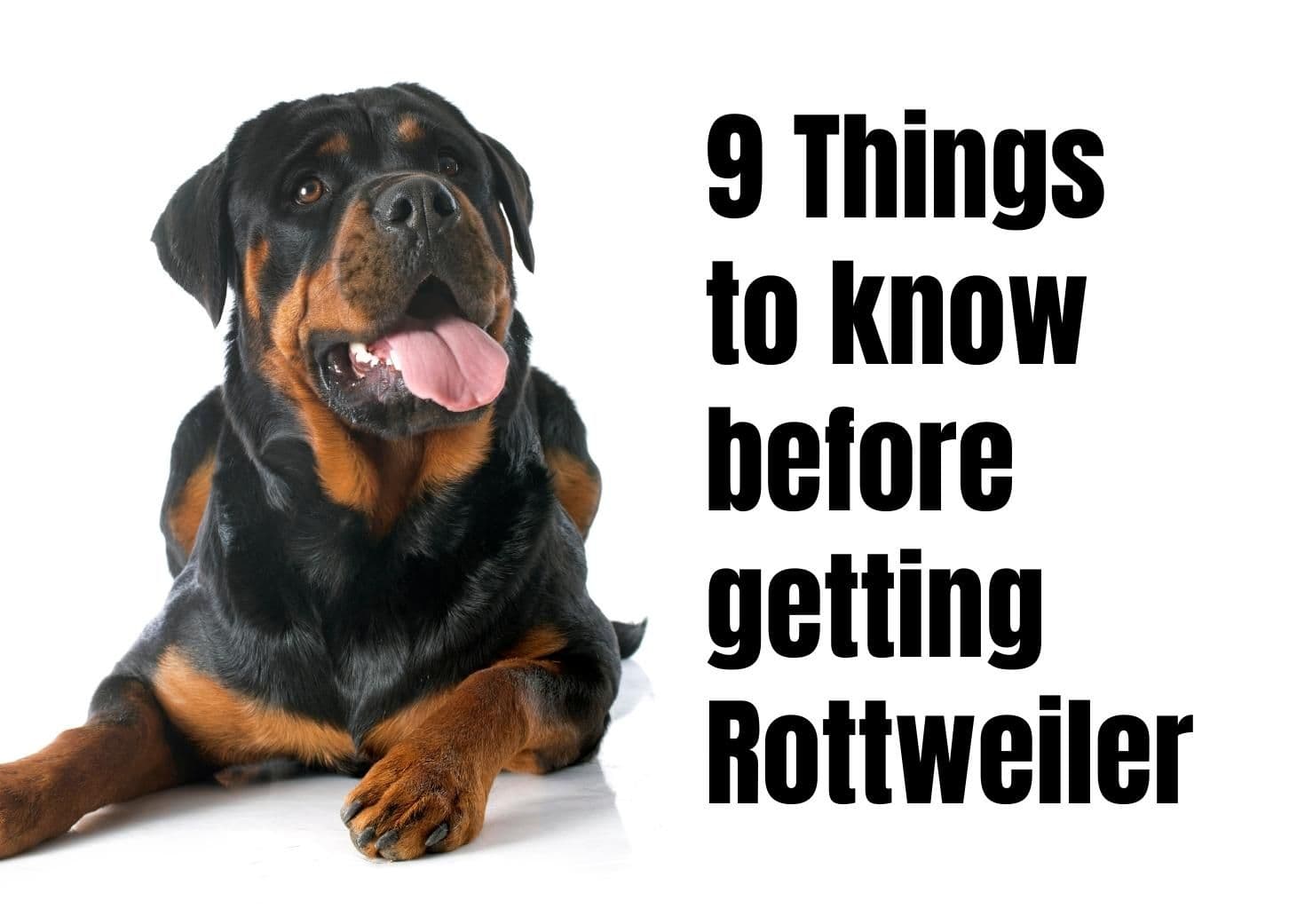
Thinking about getting a Rottweiler? You're not alone — they're the kind of dog that turns heads at the park and sparks a hundred questions.
Here's the thing: Rotties come with a reputation. Big, powerful, and badly misunderstood.
But get past the myths and you'll find one of the most loyal, loving companions in the dog world — a 100-pound softie who'd rather nap on your feet than guard the gate.
Below, you'll get the 9 things that actually matter before you bring one home: their history, temperament, training needs, health, costs, and the honest answer to "is this breed right for me?"
Let's dig in.
1. Rottweilers Have Serious History — and Serious Skills
These dogs go way back. Like, ancient-Rome back.
Their ancestors were drover dogs used by Roman legions to herd cattle, pull carts, and guard camps on long marches.
When the Romans left what's now Germany, the dogs stayed — and slowly evolved into the Rottweiler we know today.
Roman era
Cattle drovers & camp guards
Marched alongside legions, herding livestock and protecting supplies.
Middle Ages
The butcher’s dog
Pulled meat carts and guarded a butcher’s earnings in the town of Rottweil — the name stuck.
Modern day
The all-rounder
Police work, search and rescue, therapy visits, and devoted family companion.
What does that mean for you? A Rottie is smart, strong, and genuinely happiest when it has a job to do.
“If there's a job a dog can do — except hunting — a Rottie has probably done it.”
Give that working brain an outlet and you get a calm, focused dog. Ignore it, and that energy finds its own (usually destructive) outlet.
Which brings us to the single biggest factor in how your Rottie turns out.
2. They're Not Mean — But They Do Need Socialization
Most of the fear around Rottweilers comes down to one thing: bad socialization.
Like many guard breeds, Rotties are naturally cautious with strangers. That's instinct, not aggression.
The difference between a confident dog and a reactive one? The work you put in during those early weeks.
- Introduce your pup to new people, calmly and often
- Expose them to kids, other dogs, and even cats early
- Keep every new experience positive with treats and play
- Skip socialization and hope they “grow out of it”
- Punish nervous behavior instead of building confidence
Do this part right and you'll have a dog that's steady in a crowd instead of anxious. That's not optional — it's the foundation everything else sits on.
3. They're Big Softies With Their Families — But Watch the Jealousy
Once a Rottweiler bonds with you, they're all in.
These dogs love hard. Expect a shadow that follows you room to room and wants a front-row seat to your entire life.
Their people
DevotedAffectionate, loyal, and endlessly attached to their family.
Kids
Great with careGentle when raised right — but supervise around their sheer size.
New baby or pet
Watch closelyCan get possessive when your attention suddenly shifts elsewhere.
Strangers
ReservedNaturally cautious; warms up once they trust your judgment.
Here's the catch: that intense loyalty can tip into jealousy.
Bring home a new baby or puppy, and a Rottie may quietly wonder if they still matter to you.
4. Training Isn't Optional
Rottweilers are whip-smart. They're also independent thinkers.
That combo is fantastic — as long as you've established yourself as the calm, consistent leader early on.
The training ground rules
- Start youngBasic obedience should begin the day your puppy comes home.
- Be consistentThe same rules, every time, from every family member.
- Firm but never harshClear boundaries and rewards beat intimidation every time.
- Keep it engagingShort, upbeat sessions hold that clever brain’s attention.
A well-trained Rottie is a genuine dream to live with.
A poorly trained one? That's a 100-pound problem lunging on the leash and ignoring you at the worst moment.
And speaking of that 100 pounds…
5. They're Strong — Like, Really Strong
An adult Rottie can weigh anywhere from 80 to 135 pounds, and it's pretty much all muscle.
They're not the tallest dogs, but they're built like tanks.
80–135 lbs
of solid muscle in a fully grown Rottweiler
What this means in practice: even a friendly, playful pull on the leash can knock over a child — or you.
If you have small kids or a smaller frame, this is worth taking seriously.
6. Exercise Needs: Not Too Crazy, but Consistent
Good news for the non-marathoners: you don't need to run yourself ragged.
But Rotties do need reliable daily activity to stay balanced and happy.
Physical exercise
Aim for two solid 30–40 minute walks a day, plus some free play or fetch.
Mental exercise
Puzzle toys, new commands, and simple “jobs” keep that working brain busy.
Give them a task
A doggy backpack on walks or a game of fetch satisfies their urge to work.
Consistency over intensity
A predictable daily rhythm beats occasional bursts of hard exercise.
A tired Rottie is a well-behaved Rottie. A bored one finds trouble — usually in the form of chewing, digging, or barking.
Quick poll
How much daily exercise can you realistically offer?
7. Health and Lifespan: Know What You're Signing Up For
Rottweilers typically live 8 to 10 years — a bit shorter than smaller breeds, which is common for big dogs.
Like many large breeds, they're prone to a few specific health concerns.
Hip dysplasia
A common large-breed joint issue. Buying from health-tested lines helps reduce the risk.
Heart conditions
Subaortic stenosis is one to watch — routine vet checks can catch problems early.
Eye problems
Some Rotties develop eye issues, so annual exams matter as they age.
Here's the reality: vet bills for a big dog can sneak up fast.
Can you guess?
What should you do before the bills arrive?
8. Grooming? Pretty Easy
Here's where Rottie owners catch a break.
That short double coat is genuinely low maintenance most of the year.
Pros
Grooming wins
- Short coat needs only a weekly brush
- Occasional bath keeps them looking sharp
- No fancy trims or professional grooming required
Cons
The one downside
- Heavier shedding in spring and fall
- Expect more brushing during those seasonal “coat blows”
Bump up brushing to a few times a week during seasonal shedding and you'll keep the fur tumbleweeds under control.
9. So... Is a Rottweiler Right for You?
If you want a gentle, loyal companion who also looks like they could bench press you — a Rottweiler might be your perfect match.
But they're not plug-and-play pets.
| Category | Rating |
|---|---|
| Loyalty & affection | |
| Trainability | |
| Grooming ease | |
| First-time-owner friendly | |
| Socialization demand |
They need a confident, committed owner who'll put in the time for socialization, training, and exercise.
Skip those, and you could end up with a dog that's genuinely hard to manage.
Do it right? You'll have one of the most devoted, impressive dogs around — one who'll guard your home and then flop onto the couch like a 100-pound lapdog.
A few quick answers to the questions almost every future Rottie owner asks.
Frequently Asked Questions
They can be, but honestly they’re a challenging first dog. Their size, strength, and need for firm, consistent leadership mean first-timers should be ready to commit to training classes and early socialization from day one.
Yes — Rotties raised with kids are often gentle and protective. The main concern is size, not temperament. Always supervise play so an excited, muscular dog doesn’t accidentally knock a small child over.
Not excessively. They tend to be quiet dogs that bark with purpose — usually to alert you to something. A bored or under-exercised Rottie, however, may bark more, so meet their activity needs.
They can be, especially when socialized to other animals early. Introduce them slowly and positively. Without that early exposure, their guarding instincts can make them wary of unfamiliar animals.
Plan on two solid 30–40 minute walks a day plus play and mental stimulation. They don’t need marathon runs, but they do need consistent daily activity to stay balanced.
For most owners, it’s the combination of their power and their need for structure. A strong dog that hasn’t learned leash manners or boundaries is a real handful — which is why early training is non-negotiable.
Typically 8 to 10 years. That’s shorter than many smaller breeds, so regular vet care, a healthy diet, and weight management all matter for making the most of those years.
Expect adolescent energy and boundary-testing through the first couple of years. Many Rotties settle into a calmer adult temperament around 2 to 3 years old — especially with consistent training along the way.