Eight Essential Facts About Schnauzers
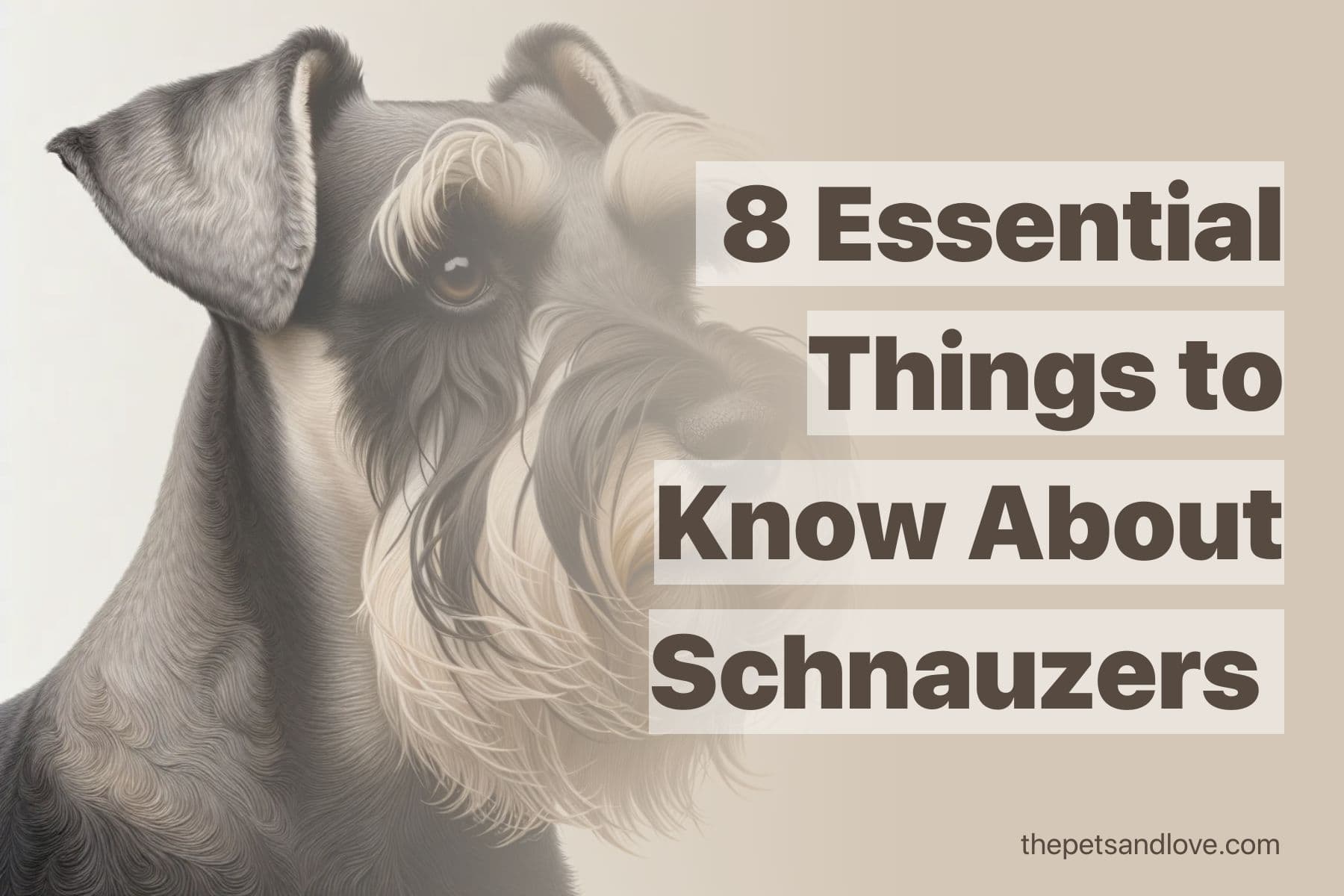
Thinking about getting a Schnauzer? You're picturing that iconic beard, those wise-old-man eyebrows, and a dog with more personality than a room full of people.
Here's the truth: you're right about the charm. But there's a catch — these bearded dogs are bold, brainy, and stubborn, and they are absolutely not for everyone.
Over the years we've met dozens of Schnauzers, and they all shared one thing: a fearless spirit wrapped in a scruffy coat.
Below, we'll walk through the eight things you really need to know before bringing one home — from size and smarts to grooming and health.
1. Three Sizes — But One Giant Personality
Schnauzers come in three flavors: Miniature, Standard, and Giant. No matter which one you pick, you're getting a bold, confident, energetic dog.
They all share the same sturdy, athletic build and that signature beard. But the size gap? It's no joke.
That's a massive range — and it changes everything about your daily life. Exercise needs, training difficulty, and how much space you'll need all scale up with size.
Live in an apartment? A Miniature is far more manageable. But don't be fooled by the size.
“Even the small ones have big attitudes.”
Being clever is one thing. Listening is another.
2. They're Smart — But Not Automatically Obedient
Schnauzers are clever, curious, and fiercely independent. That combo is both a blessing and a headache.
Here's the thing: they're not natural people-pleasers like a Golden Retriever or a Lab. They'll happily decide your commands are merely suggestions.
So what does this mean for you? Training takes real consistency and patience — not the occasional weekend effort.
We've seen the difference firsthand. A well-trained, well-socialized Schnauzer is a genuine joy: playful, alert, and surprisingly affectionate.
Without that foundation? You may get a stubborn, reactive dog who barks at falling leaves and refuses to come when called.
A tired Schnauzer is a well-behaved Schnauzer.
3. A Walk Around the Block Won't Cut It
Schnauzers were bred to work — as hunters, guardians, and farm dogs. That working heritage still runs deep, so they crave both mental and physical stimulation.
If you love hiking, puzzle toys, agility games, or long play sessions, you'll have a happy dog on your hands.
But if you're after a full-time couch potato? This probably isn't your breed.
The fix is simple: keep things fresh. New walking routes, rotating toys, and quick training games all go a long way toward a calm, contented Schnauzer.
Puzzle feeders
Make mealtime a mental workout instead of a 30-second gulp.
Scent games
Hide treats around the house and let that hunting nose do its job.
Agility play
Even a backyard obstacle course burns energy and builds focus.
New routes
A different walk means new smells — pure enrichment for a curious dog.
Now let's talk about that protective streak.
4. Socialization Is a Must — Especially Early
Schnauzers have a natural guardian instinct and can be wary of strangers or unfamiliar dogs. Early socialization is how you keep that instinct healthy instead of over-the-top.
Our advice: start young and stay consistent.
- Enroll in puppy classes as soon as vaccinations allow
- Expose them to people, kids, and new environments often
- Visit the dog park regularly (once fully vaccinated)
- Assume they’ll "grow out of" wariness on their own
- Wait until adulthood to start socializing
Put in the work early, and Schnauzers make wonderful family dogs. Skip it, and their protective side can tip into reactivity.
One more thing worth flagging: if you've got a cat or small pets, know that Schnauzers carry a strong prey drive.
Good news — the grooming is easier than it looks.
5. Grooming Is Easier Than That Beard Suggests
That wiry coat and iconic beard look high-maintenance. In reality, Schnauzers are refreshingly low-shedding.
In fact, many people with mild allergies find them a good fit — though no dog is truly hypoallergenic.
Here's the routine that keeps them looking sharp:
The simple Schnauzer grooming plan
- Brush weeklyKeeps the wiry coat tidy and prevents mats, especially in the beard and leg furnishings.
- Bathe monthlyEnough to stay clean without stripping the coat’s natural oils.
- Professional groom every few monthsOptional, but many owners love a clip to keep that classic Schnauzer shape.
- Wipe the beard regularlyIt catches food and water — a quick daily wipe keeps it fresh.
“Bonus: you won't find clumps of hair all over your furniture.”
Now, the part every owner should read carefully.
6. Generally Healthy — But Stay Proactive
Here's some reassuring news: most Schnauzers live long, healthy lives — often 12 to 16 years. Giants tend to sit on the lower end of that range.
12–16 yrs
Typical Schnauzer lifespan
Like every breed, though, they're prone to a handful of specific issues. Knowing them helps you catch problems early.
Pancreatitis
Often linked to fatty diets — worth keeping meals lean.
Cataracts
Watch for cloudy eyes or bumping into things.
Urinary stones
Plenty of fresh water and a vet-guided diet help.
Liver shunts
A congenital issue reputable breeders screen for.
High blood lipids
Especially common in Miniatures — bloodwork catches it.
Regular vet checkups plus a quality diet go a long way toward preventing or managing most of these.
So, is a Schnauzer actually right for you?
7 & 8. Is a Schnauzer Right for You?
Let's be honest with each other. Schnauzers aren't the kind of dog you can leave to their own devices.
They need mental engagement, daily activity, and consistent training. In return, you get a fearless, funny, deeply loyal companion.
Pros
You'll love a Schnauzer if you...
- Enjoy active days — hikes, games, training
- Want a low-shedding dog
- Value a loyal, alert watchdog
- Have time for early socialization
- Appreciate a big, bold personality
Cons
Think twice if you...
- Want a laid-back couch companion
- Have very little free time
- Prefer an eager-to-please, easy-train breed
- Can’t commit to daily mental stimulation
- Have small pets and little patience for slow intros
Quick poll
Which Schnauzer size are you leaning toward?
Frequently Asked Questions
They can be — but with a caveat. Their intelligence and independence mean training takes patience and consistency. A committed first-timer who takes classes and stays consistent will do fine, especially with a Miniature. If you want an easy, hands-off dog, look elsewhere.
They tend to be alert and vocal, which makes them excellent watchdogs. Without enough exercise and training, that alertness can turn into nuisance barking. Mental stimulation and early boundaries keep it in check.
Yes, they often make great family dogs — provided they’re socialized early. Their sturdy build handles playtime well, but as with any breed, supervise interactions with very young kids.
It depends. Schnauzers have a strong prey drive rooted in their working history. Slow, supervised introductions and lots of patience are essential, and small pets should never be left unsupervised with them.
No — they’re one of the lower-shedding breeds, and their wiry coat suits some people with mild allergies. Weekly brushing and the occasional professional groom keep them tidy.
More than a quick walk around the block. Aim for daily physical activity plus mental enrichment like puzzle toys or training games. Bored Schnauzers get destructive, so keep them busy.
Typically 12 to 16 years. Miniatures and Standards often reach the higher end, while Giant Schnauzers tend to have somewhat shorter lifespans.
Most start settling around 18 months to 2 years, though the working drive never fully disappears. Consistent training and daily activity speed up the process considerably.

Sviatoslav Oleksiv founded The Pets and Love in 2019. A lifelong pet owner and Rhodesian Ridgeback enthusiast, he writes and edits our guides to help fellow pet parents give their animals the best care.
Every guide follows our editorial standards. This article is for informational purposes only and is not a substitute for professional advice — always consult a licensed veterinarian about your pet's health.