7 Tips for Taking Your Rhodesian Ridgeback on Holiday
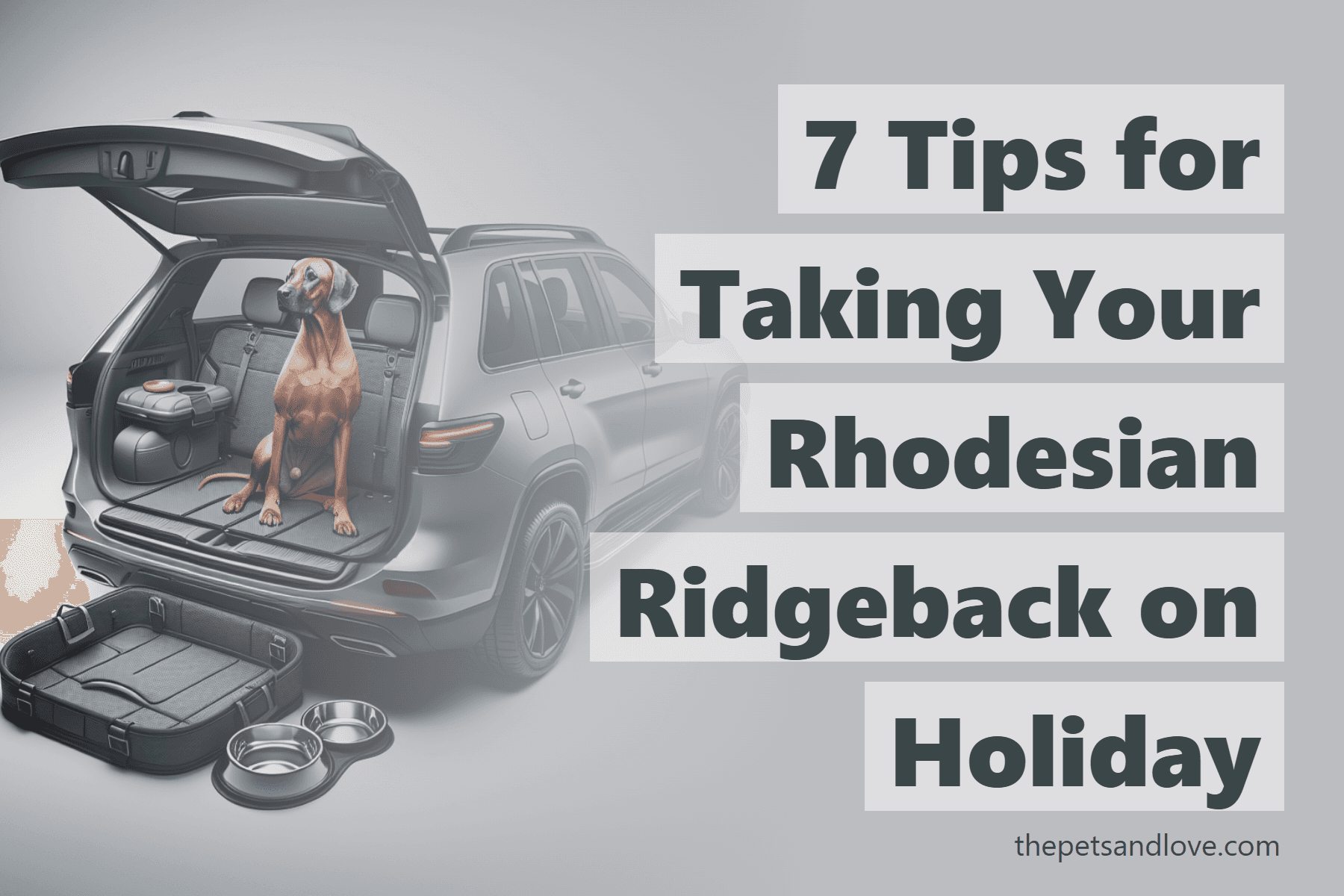
Dreaming about hitting the road with your Rhodesian Ridgeback riding shotgun? You're not alone — and the good news is it's absolutely doable.
These dogs are athletic, loyal, and happiest when they're glued to their people. Bringing yours along can genuinely make the trip better.
But here's the catch: traveling with a big, powerful, energetic breed takes a little extra prep. Skip that prep and your dream road trip turns into a stressful scramble.
So in this guide, you'll get the exact travel playbook — car trips, hotels, gear that actually earns its space, and a straight-talking take on flying. Let's get you both packed and ready.
Let's start with the easiest way to travel: the car.
Traveling by Car with Your Ridgeback
Car trips are hands-down the simplest way to travel with a Ridgeback. Your dog stays close, and you control the schedule.
But long drives can be tough on any dog — especially a big one who'd rather be running. Here's how to smooth it out.
- Start small — do short practice rides before the big trip
- Walk them first to burn energy and let them potty
- Feed a light meal to avoid motion sickness
- Plan pit stops every 2–3 hours for water and a stretch
- Secure them with a crash-tested crate, harness, or dog guard
- Leave a big dog loose in the car
- Leave them in a parked car without shade and airflow
Here's the one that trips people up most: securing your dog.
Ridgebacks are strong and confident. An unsecured one can — and will — climb into the front seat mid-drive. That's dangerous for you both.
Now, about the gear that actually earns its place in your car.
Gear That Makes Travel Easier
Over years of road trips, a few accessories have proven worth every penny — especially with a Ridgeback's size, strength, and shedding in mind.
Seat Cover
A waterproof, non-slip cover (we like the Knines) shrugs off muddy paws and endless fur, and wipes clean fast.
Cargo Liner
If your dog rides in the trunk, a fitted liner like the Arf Pets protects your car and stays put — no sliding.
Pet Barrier
A mesh or steel barrier between the seats keeps a front-seat explorer where they belong: in the back.
No-Pull Harness
A strong harness gives you real control getting in and out of the car and on roadside walks.
Travel Bag
One bag for food, bowls, and all the little extras means nothing gets forgotten at home.
Portable Water Bottle
A combo bottle that holds food and water with built-in bowls is a genuine space saver on the road.
“Hydration matters most on the road — a collapsible bowl or travel bottle is a lifesaver every single stop.”
Made it to your destination? Let's talk hotels.
Staying in a Hotel with Your Ridgeback
Hotels can feel intimidating with a big dog in tow. But with a little prep, they're very manageable.
The secret is doing your homework before you arrive — not scrambling at check-in.
Your hotel game plan
- Call ahead to confirmEven hotels listed as “pet-friendly” online can have size limits or fees. A quick call saves a nasty surprise at the desk.
- Request a ground-floor roomLate-night and early-morning potty breaks are far easier without an elevator ride.
- Crate train beforehandMany hotels require dogs to be crated when left alone. Make sure the crate already feels like a safe space.
- Bring comforts from homeTheir bed, a familiar blanket, and a favorite toy cut down on anxiety in a strange room.
- Cover the furnitureA spare blanket protects hotel beds and couches from fur, drool, and paw prints.
- Stick to the routineKeep feeding and potty times consistent — familiarity helps your dog settle fast.
One last mode of travel deserves a straight answer.
A Quick Note on Flying
Flying with a Ridgeback is possible — but it's a whole different ballgame.
Most airlines require large dogs to fly in the cargo hold, and that isn't a great fit for every dog. It can be stressful, and some breeds and individuals tolerate it far better than others.
Before you pull out of the driveway, run this quick gut-check.
Final Checks Before You Go
When it comes down to it, your dog's comfort and safety matter just as much as yours.
Before every trip, ask yourself three simple questions.
- Are they safely restrained?
- Do they have access to water and regular bathroom breaks?
- Are they comfortable and calm?
If the answer is yes across the board, you're all set for a great adventure together.
We've had some fantastic road trips with our Ridgeback, and if you're on the fence about bringing yours — go for it. Just be prepared, stay flexible, and enjoy the ride.
Frequently Asked Questions
Yes, most do well once they’re used to the car. Build up with short practice rides, feed lightly beforehand, and stop every 2–3 hours for water, a potty break, and a stretch.
Use a crash-tested crate, a sturdy harness clipped to a seatbelt anchor, or a dog guard. Ridgebacks are strong enough to climb into the front seat if left loose, which is unsafe for everyone.
A waterproof seat cover or cargo liner, a no-pull harness, a travel bag for food and bowls, a portable water bottle, and comforts from home like their bed and a favorite toy.
Don’t rely on the online listing alone. Call ahead to confirm size limits, fees, and crate rules, and ask for a ground-floor room to make bathroom breaks easier.
It helps a lot. Many hotels require dogs to be crated when left alone, so your Ridgeback should already see the crate as a safe, familiar space before you travel.
It can be, but most airlines require large dogs to travel in the cargo hold, which not every dog tolerates well. Research the airline’s policy and check with your vet before booking. For many owners, driving is the safer, calmer choice.
Feed a small, light meal before you leave rather than a full one, take a walk first, and keep the car cool and well-ventilated. Short practice drives also help their body adjust to the motion.

Sviatoslav Oleksiv founded The Pets and Love in 2019. A lifelong pet owner and Rhodesian Ridgeback enthusiast, he writes and edits our guides to help fellow pet parents give their animals the best care.
Every guide follows our editorial standards. This article is for informational purposes only and is not a substitute for professional advice — always consult a licensed veterinarian about your pet's health.