7 things to know before owning an English Foxhound
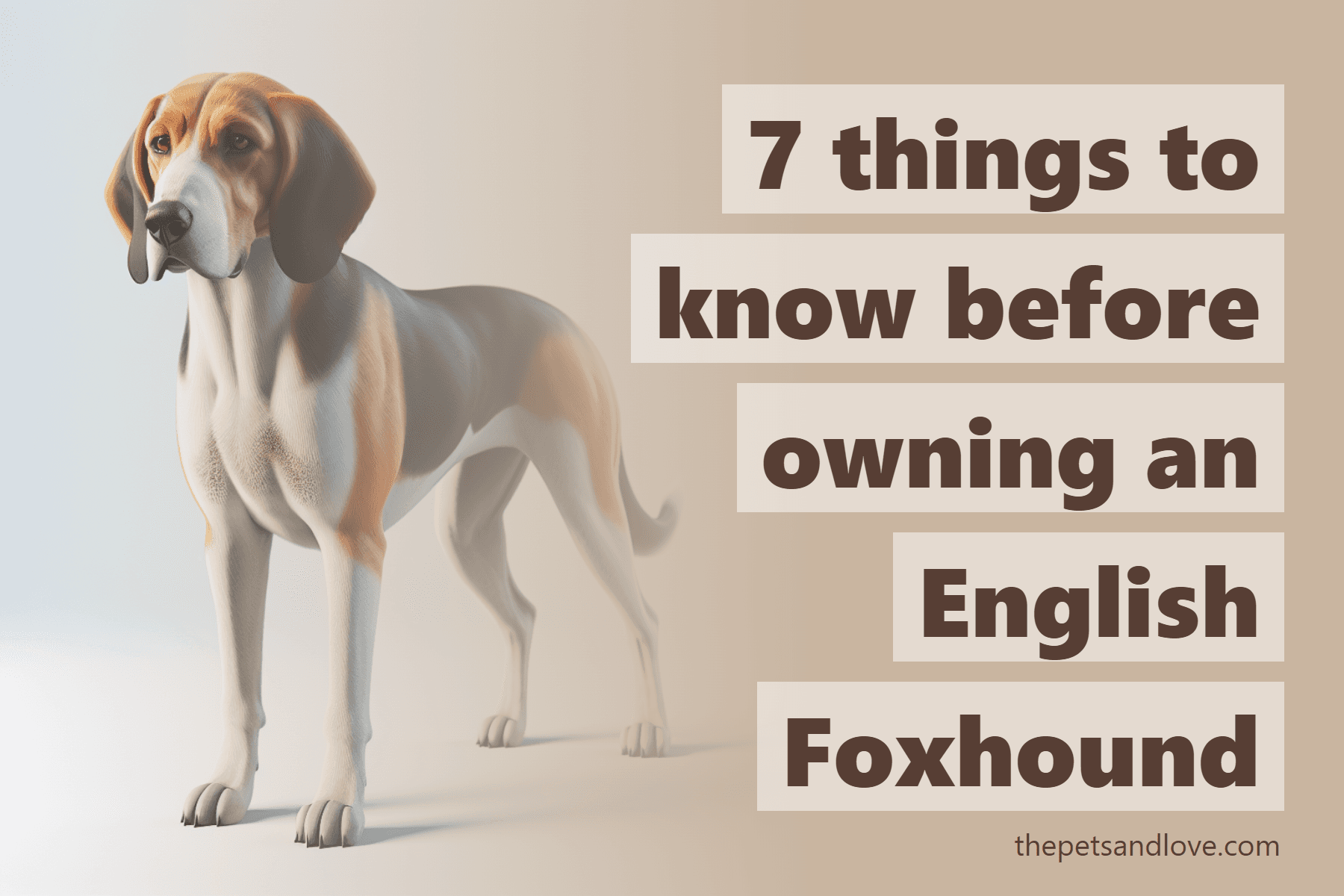
Picture a dog built for stamina, speed, and following a scent across miles of open countryside. That's the English Foxhound — and it's the exact opposite of a couch-loving lapdog.
If you're drawn to their athletic good looks and easygoing charm, we get it. They're gorgeous, friendly, and full of personality.
But here's the honest truth: this is a working hound at heart, and life with one is a whole different ballgame.
In this guide, you'll learn exactly what it's like to live with an English Foxhound — the exercise, the noise, the grooming, the costs — so you can decide if you're the right match before you commit.
| Category | Rating |
|---|---|
| Friendliness | |
| Exercise Needs | |
| First-Timer Friendly | |
| Grooming | |
| Quietness |
Let's start with what a typical day actually looks like.
What It's Like to Live With an English Foxhound
English Foxhounds are incredibly friendly, social dogs. They love being around people and other dogs — and they genuinely struggle when left alone.
At home, they're affectionate, playful, and total goofballs. But make no mistake:
They're also loud, strong-willed, and bursting with energy.
“They were bred to follow scents for miles, so their noses are always 'on.'”
Here's where that becomes a real challenge:
Off-leash walks can be risky. If your Foxhound catches an interesting scent, they're gone — deaf to your calls and locked onto the trail.
That's why a secure yard and a rock-solid recall matter so much. And recall, with this breed, takes months of patient, consistent training.
So who should think twice about this breed?
Why They're Not Ideal for First-Time Owners
We'll be straight with you: we wouldn't recommend an English Foxhound as a first dog.
They need someone who understands how to channel high energy and hardwired hunting instincts.
Without enough exercise and structure, the results are predictable:
- Give them a job, exercise, and clear leadership
- Stay consistent and patient through the stubborn phases
- Leave them under-exercised and bored
- Expect quick obedience without months of training
Here's the good news: they are trainable — smart and eager, even.
The catch? They're also stubborn. You'll need patience, leadership, and a good sense of humor to bring out their best.
Now, the flip side — the homes where they truly shine.
A Great Fit for Active Homes
These dogs thrive where there's space to roam and someone around most of the day.
They're happiest with other dogs, or in a busy, always-moving family.
Active adults
ExcellentLong hikes and runs make them the ideal partner.
Older kids
GreatPlayful and gentle, but boisterous — supervise the fun.
Toddlers
With careTheir size and enthusiasm can overwhelm very young children.
Other dogs
ExcellentTrue pack animals — they love canine company.
Cats & small pets
RiskyStrong prey drive that is very hard to train out.
Apartment dwellers
PoorThey need room to run, not four walls.
Good news on the grooming front.
Grooming and Shedding
Their short, weather-resistant coat is refreshingly low-maintenance. A weekly brush does the trick.
But there's a catch:
They do shed. Not excessively — but enough that you'll spot hair on your floors and furniture.
What this means in practice: if allergies are a concern in your household, this isn't the breed for you.
How long will you have together — and what to watch for.
Health and Lifespan
English Foxhounds are generally healthy, hardy dogs and often live 10–12 years.
Like every breed, they carry a few potential concerns worth knowing about.
Kidney issues
Occasionally seen in the breed — regular vet checks help catch problems early.
Arthritis
Common in active, athletic dogs as they age. Keeping them lean protects their joints.
Congenital deafness
Present in some hounds. Ask breeders about hearing testing.
Weight management
Quality food and steady exercise are the simplest defense against most issues.
This next part is the biggest deal-breaker for many people.
Living Situation: Space and Company Needed
Let's be blunt: this is not an apartment dog. Period.
Foxhounds need room to run and play — ideally a large, securely fenced yard.
They're pack animals at heart, so they do best with canine company and hate being left alone for long stretches.
And now, the noise.
Barking and Vocalization
Foxhounds are vocal — and it's literally in the job description.
They were bred to bay and alert the pack the moment they picked up a scent.
So expect barking, howling, and plenty of "talking" to you, to the neighbors, and to the world in general.
When does it get worse? When they're bored or under-stimulated.
Quick poll
Could you live with a dog that bays and howls?
Let's talk money.
Cost of Ownership
An English Foxhound puppy typically costs between £800 and £2,000.
But the purchase price is only the beginning.
Can you guess?
What's the real monthly cost after you bring one home?
Annual Cost Breakdown
| Expense | Annual Cost |
|---|---|
| Quality food | £40–60/mo |
| Pet insurance | £20–35/mo |
| Routine vet & preventatives | £15–25/mo |
| Durable toys & gear | £10–15/mo |
| Typical ongoing cost | ~£100+/mo |
Quick myth-busting before you decide.
Common Myths, Busted
That relaxed look is deceptive. They are high-energy athletes who need serious daily exercise to be content.
A yard helps, but it is not a substitute for long walks, runs, and mental stimulation. Foxhounds need active engagement, not just space.
You can manage it, but you rarely eliminate it. Their instinct to chase scents and small animals is deeply hardwired.
Frequently Asked Questions
Generally, no. Their high energy, strong prey drive, and stubborn streak make them best suited to experienced owners who can provide structure, exercise, and consistent training.
Not long. They are pack animals that dislike solitude and can become destructive or vocal when bored. They do best in homes where someone is around most of the day, ideally with another dog for company.
Yes. They were bred to bay and howl to alert the pack, and they are naturally vocal — especially when under-stimulated. If you need a quiet dog, this breed will test your patience.
They are friendly and playful with kids, though their size and enthusiasm can overwhelm very young children. Always supervise playtime and teach both dog and child to interact respectfully.
They love other dogs — the pack instinct runs deep. Cats and small pets are a different story, thanks to a strong prey drive that is hard to train out. Avoid mixing them unless the dog was raised with smaller animals.
It is not recommended. They need room to run and a securely fenced yard. Apartment life rarely gives them the space or exercise they require to stay happy and well-behaved.
For most owners, it is the combination of relentless exercise needs, the strong nose that makes off-leash freedom risky, and the noise. Meet those demands and you get a loyal, fun-loving companion.

Sviatoslav Oleksiv founded The Pets and Love in 2019. A lifelong pet owner and Rhodesian Ridgeback enthusiast, he writes and edits our guides to help fellow pet parents give their animals the best care.
Every guide follows our editorial standards. This article is for informational purposes only and is not a substitute for professional advice — always consult a licensed veterinarian about your pet's health.