5 essentials to raise a healthy Rhodesian Ridgeback puppy
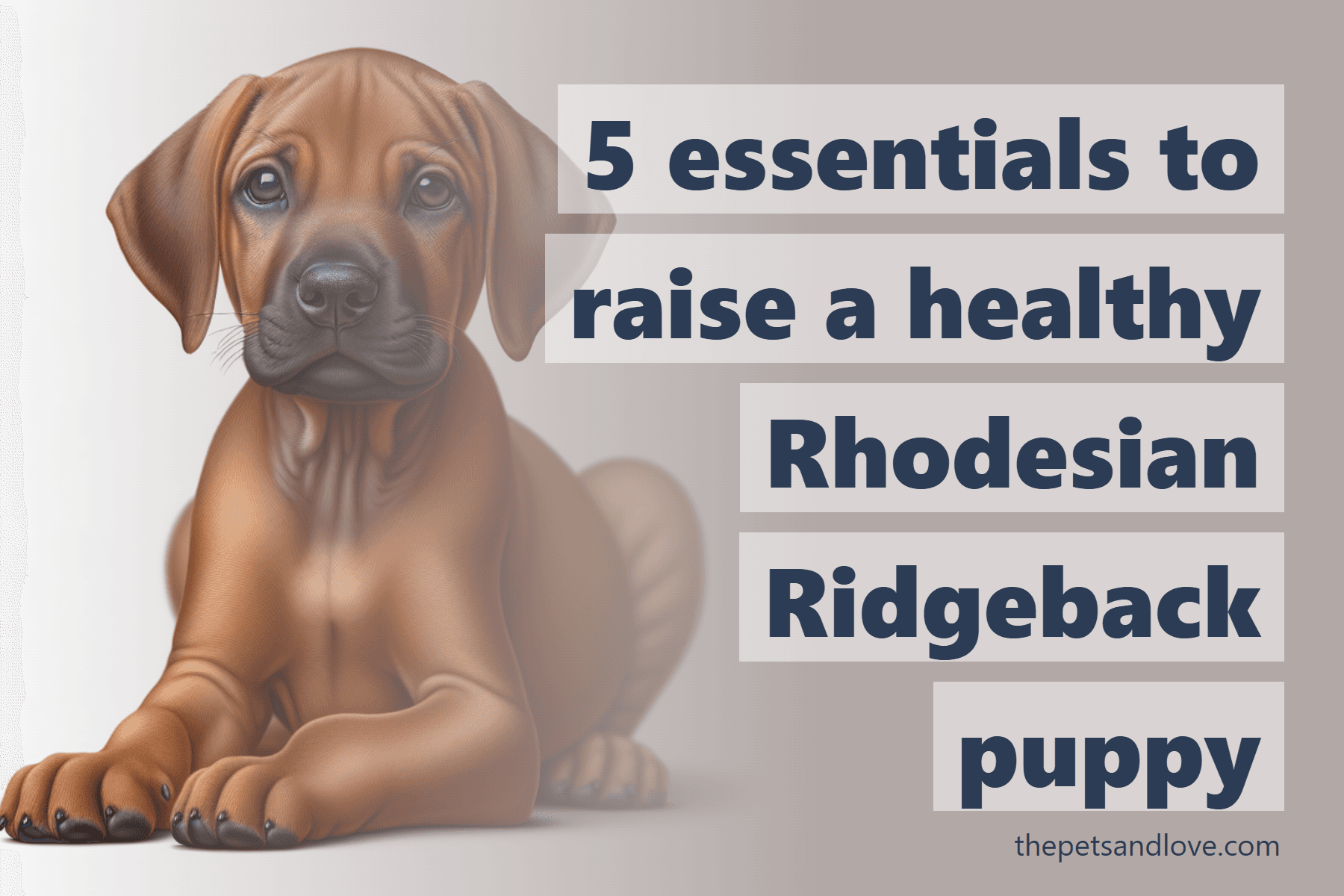
Bringing home a Rhodesian Ridgeback puppy is thrilling — and, let's be honest, a little terrifying.
That fluffy little bundle is going to grow into a 50kg-plus powerhouse with a mind of its own.
Here's the good news: what you do in that first year decides almost everything about the dog you'll live with for the next decade.
I've raised Ridgeback pups myself. Below is exactly what worked, what didn't, and the essentials no one warns you about until it's too late.
“A 50kg dog who doesn't listen isn't a discipline problem — it's a safety problem.”
Start With Smart Prep
Before your pup even walks through the door, set the stage for success.
You'll need more than a bag of food and a cute collar. Here's what I always have ready and waiting.
Crate or Playpen
Your best friend for house training and giving an overtired puppy safe downtime.
Sturdy Bowls
Go big. These dogs grow fast, and flimsy bowls get chewed or flipped.
Tough Toys
Ridgebacks are serious power chewers. Kong-style toys survive; cheap plush ones vanish.
Healthy Treats
For training and bonding. Keep them small and use them with intention.
A Quality Bed
Supports growing joints. Bonus points if it is machine-washable.
Harness & Leash
Start with a harness — it is far safer on the neck while they learn to walk.
Don't forget the grooming basics either: nail clippers, a brush, a gentle puppy shampoo, and dog-safe toothpaste.
Get all of this sorted before pickup day. Trust me — you won't want to be online-shopping while a puppy chews your baseboards.
Prep done? Now for the part that shapes everything.
Training: Start From Day One
Here's the kicker: your puppy is never "too young to get it."
They're learning from the very first hour home — the only question is whether they're learning what you want.
Ridgebacks are smart, but they're also famously independent. That combination means early, consistent training isn't optional.
Nail these basics first:
- Sit
- Stay
- Wait
- Come (this one is non-negotiable for a big dog)
- A clear "No" and a release word like "Okay"
- Don’t rely on treats alone — your tone and timing matter more
- Don’t train in long, boring marathon sessions
Keep sessions short, upbeat, and consistent. Five focused minutes beats thirty distracted ones.
And if you hit a wall? Bring in a professional trainer early. It's money well spent — not an admission of failure.
A well-trained pup still needs the right fuel.
Feeding a Growing Ridgeback
These dogs have big appetites. But when it comes to a growing puppy, bigger portions are not better.
Overfeeding a fast-growing breed can push joints too hard and set the stage for weight problems later.
60 cal
Rough daily target per kg of body weight while growing
You can go with a high-quality puppy kibble — check the bag's feeding chart — or prepare balanced home-cooked meals.
If you cook at home, aim for roughly this balance:
- 50% lean meat — beef, turkey, or chicken
- Some fish for vitamin D
- A little egg or plain yogurt
- Cooked starchy veg like sweet potato or squash
- Fruits and leafy greens
- Balanced supplements (calcium, vitamin E, iodine)
My two go-to homemade recipes are a hearty beef stew and a turkey-veggie rice. Both batch well and keep in the fridge for a few days.
Can you guess?
Not sure if your puppy is the right weight?
Fed and trained. Now let's keep them clean and healthy.
Grooming & Hygiene
Good news: that sleek short coat is low-maintenance.
You still can't ignore grooming entirely, though — a few small routines prevent big problems.
Your simple Ridgeback grooming rhythm
- Brush once or twice a weekLifts loose hair and keeps the coat shiny.
- Bathe every 4–6 weeksUse a gentle shampoo — over-bathing dries out their skin.
- Trim nails monthlyLong nails change how they walk and stress the joints.
- Check ears weeklyLook for redness, odor, or excess wax.
- Brush teeth early and oftenStart young and it becomes a habit instead of a battle.
The First Year, Stage by Stage
You might be wondering what actually changes month to month. Here's the rough arc most Ridgeback owners recognize.
Weeks 8–12
Settling in
House training, crate comfort, and building trust. Everything is new and a little overwhelming for them — keep it calm and predictable.
3–6 months
Teething & socialization
Expect serious chewing. Expose them to new people, dogs, sounds, and places now — this window shapes their adult confidence.
6–12 months
Adolescence
The "teenager" phase. Energy spikes and boundaries get tested. Consistency here separates a calm adult from a chaotic one.
Final Tips From Experience
A few hard-won lessons that make the whole year smoother.
Pros
Set yourself up to win
- Take time off work when the pup first arrives
- Puppy-proof everything — they chew literally everything
- Socialize early and often
- Be patient and build genuine trust
Cons
Skip these and regret it
- Leaving a new pup alone too soon
- Letting stubbornness slide because it’s easier
- Assuming the short coat means zero grooming
- Free-feeding a fast-growing joint-sensitive breed
Frequently Asked Questions
They can be, but they’re a lot of dog. Their size, strength, and independent streak reward owners who commit to early, consistent training. If you’re a first-timer, lean on a good trainer and start the basics from day one.
Puppies need controlled activity, not marathons — too much high-impact exercise can stress growing joints. Short walks, play, and mental games are ideal. Their real endurance kicks in as they mature.
Not usually. They tend to be fairly quiet and alert rather than yappy, though they’ll certainly let you know when something is up.
Many are wonderful with kids they’re raised alongside, thanks to their loyal nature. But given their size, always supervise interactions and teach both dog and child good boundaries.
Big. Adults commonly reach 50kg or more, which is exactly why early training and joint-friendly feeding matter so much in that first year.
Most start settling around 18 months to 2 years. The adolescent stretch from 6–12 months is usually the wildest — stay consistent and it passes.
Younger puppies do best on three or four smaller meals a day, tapering toward two meals as they grow. Follow your food’s guidance and adjust based on body condition, not just the puppy’s enthusiasm.
Quick poll
What’s your biggest worry about raising a Ridgeback puppy?
Got questions of your own? Drop them in the comments — we've been there, and we're always happy to share what worked (and what definitely didn't).