5 underwater creatures with extraordinary vision
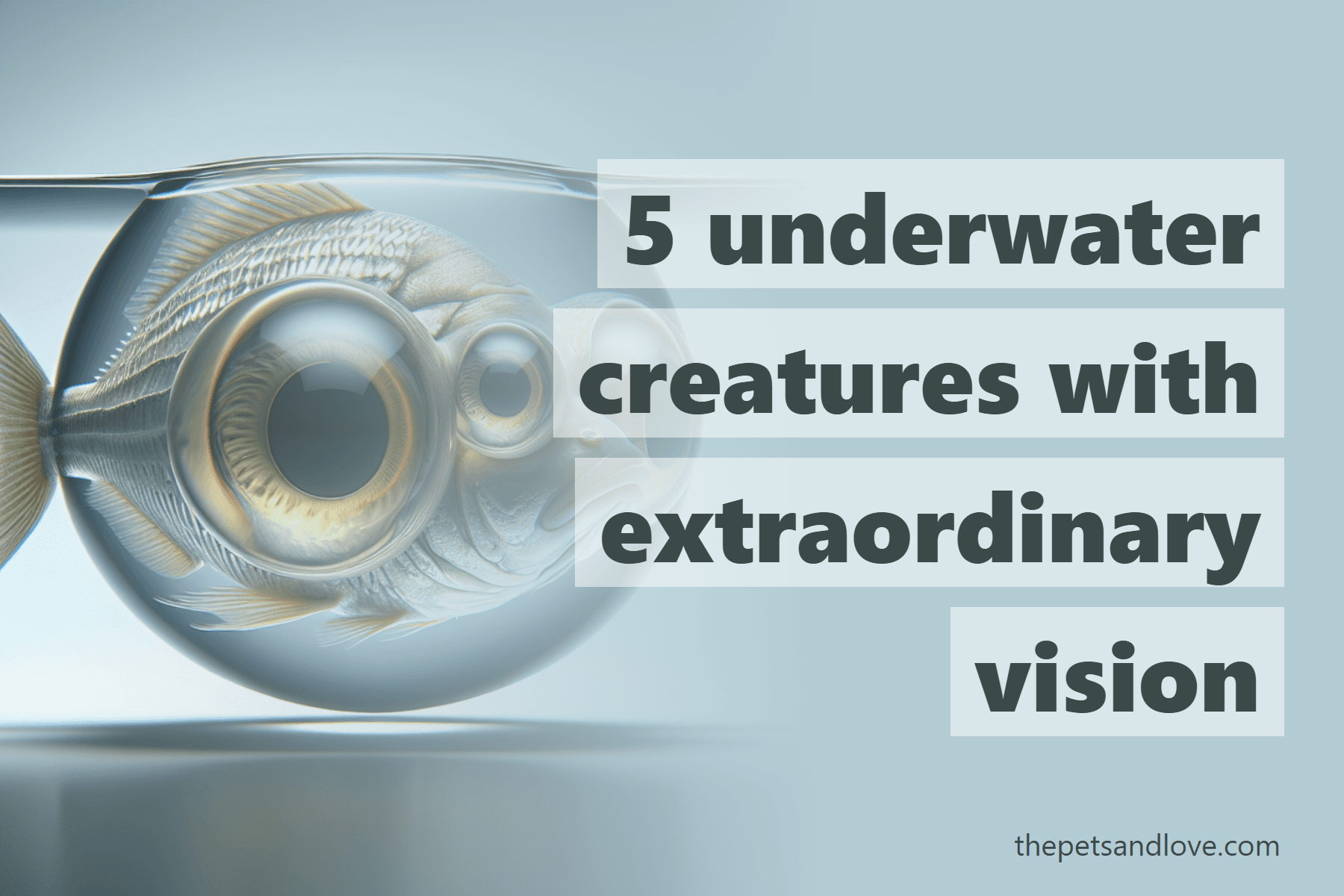
Here's a question that sounds silly until it isn't: can fish see the water they swim in?
Stop and think about the air around you right now. You don't "see" it, do you? You move through it all day without noticing a thing.
Fish are in exactly the same boat — except their "air" happens to be water.
Below, we'll unpack why fish tune out water, whether they can see air, how sharp their underwater vision really is, and five sea creatures whose eyes will genuinely blow your mind.
The Short Answer
No — fish don't see water. At least not the way you might picture it.
Their brains, just like ours, are wired to filter out anything constant and unchanging in the environment.
It's a bit like your own nose. It's always sitting right there in your field of vision, but your brain quietly edits it out until the moment you focus on it.
“Water is the background for fish. Their brains simply don’t bother highlighting it.”
So why exactly does the brain do this?
Why Fish Don’t See Water
It all comes down to survival and efficiency.
A fish's brain is busy tracking the things that actually matter — predators, prey, and obstacles in the way. The water itself? Not worth the processing power.
Over millions of years, fish brains learned to tune out water because it's always there and barely changes. Scientists have a name for this: environmental noise.
Can Fish See Air?
Nope. And here's the twist: neither can you.
Air has such a low refractive index that it's essentially invisible to any eye — human or fish.
So even when a fish pokes its head above the surface, it still doesn't "see" air the way you might imagine.
Now here's where it gets genuinely interesting.
How Well Fish See Underwater
You already know the drill: dive in without goggles and everything turns into a blurry mess.
That's because your eyes are flat, and they simply don't play nicely with the density of water.
Fish don't have that problem. Their eyes are rounder than ours, which bends incoming light far more effectively underwater.
The payoff? A clear, sharp picture of a world we can only ever squint at.
Can you guess?
Why do humans need goggles underwater but fish don’t?
Underwater Creatures With Super Vision
Some sea creatures don't just cope underwater — they turn vision into a superpower.
Here are five of the most jaw-dropping eyes in the ocean.
🐙 Octopus
Their eyes are astonishingly complex — arguably more so than ours. More nerve endings, and light-detecting abilities we’re only beginning to understand.
👁️ Barreleye Fish
Deep-sea dwellers built for the dark. Their highly specialized eyes are made to catch the faintest glimmers of light in near-total blackness.
🦐 Mantis Shrimp
The undisputed rockstars of vision — 12 color receptors to our 3, with each eye moving independently. Their color world is genuinely out of this reality.
🐟 Four-Eyed Fish
The “Cuatro Ojos” doesn’t really have four eyes. Instead, each eye is split in half so it can watch above and below the surface at once. Clever.
12
Color receptors in a mantis shrimp’s eyes — humans have just 3
Quick poll
Which underwater eye impresses you most?
Frequently Asked Questions
Not really. Just like you don’t see the air around you, a fish’s brain filters out the constant, unchanging water. It focuses on what matters for survival instead.
Many do, yes. Their round eyes are adapted to bend light underwater, giving them a much sharper view of their environment than a human diving without goggles.
Some deep-sea species, like the barreleye fish, have highly specialized eyes designed to detect faint light in near-total darkness. Not all fish are equally suited to the dark, though.
The mantis shrimp is a strong contender. With 12 color receptors and independently moving eyes, its color perception far exceeds our own three-receptor vision.
Our eyes are flat and don’t refract light well in water. Goggles create a pocket of air in front of the eye, letting light focus properly again.

Sviatoslav Oleksiv founded The Pets and Love in 2019. A lifelong pet owner and Rhodesian Ridgeback enthusiast, he writes and edits our guides to help fellow pet parents give their animals the best care.
Every guide follows our editorial standards. This article is for informational purposes only and is not a substitute for professional advice — always consult a licensed veterinarian about your pet's health.