Is the Balinese Cat Hypoallergenic? Advice for Allergy-Suffering Families
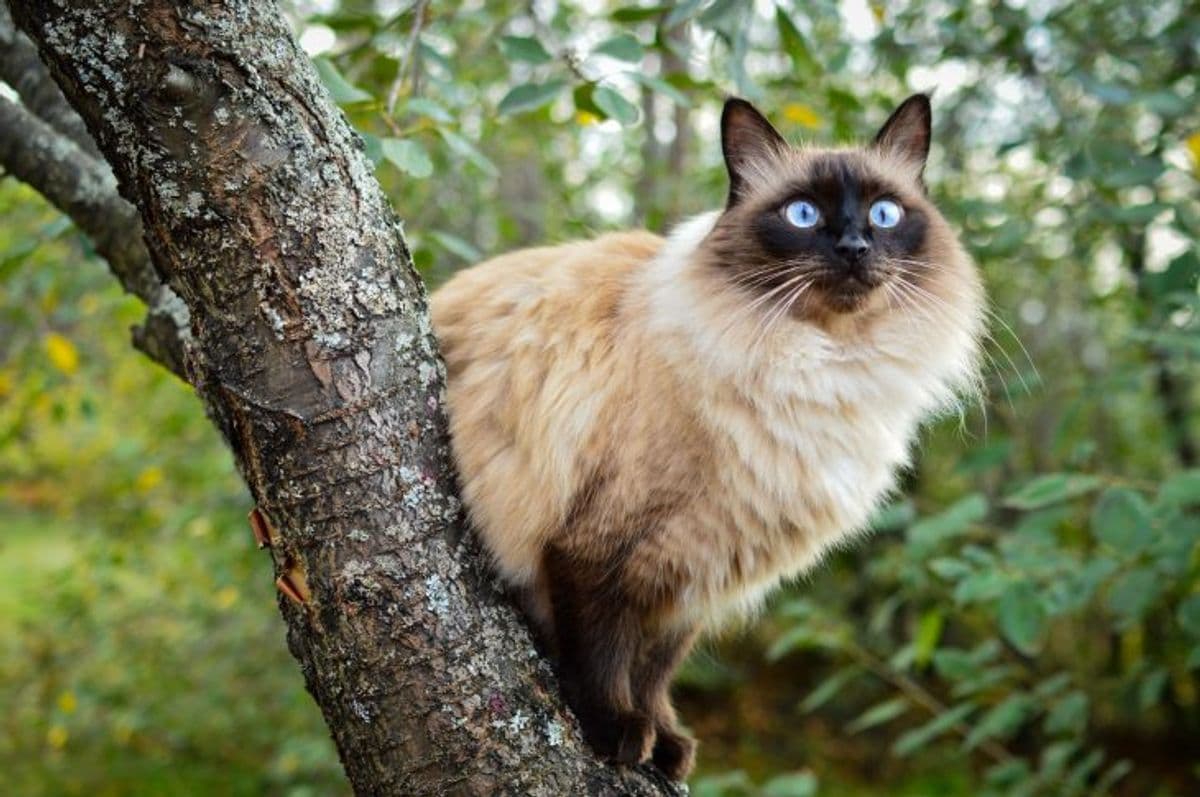
Thinking about a Balinese cat but scared your allergies will make life miserable? You're not alone — and here's the good news.
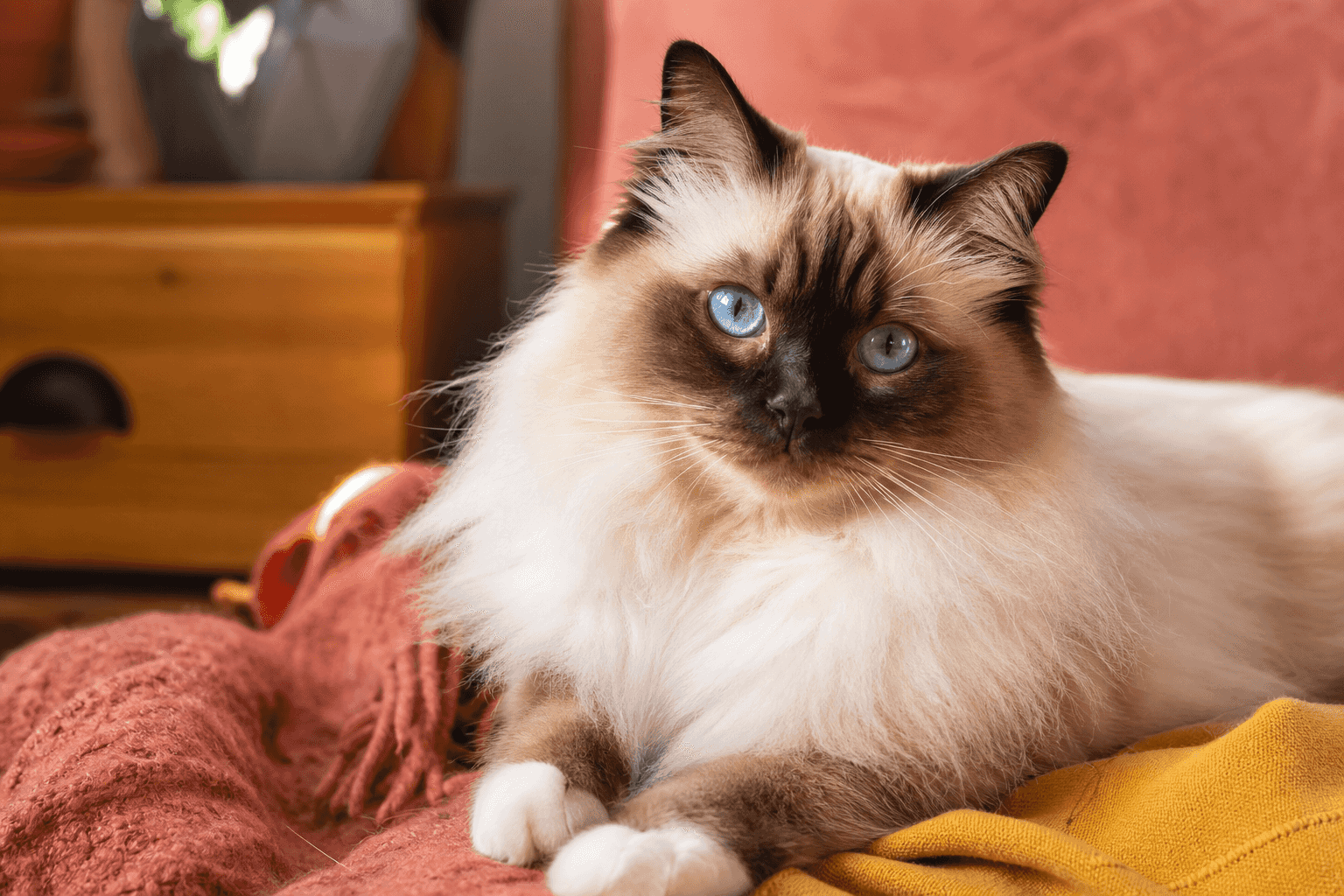
These silky, blue-eyed charmers are often called "hypoallergenic." That label isn't quite accurate, but there's real truth hiding underneath it.
In this guide, you'll learn exactly why Balinese cats may be easier on allergies, how to test your own reaction before you commit, and the practical habits that make living together actually work.
Let's start with the question everyone asks first.
Are Balinese Cats Hypoallergenic?
Short answer: maybe.
There's no definitive scientific proof that Balinese cats are hypoallergenic. But many allergy sufferers genuinely report fewer symptoms around them.
So what's behind that? Two things.
Less Fel d 1
Balinese are said to produce less Fel d 1 — the protein in cat saliva, dander, and skin oils that triggers most cat allergies.
No undercoat
Without a thick undercoat, they shed less and spread fewer allergens around your home.
But here's the catch: allergen levels vary from cat to cat, even within the same breed.
Females and neutered males tend to produce less Fel d 1 than intact males. So while a Balinese might be gentler on your allergies, there's no guarantee.
Not quite. They may produce less of the main allergen, but no cat is fully hypoallergenic. Individual cats vary a lot.
Not necessarily. It’s the Fel d 1 protein — not hair length — that drives most reactions. The Balinese lacks an undercoat, so it can actually be easier than some short-haired breeds.
Allergies aside, let's talk about who these cats actually are.
Meet the Balinese: A Big Personality in a Silky Package
Beyond the allergy talk, Balinese cats are total showstoppers.
They're smart, playful, and endlessly affectionate. If you want a cat who follows you around, talks your ear off, and cuddles like it's their full-time job — this might be your feline soulmate.
“They're basically little comedians — always up for a game of fetch or a climb to the highest shelf.”
Fair warning: they're vocal. We're talking full-on conversations here.
And yes — maybe pack away the breakables, because "highest shelf" is a genuine goal for them.
Families with kids
GreatSocial, patient, and love being part of the action.
Other cats
GoodUsually friendly once they’ve warmed up.
Dogs
With timeMay be startled at first, but most come around.
People who want quiet
Think twiceThese cats are chatty and love conversation.
Now, here's how to actually make it work with allergies.
Living With Allergies and a Balinese Cat
If you've got mild to moderate cat allergies, there are ways to make it work.
Here's what has helped us and others in the community.
1. Spend Time With the Cat Before Adopting
This is the single most important step — don't skip it.
Before committing, find a breeder or shelter where you can spend 30–60 minutes with a Balinese.
2. Build Allergy-Friendly Habits
Small daily habits make a huge difference in how you feel.
- Wash your hands after every petting session
- Keep your clothes clean, especially after cuddling
- Redirect licking to head bumps — saliva is allergen-packed
- See an allergist about your triggers and immunotherapy
- Keep OTC antihistamines or nasal sprays on hand
- Try saline rinses or a neti pot to clear sinuses
- Let the cat lick your face or hands
- Ignore worsening symptoms and hope they fade
Next up: grooming, which does more for your allergies than you'd think.
Grooming and Care Tips
Balinese cats don't need as much grooming as some longhaired breeds. But regular care keeps allergens at bay.
The grooming routine that helps
- Brush weekly (or more)Ideally, have someone without allergies handle the brushing.
- Bathe about once a monthWarm water and a positive experience only — no cold shocks that make baths a battle.
- Add Omega-3s to their dietA healthier coat means less dander floating around.
- Ask your vet about allergen-reducing optionsSome medications may help, but only ever under veterinary advice — never on your own.
Finally, the cleaning routine that keeps your home breathable.
Clean, Clean, Clean
Your home is where allergens quietly build up. A consistent cleaning routine is your best defense.
- Run HEPA air purifiers in rooms your cat frequents
- Vacuum regularly with a HEPA-filter vacuum
- Dust with furniture spray to trap allergens, not scatter them
- Minimize upholstery, rugs, and heavy curtains
- Let the cat into your bedroom or onto your bed
Still have questions? Here are the ones people ask most.
Frequently Asked Questions
Not officially. There’s no solid research proving it. But they may produce less Fel d 1 and lack an undercoat, so many allergy sufferers do report milder symptoms around them.
Spend 30–60 minutes with a Balinese at a breeder or shelter. Snuggle, pet, even rub your face against the cat, and watch how your body reacts over the full visit. Bring allergy meds just in case.
Females and neutered males tend to produce less Fel d 1 than intact males, so they may be a gentler choice for allergy sufferers.
Less than many longhaired breeds, thanks to their lack of undercoat. Weekly brushing keeps loose hair and allergens under control.
Yes. They’re social and affectionate with families and usually get along with other cats and dogs once they’ve had time to warm up.
They can be. Balinese are famously chatty and love holding “conversations.” If you want a silent cat, this isn’t the breed for you.
Staying consistent. Grooming, cleaning, and hand-washing habits only work if you keep them up — but many owners find the routine easily worth it.