9 things to know before getting a Chihuahua
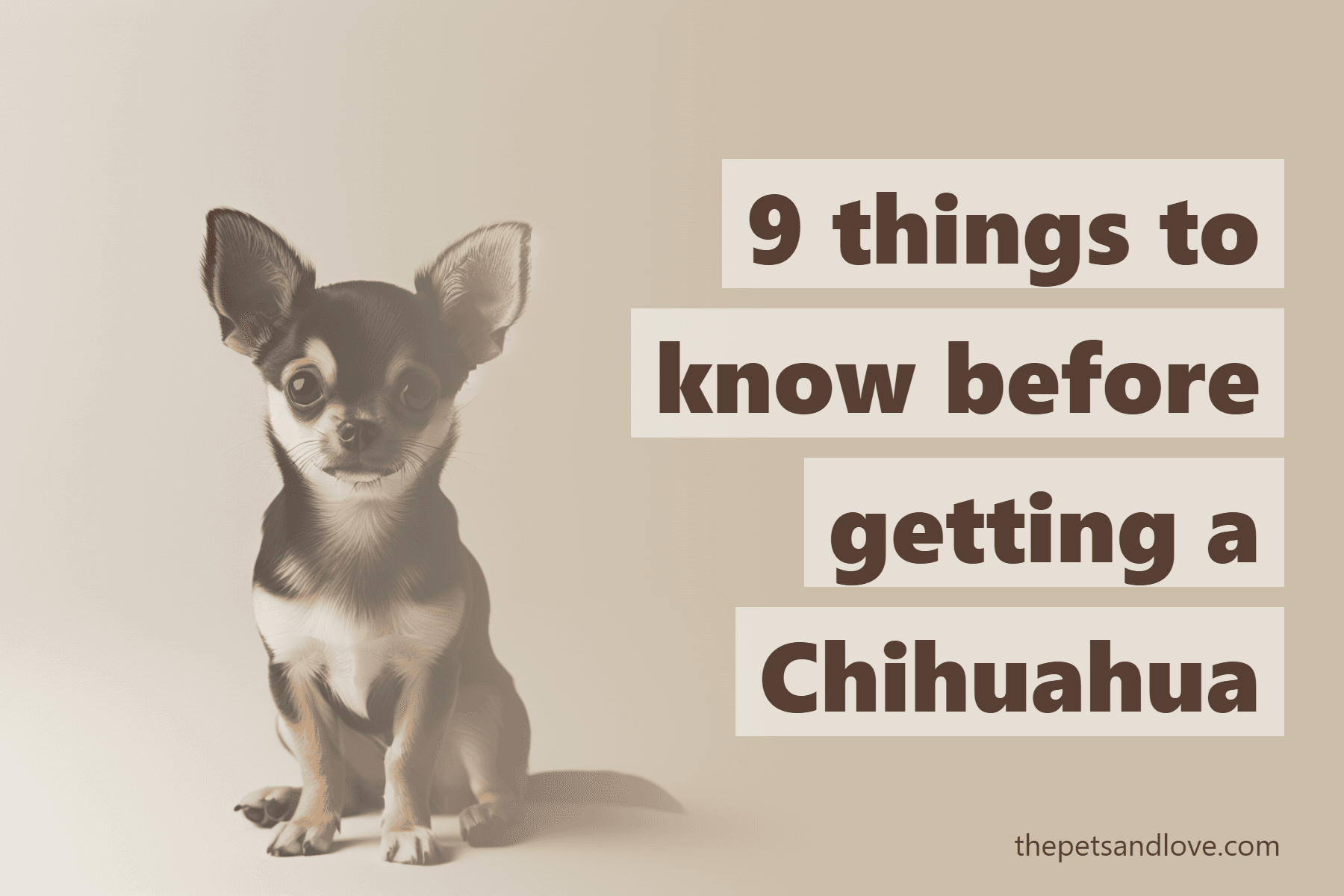
Thinking about getting a Chihuahua? You already know they’re adorable — but you want the honest truth before you commit.
Here it is: these tiny dogs pack a huge personality into a two-pound frame. Feisty, affectionate, and surprisingly athletic — but definitely not the right fit for everyone.
Below, you’ll get the real talk a friend would give you: what makes them special, the quirks nobody warns you about, and how to know if a Chihuahua truly matches your life.
What Makes Chihuahuas So Unique?
Chihuahuas are like Velcro. Once they bond with you, they’re glued to your side.
They love to cuddle, follow you room to room, and ride in your bag if you let them.
But don’t let the size fool you.
These little dogs have serious big-dog energy. I’ve watched Chihuahuas tackle agility courses, bark at dogs ten times their size, and strut around like they own the place.
“They’re smart, loyal, and full of character — but they come with a few quirks you’ll want to be ready for.”
Let’s get into those quirks — the good, the tricky, and the surprising.
7 Things You Should Know Before Bringing One Home
1. They’re total lovebugs — and they hate being alone
Chihuahuas thrive on companionship. It’s not a bonus for them — it’s a need.
If you work long hours and nobody’s home during the day, this may not be your breed.
These pups do best where someone’s around most of the time. Work from home or live with family? Perfect. If not, consider a breed that handles solitude better.
2. They get cold — like, really cold
Chihuahuas are not built for chilly weather. Their thin fur and tiny bodies offer almost no insulation.
So expect to invest in sweaters, blankets, and maybe even a heated bed when temperatures drop.
I’ve known Chihuahuas who flat-out refuse to step outside unless they’re bundled up. If you live somewhere cold, be ready to pamper your pup in winter.
3. Housebreaking can be tricky
Like many small breeds, Chihuahuas can be stubborn about potty training.
It’s not that they can’t learn — they’ve just got tiny bladders and big opinions.
Stick to a consistent routine, reward every success, and stay patient. Accidents are part of the process, not a sign of failure.
4. They’re fragile little things
You have to be genuinely careful with a Chihuahua.
I’ve seen one get injured just from jumping off a couch. They’re so small that even a minor bump can cause real harm.
Got toddlers or a busy household? Make sure everyone understands how delicate these pups are.
- Supervise interactions with young children
- Teach everyone to lift and hold gently
- Block access to high jumps like couches and beds
- Allow roughhousing or tossing them around
- Let them leap from your arms
5. Health-wise, they need monitoring
Here’s the good news: many Chihuahuas live long, happy lives — some up to 20 years.
But there’s a catch. They can be prone to certain issues that first-time owners often overlook.
Hypoglycemia
Low blood sugar, especially in puppies. Small, regular meals help keep energy stable.
Heart murmurs
Common in the breed and worth checking at routine vet visits.
Patellar luxation
A slipping kneecap that can affect small dogs. Watch for skipping or hopping steps.
Dental issues
Tiny mouths crowd easily. Regular dental care matters more than you’d expect.
6. Yes, they shed
Despite their size, Chihuahuas can shed more than you’d expect — especially the short-haired ones.
They are not hypoallergenic. Let’s clear that up now.
The upside? The fur is short and easy to clean up with regular vacuuming, and a simple brushing routine keeps things under control.
7. They think they’re giants
Chihuahuas are famously brave — sometimes to a fault.
They’ll bark at strangers, alert you to every sound, and “guard” the home like a dog five times their size.
So what does this mean for you? Early socialization is everything.
Introduce them to other dogs, new people, and unfamiliar situations while they’re young. Reward calm behavior consistently.
“A well-socialized Chihuahua is confident — not yappy.”
Most “aggression” is fear or under-socialization. A Chihuahua raised with gentle exposure to new things usually grows into a bold, secure little dog.
Small size makes training more important, not less. Untrained small dogs are often the barkiest and pushiest ones in the room.
They don’t need marathons, but they do need daily activity and mental stimulation to stay happy and calm.
So after all that — is a Chihuahua actually the right dog for you?
Is a Chihuahua the Right Dog for You?
Chihuahuas shine in the right home and struggle in the wrong one. Here’s how to tell which you are.
Pros
A Chihuahua fits you if…
- You want a small, deeply affectionate companion
- You’re home for most of the day
- You’re gentle and mindful about their physical safety
- You don’t mind some barking or light shedding
- You enjoy training and socializing a dog
- You prefer an indoorsy lifestyle
Cons
Maybe reconsider if…
- You’re out of the house long workdays
- Your home is loud, chaotic, or full of rough play
- You want a low-maintenance, hands-off pet
- You expect a hypoallergenic dog
- You’re not up for consistent potty training
Adults & seniors
GreatDevoted, low-space companions who love a calm routine.
Young kids
With careFragile bodies mean supervision and gentle-handling rules are a must.
Other dogs
With socializationThey’ll happily challenge bigger dogs, so early intros matter.
Apartments
GreatLittle outdoor exercise needed — just manage the barking.
Quick poll
What’s your biggest hesitation about getting a Chihuahua?
Getting Ready for Your New Pup
Good news: you don’t need a ton of space or gear to bring a Chihuahua home.
Let’s break down the essentials.
Chihuahua starter checklist
- The basicsQuality small-breed food, bowls, and a cozy, draft-free bed.
- Warm layersA sweater or two for cooler weather — this is a real need, not a costume.
- A potty planDecide on outdoor spots or indoor pads before day one, and stay consistent.
- A safe homeWatch for high drops they might leap from and small gaps they could slip through.
- A socialization schedulePlan gentle exposure to people, dogs, and new places early.
Week 1
Settling in
Keep things calm and quiet. Start a feeding and potty routine right away — predictability builds confidence.
Weeks 2–4
Bonding & basics
Begin gentle house training and short alone-time practice so they don’t become clingy.
Months 2–4
Socialization window
Introduce new people, friendly dogs, and everyday sounds. Reward calm behavior every time.
Months 4–12
Confidence & manners
Reinforce training, discourage nuisance barking, and keep vet checkups on schedule.
Frequently Asked Questions
They can be — as long as you’re home often and ready to be consistent with training and socialization. Their small size makes daily care easier, but their strong personality means structure matters.
Not long. A few hours at most for an adult, and even less for a puppy. They crave companionship and can develop anxiety or excessive barking when left alone for full workdays.
They can — they’re alert little watchdogs by nature. The good news is that early socialization and rewarding calm behavior dramatically reduces nuisance barking.
With care. They’re affectionate but fragile, so they do best with older, gentle kids. Young children need supervision and clear rules about gentle handling — no roughhousing.
They can be, especially when socialized young. Just know they’ll fearlessly challenge much bigger dogs, so early, supervised introductions are important for everyone’s safety.
For most owners, it’s the combination of potty training patience and their dislike of being alone. Both are manageable with a consistent routine and realistic expectations.
Many mellow out somewhat after their first year as adolescence fades, but expect a lively, spirited personality for life. Training and daily engagement help channel that energy.
Yes, in cold weather. Their thin coats and tiny bodies don’t hold heat well, so warm layers are practical protection — not just a fashion statement.