What You Should Know Before Buying an Arabian Horse
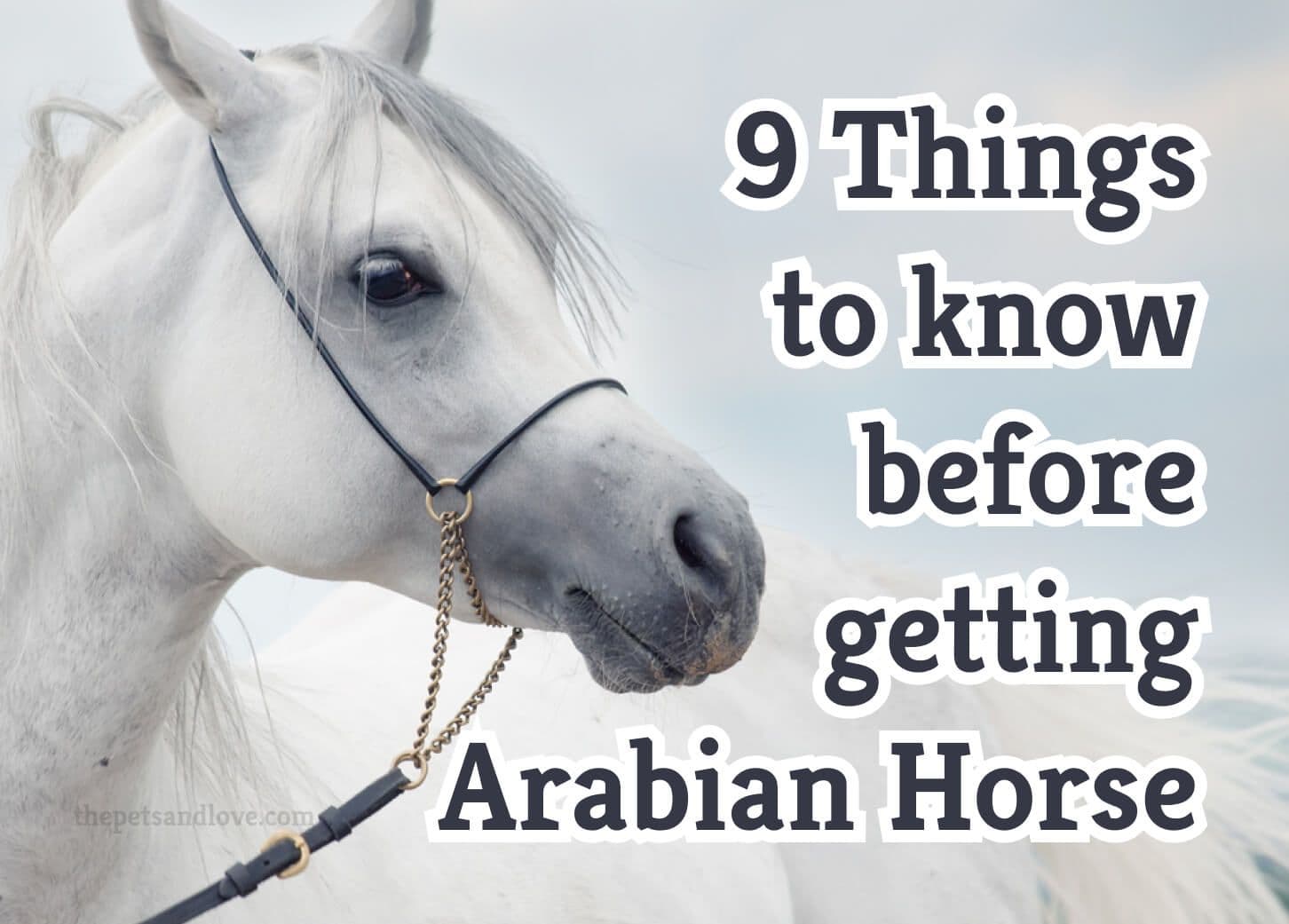
Thinking about bringing an Arabian horse into your life? Then let me tell you — you're in for something special.
These horses aren't just stunning to look at. They're clever, deeply loyal, and full of personality.
I've worked with a handful of Arabians over the years, and they're the kind of animal that stays in your heart long after you've stepped out of the saddle.
Here's everything I've learned about living with — and loving — an Arabian horse.
What Makes Arabian Horses So Special?
Arabians are one of the most recognizable horse breeds on the planet. Once you know what to look for, you'll spot one from a mile away.
That dished face, the high tail carriage, the proud arched neck, those big expressive eyes? Classic Arabian.
But here's the thing — it's not just about the looks.
Incredible Intelligence
They’re quick learners — sometimes too quick. They pick up bad habits as easily as good ones, so consistency is everything.
Loyalty & Affection
Treat them well and they bond with you deeply. Arabians don’t forget kindness — or unkindness.
Endurance & Stamina
Bred for desert travel, they still dominate endurance racing today.
Approachable Size
More compact than many breeds, which makes them less intimidating for newer riders.
“Arabians don't forget kindness. Or unkindness.”
So does all that intelligence make them a good fit for first-time owners?
Are Arabians Good for Beginners?
Yes — with a few caveats.
Arabians are often recommended for beginners thanks to their gentle, people-oriented nature.
But here's the catch: they're sensitive. They pick up on your mood, your body language, your energy.
Stay calm and confident, and they'll mirror it right back. Get nervous or inconsistent, and they'll feel that too.
So while they're beginner-friendly, they do best with someone willing to learn and grow alongside them.
But what about the kids?
Family-Friendly? Absolutely.
One of the things I love most about Arabians is how well they get along with children.
They're naturally gentle and curious. I've watched them interact calmly with even the littlest horse lovers.
Young kids
Great — with supervisionGentle and steady, but they’re still large animals. Never leave small children unsupervised.
Older children
ExcellentPatient and responsive — wonderful for kids learning to ride and handle horses.
First-time riders
With careTheir sensitivity means they thrive with calm, consistent handling.
Other horses
GreatHighly social — they love companionship and hate being alone.
Many Arabians even seem to understand when they need to be extra gentle. Just remember: supervision is always part of the picture.
A Horse With Feelings
Arabians are emotionally intelligent. Spirited and playful one moment, calm and cuddly the next.
But just like us, when they're hurting — physically or emotionally — their behavior changes.
A horse that suddenly turns withdrawn, anxious, or nippy is usually trying to tell you something's wrong.
Ready to build trust? Here's how to train one.
Training Tips for Arabians
Because they're so smart and so sensitive, Arabians need thoughtful, positive training.
What works best? Building trust and rewarding good behavior — consistently.
Think "partnership," not "control."
Five rules for training an Arabian
- Start with groundworkIt builds communication and mutual respect before you ever get in the saddle.
- Stay calm and clearThey mirror your energy, so keep yours steady.
- Reward and praiseThey genuinely love to please — lean into that.
- Never rushPush too hard too fast and they get overwhelmed.
- Keep it interestingEndless repetition bores them. Mix things up.
- Establish a consistent daily routine
- Reward good behavior right away
- Give them companionship and social time
- Use force or intimidation to get results
- Drill the same exercise until they’re bored stiff
Frequently Asked Questions
They can be, especially thanks to their gentle, people-oriented nature. But they’re sensitive, so they do best with an owner who’s calm, patient, and willing to learn alongside them.
Deeply. Treat an Arabian with kindness and consistency and it will form a strong, lasting attachment. They remember how they’re treated — for better or worse.
Generally yes. They tend to be gentle and curious with kids, and many seem to know when to be extra careful. Always supervise, though — they’re still large animals.
Not for long. They’re highly social and can become depressed in isolation. Companionship — from people or other horses — keeps them happy and healthy.
The breed carries a few inherited conditions, including SCID and Lavender Foal Syndrome. Buy from a breeder who tests for them, and keep up with regular vet checkups.
Not hard — but they demand thoughtfulness. They’re quick learners who pick up bad habits as fast as good ones, so consistency and positive reinforcement matter more than force ever will.